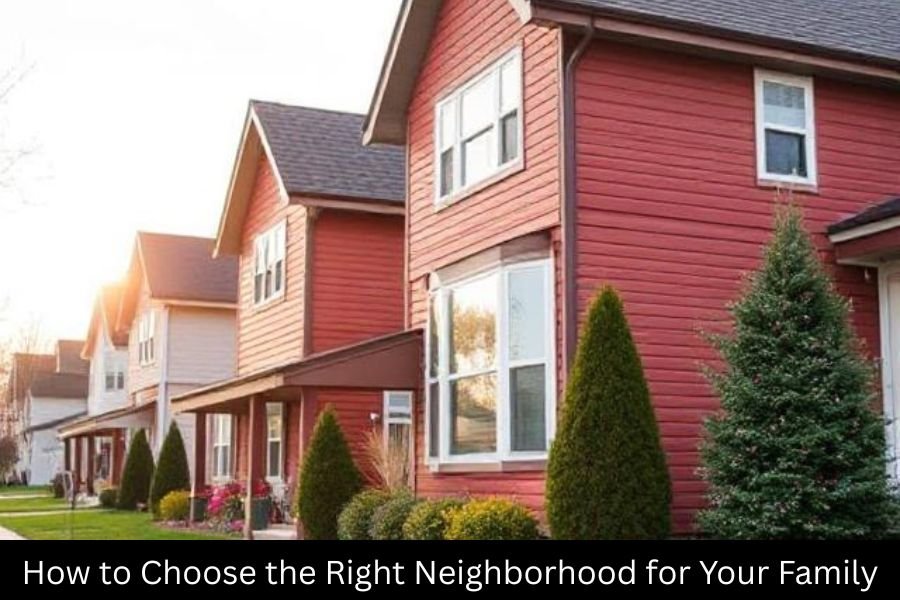
Choosing the right neighborhood for your family is one of the most important decisions you’ll ever make. It’s not just about finding a house—it’s about finding a place where your family can grow, feel safe, and truly feel at home. The right neighborhood supports your lifestyle, your children’s future, and your peace of mind.
So how do you know which neighborhood is the right one? Let’s break it down step by step in a simple, practical way.
Why Choosing the Right Neighborhood Matters
A home can be renovated, but a neighborhood cannot. Your surroundings affect:
- Your children’s education and friendships
- Daily routines and commute time
- Safety and overall happiness
- Long-term property value
Choosing wisely now can save you stress, time, and regret later.
Understand Your Family’s Needs First
Before researching locations, look inward.
Consider Your Family Size and Lifestyle
Ask yourself:
- Do you need space for kids to play?
- Are you planning to grow your family?
- Do you prefer a quiet or lively area?
A neighborhood that suits a couple may not suit a family with young children or elderly parents.
Safety Should Be a Top Priority
Check Crime Rates and Local Safety
Safety is non-negotiable when choosing a family-friendly neighborhood. Research crime statistics and speak to locals about how safe they feel walking around during the day and at night.
Look for Family-Friendly Safety Features
- Well-lit streets
- Gated communities or neighborhood watch programs
- Nearby police stations or emergency services
A safe neighborhood allows children to play freely and parents to breathe easier.
Evaluate School Quality and Education Options
Research Nearby Schools
Good schools add long-term value to both your child’s education and your property. Look into:
- School ratings and reviews
- Teacher-student ratios
- Extracurricular activities
Consider Daycare and Early Learning Centers
If you have young children, access to quality daycare and preschools is just as important.
Check Access to Healthcare and Emergency Services
Families need easy access to healthcare facilities.
Important Facilities to Look For
- Hospitals and clinics
- Pediatricians and family doctors
- Pharmacies nearby
Quick access to medical care can make a big difference in emergencies
Assess Commute Time and Transportation
Work and School Commute
Long commutes eat into family time. Consider:
- Distance to your workplace
- School bus routes
- Traffic patterns during peak hours
Public Transport and Road Connectivity
Good public transportation and smooth road access make daily life easier and less stressful.
Look at Parks, Playgrounds, and Green Spaces
Why Outdoor Spaces Matter
Children need room to run, play, and explore. Parks and green spaces promote physical activity and mental well-being.
Community Areas Add Value
Neighborhoods with walking trails, playgrounds, and community centers encourage social interaction and a healthier lifestyle.
Explore Local Amenities and Daily Conveniences
Nearby Essentials
Check for:
- Grocery stores
- Schools and libraries
- Shopping centers
- Restaurants and cafes
Living close to essentials saves time and makes daily routines smoother.
Understand the Community and Neighborhood Vibe
Get a Feel for the Community
Visit the area at different times of day. Talk to residents if possible. A friendly, welcoming community makes a big difference.
Cultural and Social Fit
Look for neighborhoods that align with your values, traditions, and lifestyle. Feeling connected helps families settle in faster.
Consider Future Growth and Development
Neighborhood Development Plans
Research upcoming projects such as:
- New schools or hospitals
- Shopping complexes
- Road expansions
Planned development can increase convenience and property value over time.
Review Housing Costs and Budget Compatibility
Think Beyond the Purchase Price
Factor in:
- Property taxes
- Maintenance costs
- Utility expenses
- Homeowners association fees
Choose a neighborhood that fits your long-term financial comfort.
Check Noise Levels and Environment
Peaceful Living Matters
Observe:
- Traffic noise
- Construction activity
- Industrial areas nearby
A peaceful environment contributes to better sleep, focus, and overall family well-being.
Look at Walkability and Child-Friendly Design
Walkable Neighborhoods Are Healthier
Sidewalks, crosswalks, and bike lanes make neighborhoods safer and more enjoyable for families.
Child-Friendly Layouts
Cul-de-sacs, low-speed roads, and safe crossings reduce risks for children.
Trust Your Instincts After Research
Data matters, but so does intuition. If a place feels right—comfortable, welcoming, and safe—it probably is.
Common Mistakes to Avoid When Choosing a Neighborhood
- Ignoring future needs
- Choosing based on price alone
- Not visiting the area in person
- Overlooking safety and schools
Avoiding these mistakes can save years of inconvenience.
Conclusion
Choosing the right neighborhood for your family is about balancing safety, comfort, convenience, and future growth. By understanding your family’s needs, researching carefully, and trusting your instincts, you can find a place that truly feels like home.
Remember, the right neighborhood doesn’t just house your family—it supports your lifestyle, nurtures your children, and builds your future.
FAQs
1. What is the most important factor when choosing a family neighborhood?
Safety and access to good schools are usually the top priorities for families.
2. How can I check if a neighborhood is family-friendly?
Look for parks, schools, low crime rates, and families with children living nearby.
3. Should I choose a neighborhood based on future value?
Yes, future development and property appreciation are important long-term considerations.
4. How many times should I visit a neighborhood before deciding?
Visit at least 2–3 times, including weekdays and weekends, to understand daily life there.
5. Is it better to live closer to work or school?
Ideally, choose a location that balances both to reduce daily commute stress.