Author: Shivi Hyde

  • The Rise of Secret Rooms: From Hidden Libraries to Hidden Bars

    The Rise of Secret Rooms: From Hidden Libraries to Hidden Bars

    Let’s be honest—who doesn’t love a good secret? From childhood treehouses to mystery novels, hidden spaces tap into our natural curiosity. Secret rooms feel magical, like stepping into a world only a few people know exists. They offer privacy, intrigue, and a sense of control in a noisy, overexposed world.

    Secret Rooms in Modern Homes

    Once reserved for castles and mansions, secret rooms are now popping up in everyday homes. Thanks to clever design and modern technology, homeowners are finding creative ways to tuck away entire rooms behind bookshelves, walls, and cabinets.

    A Brief History of Secret Rooms

    Hidden Chambers in Ancient Times

    Secret rooms aren’t a modern invention. Ancient civilizations used hidden chambers to store valuables, protect leaders, or hide sacred artifacts. These spaces were designed for security, not style—but the mystery was still there.

    Secret Passages in Medieval and Victorian Homes

    Medieval castles featured hidden tunnels for escape, while Victorian homes often included concealed rooms for servants or valuables. Back then, secret rooms were practical necessities, not luxury features.

    The Modern Comeback of Secret Rooms

    Why Secret Rooms Are Trending Again

    Today’s homeowners crave personalization. Open floor plans are great, but sometimes you want a space that feels private and exclusive. Secret rooms offer that balance—open living on the surface, hidden retreat underneath.

    Influence of Movies, Pop Culture, and Social Media

    Movies, TV shows, and viral home tours have fueled the trend. Seeing a bookshelf slide open to reveal a bar or office instantly sparks imagination. Suddenly, everyone wants their own hidden door moment.

    Types of Secret Rooms in Today’s Homes

    Hidden Libraries

    A hidden library is the ultimate escape for book lovers. Quiet, cozy, and tucked away, it feels like a personal sanctuary away from daily chaos.

    Secret Home Offices

    With remote work on the rise, hidden offices offer focus without sacrificing aesthetics. Close the door—literally—and work disappears when the day ends.

    Hidden Bars and Speakeasies

    These are crowd favorites. A hidden bar adds drama, fun, and serious hosting points to any home.

    Panic Rooms and Safe Rooms

    Some secret rooms prioritize safety. Designed to be discreet and secure, they provide peace of mind during emergencies.

    Hidden Libraries: A Book Lover’s Dream

    Concealed Bookshelves and Swing Doors

    The classic hidden bookshelf door never goes out of style. It blends seamlessly into a room, hiding an entire library behind what looks like an ordinary wall of books.

    Design Ideas for Secret Libraries

    Think plush seating, warm lighting, and floor-to-ceiling shelves. Add a rolling ladder or vintage decor for that old-world charm.

    Creating a Quiet Escape

    A hidden library isn’t just about books—it’s about silence. Soundproofing and soft textures help create a space where time slows down.

    Hidden Bars: Bringing Back the Speakeasy Vibe

    What Is a Hidden Bar?

    A hidden bar is exactly what it sounds like—a fully functional bar concealed behind walls, cabinets, or furniture. It’s a nod to Prohibition-era speakeasies, with a modern twist.

    Design Styles for Secret Bars

    From moody and masculine to sleek and modern, hidden bars can match any aesthetic. Dark woods, LED lighting, and mirrored backs are popular choices.

    Entertainment and Hosting Benefits

    Nothing impresses guests like revealing a hidden bar. It turns an ordinary gathering into an unforgettable experience.

    Secret Rooms for Functionality and Safety

    Safe Rooms and Storm Shelters

    Beyond fun, secret rooms can be life-saving. Safe rooms are reinforced spaces designed to protect occupants during emergencies or extreme weather.

    Secure Storage and Vault Rooms

    Hidden rooms also serve as discreet storage for valuables, documents, or collections, keeping them out of sight and out of mind.

    How Secret Rooms Are Designed

    Architectural Planning

    Designing a secret room requires careful planning. The structure must support hidden doors, weight loads, and seamless transitions.

    Mechanical and Sliding Door Systems

    Modern hardware makes it possible to move walls, shelves, and panels smoothly and quietly.

    Blending Secrecy with Aesthetics

    The best secret rooms don’t look secret at all. The goal is invisibility—no awkward gaps or obvious clues.

    Technology Behind Modern Secret Rooms

    Smart Locks and Biometric Access

    Fingerprint scanners, keypads, and smartphone access make hidden rooms both secure and convenient.

    Automated Hidden Doors

    With the push of a button—or a voice command—entire walls can open like something straight out of a spy movie.

    Soundproofing and Climate Control

    Hidden rooms need proper ventilation, temperature control, and soundproofing to stay comfortable and safe.

    Secret Rooms in Small Homes

    Maximizing Space Creatively

    Even small homes can have secret rooms. Under-stair storage, behind closets, or inside built-ins—creativity is key.

    Hidden Rooms in Apartments and Condos

    While structural changes may be limited, furniture-based hidden spaces offer clever alternatives for renters and condo owners.

    Cost Considerations and Budgeting

    What Impacts the Cost of a Secret Room?

    Size, materials, technology, and complexity all affect pricing. A simple hidden door costs far less than a fully automated room.

    DIY vs. Professional Installation

    DIY projects can save money but may lack polish. Professional installations ensure safety, durability, and seamless design.

    Common Mistakes to Avoid

    Overcomplicating the Design

    Sometimes simpler is better. Too many mechanisms increase the risk of failure.

    Ignoring Safety and Building Codes

    Secret doesn’t mean illegal. Always follow local building and safety regulations.

    Poor Ventilation and Lighting

    A hidden room should feel inviting, not claustrophobic. Proper airflow and lighting are essential.

    The Psychological Appeal of Hidden Spaces

    Privacy and Escapism

    Secret rooms offer a break from constant connection. They’re a place to breathe, think, and just be.

    The Joy of Exclusivity

    There’s something deeply satisfying about having a space only a few people know about. It feels special—because it is.

    Are Secret Rooms Worth It?

    Lifestyle Benefits

    From relaxation to entertainment to security, secret rooms add layers of functionality to a home.

    Resale Value and Buyer Appeal

    While not for everyone, a well-designed secret room can be a major selling point for the right buyer.

    The Future of Secret Rooms

    Customization and Smart Integration

    As technology advances, secret rooms will become even more personalized and intuitive.

    Secret Rooms as Everyday Luxury

    What was once rare is becoming attainable. Secret rooms are no longer just fantasy—they’re modern luxury.

    Conclusion

    The rise of secret rooms reflects our desire for privacy, creativity, and meaningful spaces. Whether it’s a hidden library, a secret bar, or a secure safe room, these concealed spaces blend imagination with function. In a world where everything is visible, having something hidden feels incredibly powerful—and irresistibly fun.

    Frequently Asked Questions

    Are secret rooms legal in homes?

    Yes, as long as they meet local building codes and safety regulations.

    Do secret rooms increase home value?

    They can, especially when designed professionally and integrated seamlessly.

    Can secret rooms be added to existing homes?

    Absolutely. Many secret rooms are retrofitted into existing structures.

    Are hidden bars practical or just novelty?

    They’re both. Hidden bars offer entertainment value while saving visible space.

    What is the easiest secret room to build?

    A concealed door behind a bookshelf or cabinet is one of the simplest and most popular options.

  • Multigenerational Home Design: Melding Style and Function for Parents and Grandparents

    Multigenerational Home Design: Melding Style and Function for Parents and Grandparents

    A multigenerational home is exactly what it sounds like—a single household where two or more generations live under one roof. Think parents, grandparents, adult children, and sometimes even grandchildren all sharing a space. It’s not a new concept, but the way we design these homes today? That’s where things get exciting.

    Why Multigenerational Homes Are on the Rise

    Rising housing costs, longer life expectancy, and a renewed appreciation for family bonds have made multigenerational living more popular than ever. Many families want to care for aging parents without sacrificing comfort, independence, or style. And honestly, who wouldn’t want a home that feels like a warm family hub instead of a cramped compromise?

    Benefits of Multigenerational Home Design

    Emotional and Social Advantages

    Living together strengthens family connections. Grandparents get to be part of daily life, kids grow up with built-in wisdom, and parents enjoy peace of mind knowing loved ones are close. It’s like having your own support system, right at home.

    Financial Benefits

    Sharing a home means shared expenses—utilities, groceries, even childcare. Over time, this can add up to significant savings. Instead of paying for separate housing or assisted living, families invest in one well-designed space that serves everyone.

    Shared Responsibilities and Support

    From cooking meals to watching kids or helping with mobility, multigenerational homes allow families to support each other naturally. It’s teamwork, but with love involved.

    Key Principles of Multigenerational Home Design

    Privacy Meets Togetherness

    The secret sauce? Balance. Everyone needs their own space to retreat, while still having inviting areas to connect. Think of it like a well-orchestrated dance—sometimes together, sometimes solo.

    Flexibility for Changing Needs

    What works today may not work ten years from now. Smart multigenerational home design anticipates future changes, from mobility issues to growing families.

    Universal Design Basics

    Universal design focuses on making spaces usable by all ages and abilities. Lever handles, step-free entrances, and wider hallways aren’t just practical—they can be beautiful too.

    Space Planning for Multiple Generations

    Zoning the Home

    Private Living Quarters

    Each generation should have its own private zone. This could be a ground-floor suite for grandparents or a converted basement with a bedroom, bathroom, and sitting area.

    Shared Common Areas

    Living rooms, kitchens, and dining spaces act as the heart of the home. These areas should feel welcoming, spacious, and easy to navigate.

    Separate Entrances and Suites

    If possible, separate entrances give older family members a sense of independence. It’s a small detail that makes a big difference in dignity and comfort.

    Designing Comfortable Spaces for Parents and Grandparents

    Bedroom Design Considerations

    Bedrooms should be calm, clutter-free, and easy to move around in. Think wider walkways, supportive mattresses, and plenty of natural light.

    Bathroom Safety and Accessibility

    Bathrooms are where safety matters most. Walk-in showers, grab bars, non-slip tiles, and raised toilets can prevent accidents while still looking sleek and modern.

    Easy-to-Navigate Layouts

    Open layouts reduce obstacles and make movement easier. Fewer steps, minimal thresholds, and logical room placement all help seniors feel confident at home.

    Stylish Yet Functional Common Areas

    Living Rooms That Bring Everyone Together

    Comfort is king here. Mix supportive seating with cozy sofas, and arrange furniture to encourage conversation. Add textures, colors, and personal touches to keep it warm and inviting.

    Kitchens Designed for All Ages

    A multigenerational kitchen is like a shared stage. Include varied counter heights, pull-out shelves, and clear pathways so everyone can cook together safely.

    Dining Spaces for Connection

    A sturdy table, comfortable chairs, and good lighting go a long way. This is where stories are shared, so make it a place people want to linger.

    Accessibility Features Without Sacrificing Style

    Smart Flooring Choices

    Avoid slippery surfaces. Hardwood with matte finishes, textured tiles, or luxury vinyl flooring offer both safety and elegance.

    Lighting for Safety and Ambience

    Layered lighting—ambient, task, and accent—improves visibility while setting the mood. Motion-sensor lights are especially helpful at night.

    Doorways, Hallways, and Hardware

    Wider doorways, pocket doors, and easy-grip handles improve accessibility without screaming “medical.”

    Technology in Multigenerational Homes

    Smart Home Solutions for Seniors

    Voice-controlled lights, thermostats, and reminders make daily life easier for grandparents while adding convenience for everyone else.

    Security and Monitoring Systems

    Video doorbells, smart locks, and discreet monitoring systems provide peace of mind without invading privacy.

    Entertainment for All Generations

    From shared streaming services to sound systems that work room by room, technology can bring generations together—or let them enjoy their own thing.

    Outdoor Spaces for Multigenerational Living

    Safe and Accessible Gardens

    Raised garden beds, flat pathways, and shaded seating let grandparents enjoy nature without strain.

    Patios and Relaxation Areas

    Outdoor spaces should feel like an extension of the home—comfortable, accessible, and perfect for family gatherings.

    Cultural and Emotional Considerations

    Respecting Traditions and Routines

    Design should honor cultural habits, whether that’s a prayer space, a tea corner, or a room for family gatherings.

    Designing for Emotional Well-being

    Colors, natural light, and personal mementos can boost mood and reduce stress. A home should feel like a hug, not a hospital.

    Budgeting and Planning Tips

    Prioritizing Needs vs. Wants

    Focus first on safety and accessibility, then layer in style. You can always upgrade finishes later.

    Phased Renovation Strategies

    Not everything has to happen at once. Start with essential areas and improve over time as needs evolve.

    Common Mistakes to Avoid

    Ignoring Future Mobility Needs

    Designing only for the present can be costly later. Always plan with the future in mind.

    Overlooking Privacy

    Even close families need boundaries. Skipping private spaces can lead to tension.

    Poor Communication During Planning

    Everyone should have a voice. Open conversations prevent regrets down the road.

    Future-Proofing the Multigenerational Home

    Aging-in-Place Design

    Designing for aging in place allows parents and grandparents to stay comfortably in the home they love.

    Adaptable Spaces for Growing Families

    Rooms that can change function—office today, bedroom tomorrow—keep the home relevant for decades.

    Conclusion

    Multigenerational home design is all about harmony. When style and function work together, the result is a home that supports parents, grandparents, and everyone in between. With thoughtful planning, flexible spaces, and a focus on comfort and dignity, you can create a living environment where every generation feels valued, independent, and connected. It’s not just a house—it’s a legacy.

    Frequently Asked Questions

    Is multigenerational home design expensive?

    It can be, but smart planning and phased renovations help manage costs effectively.

    How do you maintain privacy in a multigenerational home?

    Separate living zones, soundproofing, and clear boundaries make a huge difference.

    What is the most important feature for grandparents?

    Safety and accessibility, especially in bathrooms and bedrooms.

    Can multigenerational homes still look modern?

    Absolutely. Modern design and accessibility features blend beautifully when planned well.

    Is multigenerational living suitable for all families?

    It works best when communication, respect, and thoughtful design come together.

  • Designing a Room Inspired by Your Favorite Movie or Book

    Designing a Room Inspired by Your Favorite Movie or Book

    Have you ever wished you could step inside your favorite book or movie? Maybe it’s the cozy common room from a magical school, a futuristic sci-fi spaceship, or a romantic reading nook straight out of a classic novel. Designing a room inspired by your favorite movie or book is the closest thing to living inside a story—and yes, it’s absolutely possible.

    Why Story-Inspired Rooms Are Trending

    Story-inspired interiors are booming because people want spaces that feel personal, emotional, and meaningful. In a world of cookie-cutter interiors, a room inspired by a beloved story feels like home with a soul. It’s not just decor—it’s identity.

    Understanding Story-Inspired Interior Design

    What Does It Mean to Design a Story-Inspired Room?

    Story-inspired design doesn’t mean turning your room into a movie set. It’s about capturing the essence—the mood, colors, textures, and emotions—of a story and translating them into livable design.

    Emotional Connection and Personal Expression

    Your favorite stories shape who you are. Designing around them is like hanging pieces of your personality on the walls. The result? A space that feels comforting, inspiring, and unmistakably you.

    Choosing the Right Movie or Book

    Identifying Stories That Truly Inspire You

    Choose a story that resonates deeply. Not just something trendy, but something you return to again and again. If the story still excites you years later, it’s design-worthy.

    Genre-Based Inspiration

    Different genres create different atmospheres.

    Fantasy, Sci-Fi, Romance, and Classics

    • Fantasy brings rich textures, warm lighting, and magical accents
    • Sci-fi leans toward sleek furniture, metallic tones, and futuristic lighting
    • Romance favors soft colors, cozy fabrics, and intimate layouts
    • Classics inspire timeless elegance and literary charm

    Decoding the Visual Language of Your Story

    Color Palettes and Mood

    Every story has a color mood. Dark fantasies may inspire deep blues and emerald greens. Whimsical tales may lean toward pastels and gold accents.

    Symbols, Motifs, and Iconic Elements

    Think objects: a key, a crown, a book, a star map. These subtle symbols can be woven into decor without screaming “theme room.”

    Translating Fiction into Real-Life Design

    The trick is metaphor. Instead of a literal castle, use stone textures. Instead of space ships, use curved furniture and LED lighting.

    Planning the Room Layout

    Choosing the Right Room

    Bedrooms work well for immersive themes. Living rooms suit subtle inspirations. Reading nooks and home offices are perfect for book-based designs.

    Functionality vs Aesthetics

    A beautiful room that’s uncomfortable won’t last. Always design around how you’ll use the space.

    Zoning the Space

    Divide areas for sleeping, reading, relaxing, or working—each reflecting a different layer of the story.

    Color Schemes Inspired by Movies and Books

    Dark and Moody Themes

    Inspired by mystery novels or gothic films, these use deep hues, matte finishes, and low lighting.

    Light and Whimsical Palettes

    Perfect for fantasy and romance—think creams, blush tones, sage green, and soft golds.

    Accent Colors and Statement Walls

    One dramatic wall can carry the entire theme without overwhelming the room.

    Furniture Selection

    Vintage vs Modern Furniture Choices

    Vintage furniture suits historical or classic stories. Modern, minimal furniture works best for sci-fi or contemporary films.

    Statement Pieces That Tell a Story

    A claw-foot chair, a canopy bed, or a dramatic bookshelf can become the heart of the room.

    Custom and DIY Furniture Ideas

    Painted headboards, decoupage tables, or repurposed trunks add character without breaking the bank.

    Wall Decor and Art

    Posters, Quotes, and Typography

    Frame meaningful quotes instead of movie posters. It feels more mature and timeless.

    Murals and Wallpaper

    A forest mural, galaxy wallpaper, or old-library print can instantly transport the space.

    Gallery Walls Inspired by Story Elements

    Mix illustrations, maps, symbols, and subtle references for layered storytelling.

    Lighting to Set the Mood

    Ambient Lighting

    Soft lighting creates warmth and immersion. Avoid harsh overhead lights when possible.

    Task and Accent Lighting

    Reading lamps, sconces, and LED strips add depth and functionality.

    Using Light to Create Cinematic Effects

    Warm glows for romance, cool tones for sci-fi, flickering lights for fantasy—lighting is emotional magic.

    Textiles and Soft Furnishings

    Curtains, Rugs, and Upholstery

    Heavy drapes feel theatrical. Light linens feel dreamy. Textiles carry mood more than almost anything else.

    Bedding and Throws

    Layering blankets and pillows adds comfort and richness—like pages layered in a book.

    Textures That Evoke Emotion

    Velvet, wool, leather, cotton—each texture tells part of the story.

    Props and Accessories

    Subtle References vs Bold Statements

    A single symbolic object often feels more powerful than many obvious ones.

    Collectibles, Replicas, and Memorabilia

    Use sparingly. One meaningful piece beats a cluttered shelf.

    Handmade and Budget-Friendly Props

    DIY candles, framed maps, or painted jars can feel just as magical.

    Technology and Modern Comfort

    Integrating Screens and Speakers Tastefully

    Hide cables. Use frames. Let tech support the room—not dominate it.

    Smart Lighting and Automation

    Preset lighting scenes can shift moods instantly, like changing chapters.

    Designing for Different Age Groups

    Kids’ Rooms Inspired by Stories

    Kids love immersive designs. Make them playful, flexible, and easy to update.

    Teen and Adult Story-Themed Spaces

    Subtlety matters more with age. Think inspiration, not imitation.

    Avoiding Common Design Mistakes

    Over-Theming the Room

    If it feels like a theme park, you’ve gone too far. Let the story whisper.

    Ignoring Comfort and Practicality

    No matter how beautiful—if it’s uncomfortable, it won’t be loved.

    Budget-Friendly Tips for Story-Inspired Rooms

    DIY Decor Hacks

    Paint, fabric, lighting, and creativity go a long way.

    Thrifting and Repurposing Items

    Second-hand stores are treasure chests for story-inspired decor.

    Bringing It All Together

    Creating Balance and Harmony

    Every element should feel connected but not crowded.

    Letting the Story Whisper, Not Shout

    The best story-inspired rooms feel magical without explanation.

    Conclusion

    Designing a room inspired by your favorite movie or book is about capturing a feeling, not copying a scene. When done right, your space becomes a sanctuary—a place where imagination meets comfort. Whether subtle or bold, the story you love most can shape a room that feels timeless, personal, and deeply inspiring. After all, why just visit your favorite story when you can live inside it?

    FAQs

    1. Do I need to stick to one movie or book theme?
    Not necessarily. You can blend stories with similar moods or genres.

    2. Can story-inspired rooms still look modern?
    Absolutely. Subtle references and clean design keep it stylish.

    3. Is this type of design expensive?
    No. Creativity matters more than budget.

    4. What if I outgrow the story later?
    Design with flexible elements that are easy to update.

    5. Is story-inspired decor suitable for small rooms?
    Yes—small spaces often feel more immersive with thoughtful design.

  • Daily Life Examples of Artificial Intelligence

    Daily Life Examples of Artificial Intelligence

    Artificial Intelligence sounds futuristic, right? Like something straight out of a sci-fi movie. But here’s the twist—AI is already part of your everyday life. From the moment you unlock your phone in the morning to the movie recommendations you watch at night, AI quietly works behind the scenes like an invisible assistant.

    Why Understanding AI in Daily Life Matters

    Knowing how AI affects daily life helps you use technology smarter, safer, and more effectively. It’s not about becoming a tech expert—it’s about awareness. Once you notice AI everywhere, you’ll never unsee it.

    What Is Artificial Intelligence?

    Simple Definition of AI

    Artificial Intelligence is the ability of machines or software to think, learn, and make decisions like humans. Instead of following strict instructions, AI systems learn from data and improve over time.

    Narrow AI vs General AI

    Narrow AI is designed for specific tasks—like recognizing faces or recommending songs. General AI, which can think like a human across all tasks, doesn’t exist yet.

    Why Most Daily AI Is Narrow AI

    Everyday AI focuses on doing one job extremely well. That’s why it feels helpful rather than scary—it’s specialized, not all-knowing.

    Artificial Intelligence in Smartphones

    Voice Assistants Like Siri, Google Assistant, and Alexa

    When you ask your phone for the weather or to set an alarm, AI processes your voice, understands your intent, and responds instantly. It’s like talking to a super-efficient digital butler.

    Face Recognition and Fingerprint Unlock

    AI analyzes facial features and fingerprints to keep your phone secure. Every unlock teaches the system to recognize you better—even with glasses or new hairstyles.

    Predictive Text and Smart Replies

    Ever noticed your phone finishing your sentences? That’s AI learning your writing style and predicting what you’ll type next.

    AI in Social Media and Entertainment

    Content Recommendations on YouTube, Netflix, and Spotify

    AI studies what you watch, skip, or replay. Then it suggests content you’re most likely to enjoy. It’s like having a friend who knows your taste better than you do.

    Social Media Feeds and Algorithms

    Your feed isn’t random. AI decides which posts appear first based on your interactions, likes, and scrolling behavior.

    Personalized Ads and Targeted Content

    Ever searched for shoes and suddenly saw shoe ads everywhere? That’s AI-powered advertising at work.

    Artificial Intelligence in Online Shopping

    Product Recommendations

    Amazon and other platforms use AI to suggest products based on your browsing history and past purchases.

    Dynamic Pricing and Discounts

    AI adjusts prices based on demand, availability, and even your shopping behavior.

    Chatbots and Customer Support

    Those instant replies on websites? AI chatbots answering common questions without human involvement.

    AI in Transportation and Travel

    GPS Navigation and Traffic Prediction

    Apps like Google Maps use AI to analyze traffic patterns and suggest faster routes in real time.

    Ride-Sharing Apps Like Uber and Lyft

    AI matches drivers with passengers, calculates fares, and predicts arrival times.

    Self-Driving and Assisted Driving Features

    Features like lane assist and automatic braking rely on AI to detect obstacles and keep you safe.

    Artificial Intelligence in Healthcare

    AI for Disease Detection

    AI helps doctors detect diseases like cancer earlier by analyzing medical images with extreme accuracy.

    Virtual Health Assistants

    AI-powered apps remind patients to take medication and track symptoms.

    Wearable Devices and Health Monitoring

    Smartwatches use AI to monitor heart rate, sleep patterns, and physical activity.

    AI in Banking and Finance

    Fraud Detection Systems

    AI spots unusual transactions instantly, protecting you from fraud.

    Credit Scoring and Loan Approvals

    Banks use AI to analyze financial behavior and assess creditworthiness.

    AI Chatbots in Banking Apps

    Need account info at midnight? AI chatbots never sleep.

    Artificial Intelligence in Education

    Personalized Learning Platforms

    AI adjusts lessons based on how fast or slow a student learns.

    AI Tutors and Homework Help

    AI tools help students understand complex topics step by step.

    Automated Grading Systems

    Teachers save time as AI grades quizzes and assignments instantly.

    AI at Home

    Smart Home Devices

    Smart speakers, lights, and thermostats learn your habits and adjust automatically.

    Smart Appliances and Energy Management

    AI-powered appliances save energy by optimizing usage.

    AI-Powered Security Systems

    Security cameras recognize faces and detect unusual movement.

    Artificial Intelligence in the Workplace

    Email Filters and Spam Detection

    AI keeps spam out of your inbox and prioritizes important emails.

    Resume Screening and Hiring Tools

    AI helps companies shortlist candidates faster.

    Productivity and Scheduling Tools

    AI suggests meeting times and manages calendars efficiently.

    AI in Customer Service

    Chatbots and Virtual Agents

    AI handles basic customer queries instantly, reducing wait times.

    Call Routing and Voice Analysis

    AI directs calls to the right department and analyzes tone for better service.

    AI in Photography and Creativity

    Camera Enhancements and Filters

    AI improves photo quality automatically—no editing skills required.

    AI in Music, Art, and Writing

    AI tools assist in composing music, generating art, and drafting content.

    Benefits of Artificial Intelligence in Daily Life

    Time-Saving and Efficiency

    AI automates repetitive tasks, giving you more free time.

    Personalization and Convenience

    Everything feels tailor-made—from playlists to shopping.

    Improved Accuracy and Decision-Making

    AI reduces human error and improves outcomes.

    Challenges and Concerns of AI in Daily Life

    Privacy and Data Security

    AI relies on data, raising concerns about how information is used.

    Overdependence on Technology

    Too much reliance can reduce human skills.

    Ethical Concerns and Bias

    AI can inherit biases from data if not designed carefully.

    The Future of AI in Everyday Life

    Smarter Homes and Cities

    AI will manage traffic, energy, and public services more efficiently.

    Human-AI Collaboration

    The future isn’t AI replacing humans—it’s working alongside us.

    Conclusion

    Artificial Intelligence isn’t coming—it’s already here. It simplifies daily tasks, enhances convenience, and quietly improves our lives. From smartphones to healthcare, AI has become a trusted partner. The key is using it wisely, staying informed, and maintaining balance between technology and human connection.

    FAQs

    1. Is artificial intelligence dangerous in daily life?
    AI is generally safe when used responsibly, but ethical and privacy concerns must be addressed.

    2. Do I need technical knowledge to use AI?
    No. Most AI tools are designed to work seamlessly without user expertise.

    3. Is AI replacing human jobs?
    AI is transforming jobs, not eliminating them entirely—new roles are emerging.

    4. Can AI make mistakes?
    Yes. AI depends on data and algorithms, so errors can happen.

    5. Will AI continue to grow in everyday use?
    Absolutely. AI will become even more integrated into daily life in the future.

  • Best Wellness Retreats for a Digital Detox

    Best Wellness Retreats for a Digital Detox

    Let’s be honest—most of us are glued to our screens. Phones buzz. Emails pile up. Notifications never sleep. Even when we “relax,” we’re scrolling. Over time, this constant connection quietly drains our focus, energy, and peace of mind. That’s where a digital detox comes in—not as a luxury, but as a reset button for the brain.

    The Growing Popularity of Wellness Retreats

    Wellness retreats have exploded in popularity because they offer something rare: silence, simplicity, and space to breathe. Add a digital detox into the mix, and you’ve got a powerful recipe for healing in a world that never slows down.

    What Is a Digital Detox Retreat?

    Defining Digital Detox

    A digital detox means intentionally stepping away from electronic devices—phones, laptops, tablets, even smartwatches. No scrolling. No emails. No doom-news cycles. Just you and the present moment.

    How Wellness Retreats Support Detoxing

    Wellness retreats create the perfect environment to unplug. They replace screen time with yoga, meditation, nature walks, healthy meals, and deep rest. Think of it as trading pixels for pine trees.

    What to Expect When You Unplug

    The first day can feel uncomfortable—phantom vibrations, restless hands, wandering thoughts. But soon, something magical happens. Your mind slows. Your senses wake up. You start noticing things again—like birdsong, your breath, and actual conversations.

    Benefits of a Digital Detox Retreat

    Mental Health Benefits

    Digital detox retreats reduce stress, anxiety, and mental fatigue. Without constant stimulation, your brain finally gets a break. Many people report better sleep, calmer thoughts, and improved emotional balance.

    Physical and Emotional Benefits

    Less screen time means better posture, fewer headaches, and improved sleep cycles. Emotionally, unplugging helps you reconnect—with yourself and with others—without filters or distractions.

    Improved Focus and Creativity

    When your mind isn’t constantly interrupted, creativity flows naturally. Writers write. Thinkers think. Ideas resurface that were buried under notifications.

    Types of Wellness Retreats for Digital Detox

    Yoga and Meditation Retreats

    These retreats focus on mindfulness, breathwork, and inner awareness. Phones are often surrendered on arrival, creating a sacred space for self-reflection and growth.

    Nature and Eco Retreats

    Set in jungles, mountains, deserts, or near oceans, these retreats reconnect you with nature. No Wi-Fi, no noise—just fresh air and grounding experiences.

    Luxury Wellness Retreats

    Yes, digital detox can be luxurious. High-end retreats combine spa treatments, gourmet healthy meals, and world-class wellness programs—without sacrificing comfort.

    Minimalist vs High-End Experiences

    Minimalist retreats strip life down to basics. Luxury retreats add comfort without distraction. Both work—it all depends on what helps you relax.

    Best Wellness Retreats for a Digital Detox Around the World

    Best Digital Detox Retreats in Asia

    Asia leads the wellness world. Retreats in Bali, Thailand, and India offer yoga, meditation, Ayurveda, and mindfulness in serene natural settings. Many enforce strict no-phone policies, making detox effortless.

    Best Digital Detox Retreats in Europe

    From silent retreats in Spain to mindfulness centers in the Alps, Europe blends ancient practices with modern wellness science. Perfect for those seeking balance without extreme isolation.

    Best Digital Detox Retreats in North America

    In the US and Canada, retreats in California, Arizona, and British Columbia focus on mindfulness, nature immersion, and holistic health—often with guided digital detox programs.

    Best Digital Detox Retreats in Remote Destinations

    Think Icelandic countryside, Costa Rican rainforests, or African safari lodges. Remote locations naturally eliminate digital noise, making unplugging feel organic.

    What Makes a Retreat Ideal for Digital Detox

    No-WiFi or Limited Connectivity Policies

    The best retreats remove temptation entirely. When Wi-Fi disappears, so does the urge to check your phone every five minutes.

    Guided Mindfulness Programs

    Structured programs help you transition from constant stimulation to stillness. Meditation, journaling, and group discussions make the detox deeper and more meaningful.

    Natural and Peaceful Surroundings

    Nature does half the work. Mountains, forests, beaches—they all remind your nervous system how to relax.

    How Long Should a Digital Detox Retreat Be?

    Weekend Retreats

    Perfect for beginners. A short break can still reset your mind and introduce healthier digital habits.

    7-Day and 14-Day Programs

    Longer retreats allow deeper transformation. By day five, your brain truly starts to unwind. By day ten, clarity feels natural.

    Who Should Go on a Digital Detox Retreat?

    Burnt-Out Professionals

    If work follows you everywhere—even to bed—it’s time to unplug and recharge properly.

    Entrepreneurs and Remote Workers

    When your office fits in your pocket, boundaries disappear. Digital detox retreats help rebuild them.

    Students and Creatives

    Creativity thrives in silence. If you feel blocked, overwhelmed, or uninspired, unplugging might be the spark you need.

    Preparing for a Digital Detox Retreat

    Mental Preparation

    Tell friends and colleagues you’ll be offline. Set expectations. This reduces anxiety and guilt while you’re away.

    What to Pack

    Comfortable clothes, a journal, books, reusable water bottle, and an open mind. Leave the gadgets behind.

    Setting Expectations

    Discomfort is part of the process. Embrace it. Growth usually starts where convenience ends.

    Life After the Retreat

    Maintaining Healthy Digital Habits

    The goal isn’t to reject technology forever—but to use it consciously. Schedule screen-free hours. Turn off unnecessary notifications.

    Bringing Mindfulness Back Home

    Carry the calm with you. Even five minutes of daily silence can keep the benefits alive.

    Conclusion

    A digital detox retreat isn’t about escaping life—it’s about returning to it fully present. In a world that demands constant attention, choosing to unplug is a radical act of self-care. Whether you choose a jungle hideaway, a mountain sanctuary, or a luxury wellness resort, the real reward is clarity, calm, and connection. Sometimes, the best way forward… is to disconnect first.

    FAQs

    1. Are digital detox retreats worth it?
    Yes. Many people experience reduced stress, better sleep, and renewed focus after just a few days.

    2. Will I be bored without my phone?
    At first, maybe. But boredom often turns into creativity, calm, and deep rest.

    3. Do all wellness retreats ban phones?
    Not all, but the best digital detox retreats strongly limit or completely remove device access.

    4. How much do digital detox retreats cost?
    Costs vary widely—from affordable eco-retreats to luxury experiences—depending on location and amenities.

    5. Can I do a digital detox without a retreat?
    Yes, but retreats make it easier by removing temptation and providing structured support.

  • Internships or Freelancing: Which Path Has More Upside for Career Growth?

    Internships or Freelancing: Which Path Has More Upside for Career Growth?

    Choosing a career path today feels a bit like standing at a busy crossroads with no traffic lights. The traditional “study hard, get a job, retire happily” roadmap is fading fast. In its place, we now have internships, freelancing, side hustles, remote work, and portfolio careers. Each promises growth—but in very different ways.

    The Rise of Non-Traditional Career Paths

    Thanks to the internet, globalization, and changing employer expectations, career growth is no longer linear. Internships and freelancing have emerged as two powerful launchpads. But which one truly offers more upside? Let’s break it down—honestly, practically, and without fluff.

    Understanding Internships

    What Is an Internship?

    An internship is a short-term, structured work experience offered by companies to students or early-career professionals. Think of it as career training wheels—you’re guided, supervised, and evaluated while learning how the real workplace operates.

    Types of Internships

    Paid vs Unpaid Internships

    Paid internships offer financial support and usually higher accountability. Unpaid internships, while controversial, may still provide exposure and learning—though their value depends heavily on the company and role.

    Remote vs On-Site Internships

    Remote internships offer flexibility and global exposure, while on-site internships provide hands-on experience and stronger interpersonal connections.

    Key Benefits of Internships

    Internships shine when it comes to:

    • Structured learning
    • Mentorship from experienced professionals
    • Exposure to company culture
    • Easier transition into full-time roles

    Limitations of Internships

    However, internships can feel restrictive. Limited pay, fixed schedules, and narrow role definitions can slow down rapid growth for highly motivated individuals.

    Understanding Freelancing

    What Is Freelancing?

    Freelancing means offering your skills independently to clients, often on a project basis. You’re the boss, the employee, and the marketing team—all rolled into one.

    Popular Freelancing Fields

    Freelancing thrives in areas like:

    • Content writing
    • Graphic design
    • Web development
    • Digital marketing
    • Video editing
    • Consulting

    Benefits of Freelancing

    Freelancing offers:

    • Unlimited income potential
    • Complete flexibility
    • Exposure to multiple industries
    • Rapid skill acceleration

    Challenges Freelancers Face

    No steady paycheck. No guaranteed clients. No built-in mentors. Freelancing is freedom—but it’s also responsibility on hard mode.

    Skill Development Comparison

    Skills Gained Through Internships

    Internships build foundational skills like:

    • Team collaboration
    • Corporate communication
    • Process adherence
    • Role-specific technical skills

    Skills Gained Through Freelancing

    Freelancing sharpens:

    • Self-discipline
    • Client communication
    • Negotiation
    • Time management
    • Business and branding skills

    Which Builds Skills Faster?

    Freelancing often accelerates growth because mistakes hit harder—and faster. Internships, on the other hand, offer safer learning with guidance.

    Income Potential

    Earning as an Intern

    Intern income is usually fixed and modest. It’s designed for learning, not wealth-building.

    Earning as a Freelancer

    Freelancers can scale income dramatically. One client can turn into ten. One skill can turn into a full agency.

    Long-Term Financial Growth

    Freelancing clearly wins on upside, but internships provide stability and predictability early on.

    Networking and Industry Exposure

    Networking Opportunities in Internships

    Internships place you inside a company ecosystem. You meet managers, teammates, and industry professionals organically.

    Client Networks in Freelancing

    Freelancers build diverse, global networks. A single happy client can open doors you didn’t even know existed.

    Resume Value and Credibility

    How Employers View Internships

    Internships are widely accepted and easily understood by recruiters. They signal readiness for corporate roles.

    How Employers View Freelancing

    Freelancing stands out—especially when backed by strong results. It shows initiative, independence, and real-world impact.

    Career Stability and Risk

    Job Security Through Internships

    Internships often act as pipelines to full-time jobs, offering a smoother path to stability.

    Income Volatility in Freelancing

    Freelancing income can fluctuate wildly. One month feels rich; the next feels dry. Risk tolerance is key.

    Work-Life Balance

    Structured Schedules in Internships

    Internships follow predictable schedules, which can be comforting and routine-friendly.

    Flexibility in Freelancing

    Freelancing lets you design your day—but discipline decides whether that freedom becomes productive or chaotic.

    Which Is Better for Students?

    Internships for Freshers

    For beginners with little experience, internships provide guidance, structure, and confidence.

    Freelancing for Students

    Students with in-demand skills can earn early, build portfolios, and gain independence through freelancing.

    Which Is Better for Career Switchers?

    Freelancing allows rapid entry into new fields without formal credentials. Internships may require starting from scratch but offer credibility.

    Can You Do Both?

    Combining Internships and Freelancing Strategically

    Absolutely. Many people intern by day and freelance by night. This hybrid approach blends stability with upside—often the smartest move.

    Final Verdict

    Choosing the Right Path for You

    There’s no universal winner. Internships offer clarity and mentorship. Freelancing offers freedom and scale. The “better” option depends on your goals, risk tolerance, and current skill level.

    Conclusion

    Internships and freelancing are not rivals—they’re tools. One builds foundations; the other builds wings. If you crave structure, mentorship, and stability, internships are your friend. If you value independence, rapid growth, and unlimited potential, freelancing may be your calling. The smartest careers often use both—at the right time.

    FAQs

    1. Is freelancing better than internships for long-term growth?
    Freelancing offers higher upside, but internships provide stronger early-career foundations.

    2. Do employers value freelancing experience?
    Yes, especially when supported by measurable results and strong portfolios.

    3. Can I freelance without experience?
    Yes, but starting with small projects or internships can help build credibility.

    4. Are internships still relevant in 2026?
    Absolutely. They remain a trusted pathway into many industries.

    5. Should students focus more on freelancing or internships?
    Ideally both—internships for learning, freelancing for income and independence.

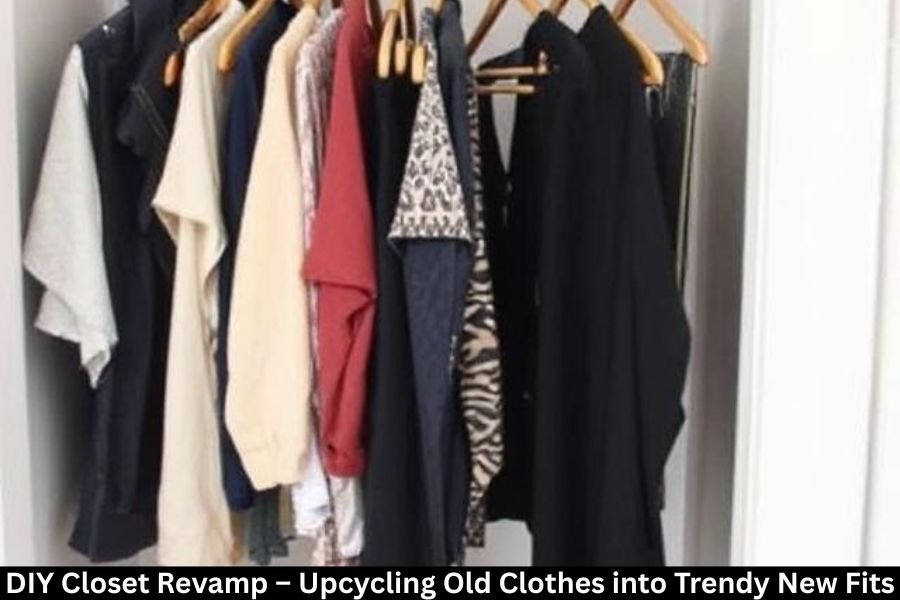
  • DIY Closet Revamp – Upcycling Old Clothes into Trendy New Fits

    DIY Closet Revamp – Upcycling Old Clothes into Trendy New Fits

    Are you staring at a closet full of clothes you never wear? Instead of buying new pieces, why not upcycle your old clothes into trendy new fits? DIY closet revamps are a fun, eco-friendly, and budget-conscious way to refresh your wardrobe. From turning old jeans into chic shorts to giving a plain t-shirt a whole new vibe, the possibilities are endless.

    In this article, we’ll explore practical ideas, step-by-step techniques, and creative inspiration to transform your old garments into fashion-forward outfits.

    Why Upcycling Matters

    • Sustainable Fashion: Reduces textile waste and environmental impact.
    • Unique Style: Your creations are one-of-a-kind.
    • Cost-Effective: Revamping is cheaper than buying new pieces.
    • Creative Outlet: DIY projects are fun and satisfying.

    Planning Your Closet Revamp

    Assess Your Wardrobe

    Before you start, go through your clothes and identify items that are worn out, outdated, or just plain boring. Keep the ones with potential for a makeover.

    Set Your Goals

    Ask yourself:

    • Do I want casual upgrades or statement pieces?
    • Am I revamping for seasonal wear or everyday outfits?

    Tools and Materials You’ll Need

    • Scissors, sewing kit, or sewing machine
    • Fabric glue or iron-on patches
    • Buttons, beads, and ribbons
    • Tie-dye kits or fabric paints
    • Old embellishments from discarded garments

    Top DIY Upcycling Ideas

    Transform Old T-Shirts

    1. Crop Tops and Knot Tees

    Cut your old t-shirts into stylish crop tops or tie the hem into knots for a trendy twist.

    2. Tie-Dye Magic

    Add color and personality with tie-dye. Even a plain white tee can become a statement piece.

    Revamp Old Jeans

    1. Distressed Denim

    Turn worn-out jeans into trendy distressed jeans by cutting and fraying the hems.

    2. Denim Shorts

    Cut long jeans into shorts, add some patches or embroidery, and create your summer staple.

    Upgrade Old Dresses

    1. Layering and Reshaping

    Shorten a maxi dress into a midi or mini dress. Combine with a belt for a chic look.

    2. Adding Embellishments

    Sew on lace trims, sequins, or fabric patches to transform a plain dress.

    Revitalize Sweaters and Hoodies

    • Crop or Tie: Turn oversized sweaters into cropped versions or tie-dye for a fresh look.
    • Layering Pieces: Cut sleeves to make a vest or add elbow patches for style.

    Accessorize with Upcycled Fabric

    • Create headbands, scrunchies, or tote bags from old clothes.
    • Sew fabric strips into belts or bracelets.

    Step-by-Step Upcycling Techniques

    1. Cutting and Reshaping

    Mark where you want to cut with chalk. Cut carefully, then sew or glue edges to prevent fraying.

    2. Dyeing and Painting

    Use tie-dye, fabric markers, or fabric paints to add personality. Follow instructions for vibrant, lasting results.

    3. Embellishing

    Add beads, buttons, patches, or lace to make garments eye-catching and unique.

    4. Layering

    Combine two old garments to make a new piece, such as sewing a shirt panel onto a dress or hoodie.

    Tips for a Successful DIY Closet Revamp

    • Start Small: Begin with a single item to build confidence.
    • Check Fabric Type: Some fabrics are easier to cut, dye, and sew.
    • Keep It Functional: Ensure the upcycled piece is wearable and comfortable.
    • Be Creative: Experiment with textures, colors, and patterns.

    Mistakes to Avoid

    • Overcomplicating designs—simplicity often works best.
    • Using poor-quality glue or stitches that won’t hold.
    • Ignoring comfort—trendy doesn’t mean uncomfortable.

    Benefits Beyond Fashion

    • Boosts Confidence: Creating your own fashion builds self-esteem.
    • Eco-Conscious Living: Contributes to a greener, more sustainable lifestyle.
    • Skill Development: Sewing, dyeing, and design skills improve with practice.

    Conclusion

    Revamping your closet through DIY upcycling is more than a fun hobby—it’s a statement of style, creativity, and sustainability. With a little time, creativity, and some basic tools, you can transform outdated or worn clothes into trendy, wearable art. So dig through that wardrobe and start your next project—your new favorite outfit is waiting to be created!

    FAQs

    1. Can beginners do DIY upcycling?
    Absolutely! Start with simple cuts, tie-dye, or adding patches.

    2. What materials are easiest to upcycle?
    Cotton and denim are forgiving fabrics for cutting, dyeing, and sewing.

    3. Do I need a sewing machine?
    Not necessarily—hand stitching and fabric glue work well for small projects.

    4. How long does a typical upcycling project take?
    Simple projects can take under an hour; complex ones may take a few days.

    5. Can I sell my upcycled creations?
    Yes! Many people start small businesses from DIY fashion projects.

  • Plant-Based vs. Animal-Based Diets

    Plant-Based vs. Animal-Based Diets

    Choosing the right diet can feel overwhelming. Between conflicting articles, social media trends, and personal preferences, it’s easy to get lost. Two of the most debated approaches today are plant-based diets and animal-based diets. Each has its champions, health benefits, and drawbacks. But which one truly fits your lifestyle, health goals, and ethical beliefs? Let’s break it down.

    What Is a Plant-Based Diet?

    Definition and Types

    A plant-based diet focuses primarily on foods derived from plants—fruits, vegetables, grains, legumes, nuts, and seeds. The approach can vary:

    • Vegetarian: Excludes meat but may include dairy and eggs.
    • Vegan: Eliminates all animal products.
    • Flexitarian: Primarily plant-based but occasionally includes meat or fish.

    Nutritional Profile

    Plant-based diets are naturally rich in fiber, vitamins, and antioxidants. Common nutrients include:

    • Protein: Lentils, beans, tofu, quinoa, nuts.
    • Vitamins and Minerals: Folate, vitamin C, magnesium, potassium.
    • Fiber: Helps digestion and supports gut health.

    What Is an Animal-Based Diet?

    Definition and Types

    Animal-based diets include foods sourced from animals, such as meat, fish, eggs, and dairy. Popular variations include:

    • Omnivorous Diet: Includes both plant and animal foods.
    • Keto or Carnivore Diets: High in animal protein and fats, low in carbs.

    Nutritional Profile

    Animal-based diets are rich in protein and essential nutrients:

    • Complete Proteins: Contain all essential amino acids.
    • Healthy Fats and Micronutrients: Omega-3 fatty acids, vitamin B12, iron, and zinc.
    • Potential Gaps: Lack of fiber and plant antioxidants if vegetables are limited.

    Health Benefits of Plant-Based Diets

    1. Heart Health: Lowers cholesterol and blood pressure.
    2. Weight Management: High fiber content increases satiety.
    3. Reduced Chronic Disease Risk: Lower risk of diabetes, cancer, and hypertension.
    4. Digestive Health: Fiber nourishes gut microbiome.

    Health Benefits of Animal-Based Diets

    1. Muscle Growth and Repair: Excellent source of complete protein.
    2. Satiety and Energy: Proteins and fats keep you fuller longer.
    3. Nutrient Density: Rich in vitamin B12, heme iron, and essential fatty acids.

    Potential Risks of Plant-Based Diets

    • Nutrient Deficiencies: B12, iron, zinc, calcium may require supplementation.
    • Social and Practical Challenges: Eating out or traveling may be more complicated.
    • Processed Foods Trap: Vegan junk food can be high in sugar and low in nutrients.

    Potential Risks of Animal-Based Diets

    • Heart Disease: High intake of red and processed meats may increase risk.
    • Environmental Concerns: Meat production has a higher carbon footprint.
    • Excess Saturated Fat: Can impact metabolism and cholesterol levels.

    Environmental and Ethical Considerations

    • Carbon Footprint: Plant-based diets are more eco-friendly.
    • Sustainability: Reduced meat consumption benefits the planet.
    • Animal Welfare: Ethical concerns influence many to choose plant-based options.

    Choosing the Right Diet for You

    1. Health Goals: Weight loss, muscle gain, or disease prevention.
    2. Lifestyle Preferences: Cooking time, food accessibility, and budget.
    3. Flexibility: A mix of both, like a flexitarian approach, often works best.

    Tips for a Balanced Plant-Based Diet

    • Protein Planning: Include lentils, tofu, nuts, and seeds daily.
    • Vitamin and Mineral Intake: Consider fortified foods or supplements.
    • Whole Foods: Avoid overprocessed plant-based foods.

    Tips for a Balanced Animal-Based Diet

    • Choose Lean Meats: Poultry, fish, or lean cuts of beef.
    • Include Vegetables: Ensure fiber and micronutrients.
    • Limit Processed Foods: Reduce intake of bacon, sausage, and deli meats.

    Role of Supplements

    • Plant-Based: B12, omega-3, vitamin D.
    • Animal-Based: Fish oil, vitamin D if sunlight exposure is low.

    Common Myths

    • Myth: Plant-based diets lack protein. Fact: Proper planning meets protein needs.
    • Myth: All animal-based diets are unhealthy. Fact: Balanced intake is fine.
    • Myth: Plant-based diets are automatically healthy. Fact: Processed vegan foods can be unhealthy.

    Conclusion

    Both plant-based and animal-based diets have their merits and challenges. The key is balance, personalization, and mindfulness. Your diet should support your health, energy, and ethical values. Whether you go fully plant-based, embrace animal-based nutrition, or mix both, focusing on nutrient-dense, whole foods is the ultimate goal.

    FAQs

    1. Can I get enough protein on a plant-based diet?
    Yes, with legumes, tofu, tempeh, nuts, seeds, and grains.

    2. Is an animal-based diet unhealthy?
    Not necessarily. Moderation and nutrient balance matter.

    3. Which diet is better for weight loss?
    Both can work; plant-based diets often provide more fiber and lower calories.

    4. Do plant-based diets require supplements?
    Vitamin B12, omega-3, and vitamin D are often recommended.

    5. Can I combine both diets?
    Yes! A flexitarian approach offers flexibility and balance.

  • Hormonal Imbalance in Women: Causes, Symptoms and Treatments

    Hormonal Imbalance in Women: Causes, Symptoms and Treatments

    Hormones may be tiny chemical messengers, but don’t let their size fool you—they run the show. From your mood and metabolism to your menstrual cycle and sleep, hormones influence almost every part of a woman’s life. When they’re in balance, you feel like yourself. When they’re not, everything feels off.

    What Are Hormones and Why They Matter

    Hormones are chemicals released by glands in your endocrine system. They travel through the bloodstream, delivering instructions to organs and tissues. Think of them as text messages sent by your body—clear messages keep things running smoothly, but mixed signals create chaos.

    Why Hormonal Balance Is Crucial for Women

    Women experience more hormonal fluctuations than men due to menstrual cycles, pregnancy, and menopause. That’s why hormonal imbalance in women is so common—and often misunderstood.

    Understanding the Female Hormonal System

    Key Hormones in Women

    Several hormones play major roles in women’s health, and even a small imbalance can cause noticeable symptoms.

    Estrogen

    Estrogen regulates the menstrual cycle, supports bone health, and affects mood. Too much or too little can lead to irregular periods, weight gain, or mood swings.

    Progesterone

    Progesterone balances estrogen and supports pregnancy. Low levels often cause anxiety, insomnia, and heavy periods.

    Testosterone

    Yes, women need testosterone too. It supports muscle strength, energy, and libido.

    Thyroid Hormones

    These hormones control metabolism. Imbalances can lead to weight changes, fatigue, and temperature sensitivity.

    Cortisol and Insulin

    Cortisol manages stress, while insulin controls blood sugar. Chronic stress or poor diet can throw both off balance.

    What Is Hormonal Imbalance in Women?

    How Hormonal Imbalance Occurs

    Hormonal imbalance happens when there’s too much or too little of one or more hormones. It can be triggered by stress, illness, medications, or natural life transitions.

    Temporary vs Chronic Hormonal Imbalance

    Some imbalances are short-term—like those during puberty or pregnancy. Others, such as PCOS or thyroid disorders, may require long-term management.

    Common Causes of Hormonal Imbalance in Women

    Stress and Lifestyle Factors

    Chronic stress is a hormone disruptor. High cortisol levels interfere with estrogen and progesterone, leading to fatigue and mood changes.

    Poor Diet and Nutritional Deficiencies

    Highly processed foods, sugar, and lack of essential nutrients can disrupt hormone production.

    Polycystic Ovary Syndrome (PCOS)

    PCOS is one of the most common causes of hormonal imbalance in women, often leading to irregular periods, acne, and excess hair growth.

    Thyroid Disorders

    Hypothyroidism and hyperthyroidism both affect energy, weight, and menstrual cycles.

    Pregnancy and Postpartum Changes

    Hormones fluctuate dramatically during and after pregnancy, sometimes leading to postpartum depression or thyroid issues.

    Perimenopause and Menopause

    As estrogen levels decline, women may experience hot flashes, mood swings, and sleep problems.

    Birth Control and Hormonal Medications

    Hormonal contraceptives alter natural hormone cycles and may cause side effects in some women.

    Signs and Symptoms of Hormonal Imbalance

    Physical Symptoms

    Irregular Periods

    Missed, heavy, or unpredictable periods are often the first sign.

    Weight Gain or Loss

    Hormones control metabolism, so imbalances can change body weight without diet changes.

    Acne and Skin Issues

    Adult acne, especially along the jawline, is a classic hormonal sign.

    Hair Thinning or Hair Growth

    Hair loss on the scalp or excess facial hair can indicate imbalance.

    Emotional and Mental Symptoms

    Mood Swings

    Feeling fine one moment and overwhelmed the next? Hormones may be to blame.

    Anxiety and Depression

    Hormonal changes strongly influence mental health.

    Brain Fog and Fatigue

    Difficulty concentrating and constant tiredness are common complaints.

    Hormonal Imbalance at Different Life Stages

    Teen Years

    Puberty causes natural hormonal swings, but severe symptoms may need attention.

    Reproductive Years

    Stress, pregnancy, and contraception can all affect balance.

    Pregnancy and After Childbirth

    Postpartum hormone drops can affect mood and energy.

    Menopause

    Declining estrogen leads to hot flashes, sleep issues, and emotional changes.

    When to See a Doctor

    Red Flags You Shouldn’t Ignore

    Persistent symptoms, extreme mood changes, or irregular cycles deserve medical attention.

    Diagnosis and Hormone Testing

    Doctors may use blood, saliva, or urine tests to evaluate hormone levels.

    Medical Treatments for Hormonal Imbalance

    Hormone Replacement Therapy (HRT)

    Often used during menopause to relieve symptoms.

    Birth Control Pills

    Can regulate periods and reduce acne for some women.

    Thyroid Medications

    Essential for managing thyroid-related imbalances.

    Treating Underlying Conditions

    Managing PCOS, diabetes, or adrenal disorders restores balance.

    Natural Treatments and Lifestyle Changes

    Diet for Hormonal Balance

    Foods That Support Hormones

    Leafy greens, healthy fats, whole grains, and lean proteins help hormone production.

    Foods to Avoid

    Excess sugar, refined carbs, and processed foods worsen imbalances.

    Exercise and Movement

    Regular, moderate exercise improves insulin sensitivity and reduces stress.

    Stress Management Techniques

    Yoga, meditation, and deep breathing help lower cortisol.

    Sleep and Hormonal Health

    Poor sleep disrupts nearly every hormone in your body.

    Supplements for Hormonal Balance

    Commonly Recommended Supplements

    Vitamin D, magnesium, omega-3s, and B vitamins are often helpful.

    Safety and Medical Guidance

    Always consult a healthcare provider before starting supplements.

    Can Hormonal Imbalance Be Prevented?

    Healthy Habits for Long-Term Balance

    Balanced meals, regular movement, stress management, and sleep go a long way.

    Listening to Your Body

    Your body sends signals—learning to recognize them is key.

    Myths and Misconceptions About Hormonal Imbalance

    Common Myths Explained

    Hormonal issues aren’t “all in your head,” and they don’t only affect older women.

    Facts vs Fear

    With proper care, hormonal imbalance is manageable.

    Living Well with Hormonal Imbalance

    Managing Symptoms Day to Day

    Small lifestyle changes can make a big difference.

    Emotional Support and Self-Care

    Support systems, therapy, and self-compassion matter.

    Conclusion

    Hormonal imbalance in women is common—but it doesn’t have to control your life. Understanding the causes, recognizing symptoms, and choosing the right treatments can restore balance and improve quality of life. With the right support and habits, your hormones can work with you, not against you.

    FAQs

    1. Can hormonal imbalance go away on its own?

    Some imbalances are temporary, but persistent symptoms need treatment.

    2. Is hormonal imbalance common in young women?

    Yes, especially due to stress, PCOS, or lifestyle factors.

    3. Can diet really balance hormones?

    Diet plays a major role in hormone production and regulation.

    4. How long does it take to fix hormonal imbalance?

    It depends on the cause—some improve in weeks, others take months.

    5. Should I avoid birth control if I have hormonal imbalance?

    Not necessarily; it depends on individual health needs and medical advice.

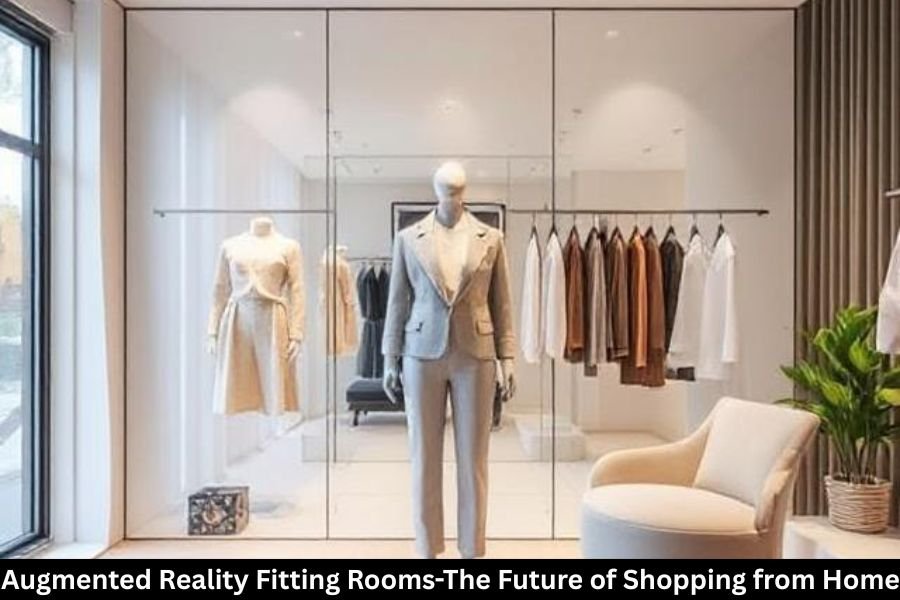
  • Augmented Reality Fitting Rooms-The Future of Shopping from Home

    Augmented Reality Fitting Rooms-The Future of Shopping from Home

    Online shopping has come a long way, but let’s be honest—it still has its flaws. Ever ordered clothes online that looked amazing on the model but terrible on you? That frustration is exactly why augmented reality fitting rooms are changing the game.

    What Is Augmented Reality (AR)?

    Augmented Reality blends digital elements with the real world. Instead of replacing reality, it enhances it. Think of it like trying on clothes through your phone camera while still standing in your bedroom. Cool, right?

    How AR Is Transforming Online Retail

    AR turns passive scrolling into an interactive experience. It allows shoppers to see products on themselves before buying, making online shopping feel more human and less risky.

    What Are Augmented Reality Fitting Rooms?

    How Virtual Try-Ons Work

    AR fitting rooms use your smartphone, tablet, or webcam to overlay digital clothing or accessories onto your body in real time. It’s like a digital dressing room—minus the awkward lighting.

    AR Mirrors vs Mobile AR Apps

    AR mirrors are often used in physical stores, while mobile AR apps bring the fitting room straight to your couch. Both serve the same purpose: helping you visualize before you buy.

    Why Traditional Online Shopping Falls Short

    The Fit and Size Problem

    Sizes vary wildly across brands. A “medium” in one store could be a “large” in another. Without trying it on, buying clothes online feels like a gamble.

    High Return Rates and Customer Frustration

    Ill-fitting products lead to returns, refunds, and disappointment. It’s bad for shoppers, retailers, and the environment.

    How AR Fitting Rooms Solve These Problems

    Accurate Size Visualization

    AR fitting rooms show how clothing fits your body, not a generic model. This helps you choose the right size with confidence.

    Real-Time Product Interaction

    You can turn, move, and see how fabric flows. It’s the closest thing to a real fitting room—without the queue.

    The Technology Behind AR Fitting Rooms

    AI, Computer Vision, and 3D Modeling

    Artificial intelligence analyzes body shapes, while 3D models replicate how garments behave in real life. It’s fashion meeting science.

    Body Scanning and Motion Tracking

    Advanced AR tracks your movements, ensuring clothes move naturally with your body. It’s like having a digital tailor.

    Benefits of AR Fitting Rooms for Shoppers

    Confidence in Buying Decisions

    When you know how something will look, hesitation disappears. AR removes doubt and boosts confidence.

    Convenience and Time Savings

    No more dressing rooms, no more returns. Try dozens of outfits in minutes—right from home.

    Benefits of AR Fitting Rooms for Brands and Retailers

    Reduced Product Returns

    Better buying decisions mean fewer returns, saving money and reducing waste.

    Higher Customer Engagement

    Interactive shopping keeps customers on websites longer and increases conversion rates.

    AR Fitting Rooms in Fashion and Apparel

    Virtual Clothing Try-Ons

    From dresses to jackets, AR lets shoppers see full outfits without touching a hanger.

    Accessories, Shoes, and Eyewear

    Trying sunglasses, shoes, or jewelry virtually is already becoming mainstream—and customers love it.

    AR Fitting Rooms Beyond Fashion

    Beauty and Cosmetics Try-Ons

    Test lipstick shades, foundation tones, or hairstyles virtually before buying. No mess, no regret.

    Furniture and Home Décor Visualization

    AR also helps shoppers place furniture in their homes digitally, ensuring it fits and matches before purchase.

    The Rise of Shopping from Home

    Changing Consumer Behavior

    People want comfort, speed, and personalization. AR fits perfectly into this new mindset.

    The Influence of E-Commerce and Mobile Shopping

    Smartphones have turned homes into shopping hubs, and AR makes the experience immersive.

    How AR Enhances the At-Home Shopping Experience

    Making Online Shopping Interactive

    AR turns shopping into an experience, not just a transaction.

    Bridging the Gap Between Online and In-Store

    It brings the best part of in-store shopping—trying before buying—to the digital world.

    Challenges Facing AR Fitting Rooms

    Technology Limitations

    Not all AR is perfect yet. Fabric textures and lighting can still improve.

    Privacy and Data Concerns

    Body scanning raises questions about data security, making transparency crucial.

    Are AR Fitting Rooms Accessible to Everyone?

    Device Compatibility

    Most AR tools work on modern smartphones, making them widely accessible.

    Cost and Internet Requirements

    As technology advances, AR is becoming more affordable and easier to use.

    The Future of Augmented Reality Fitting Rooms

    Integration with the Metaverse

    Virtual avatars and digital fashion will soon be part of everyday shopping.

    Hyper-Personalized Shopping Experiences

    AI and AR together will recommend styles based on your body, taste, and lifestyle.

    Will AR Fitting Rooms Replace Physical Stores?

    The Hybrid Shopping Model

    Physical stores won’t disappear—they’ll evolve. AR will enhance both online and offline shopping.

    The Role of Physical Retail in the Future

    Stores will become experience centers rather than just places to buy products.

    Conclusion

    Augmented reality fitting rooms are not just a trend—they’re the future of shopping from home. By combining technology with personalization, AR is solving long-standing problems in online shopping. It saves time, reduces waste, boosts confidence, and transforms how we shop. As AR continues to evolve, one thing is clear: the fitting room is no longer limited to a store—it’s wherever you are.

    FAQs

    1. Are AR fitting rooms accurate?

    They are increasingly accurate, especially for size and proportion visualization.

    2. Do AR fitting rooms work on smartphones?

    Yes, most AR fitting rooms are designed for mobile devices.

    3. Are AR fitting rooms safe for privacy?

    Reputable brands use secure systems, but always check privacy policies.

    4. Can AR fitting rooms reduce returns?

    Absolutely. Better fit visualization leads to fewer wrong purchases.

    5. Is AR shopping the future of e-commerce?

    Yes, AR is shaping a more interactive, personalized, and confident shopping experience.