Author: Shivi Hyde

  • Why Consider Training and Development for Your Employees First

    Why Consider Training and Development for Your Employees First

    Think of training and development as the fuel that keeps your business engine running smoothly. Training focuses on equipping employees with specific skills they need right now, while development is about preparing them for future roles and responsibilities. Together, they create a workforce that’s capable, confident, and ready to grow.

    Why This Topic Matters More Than Ever

    In today’s fast-paced business world, standing still is the same as moving backward. Companies that prioritize employee training and development stay competitive, innovative, and resilient. If your people grow, your business grows—it’s that simple.

    The Changing Workplace Landscape

    Rapid Technological Advancements

    Technology evolves faster than ever. New tools, software, and systems pop up constantly. Without regular training, employees can quickly fall behind, like trying to use an old map in a city full of new roads.

    Evolving Employee Expectations

    Modern employees don’t just want a paycheck. They want purpose, growth, and learning opportunities. Training and development have become non-negotiables for attracting and retaining top talent.

    The Rise of Lifelong Learning

    Learning is no longer confined to classrooms or early careers. Today’s workforce expects continuous learning, and organizations that support it earn long-term loyalty.

    Training vs. Development: Understanding the Difference

    Short-Term Skill Training

    Training is tactical. It focuses on immediate job-related skills—think software tutorials, safety procedures, or compliance training.

    Long-Term Employee Development

    Development is strategic. It prepares employees for future challenges, leadership roles, and career progression. It’s like planting a tree instead of buying firewood.

    The Business Case for Training Employees First

    Boosting Productivity and Performance

    Well-trained employees work smarter, not harder. They make fewer mistakes, complete tasks faster, and deliver higher-quality results.

    Improving Quality and Efficiency

    When employees know what they’re doing, processes become smoother. Training eliminates guesswork and builds consistency across teams.

    Employee Retention and Loyalty

    How Learning Opportunities Reduce Turnover

    Employees are far less likely to leave a company that invests in their growth. Training signals commitment, and commitment breeds loyalty.

    Training as a Sign of Investment

    Would you stay where you feel undervalued? Probably not. Training shows employees they matter, and that feeling goes a long way.

    Building a Strong Company Culture

    Encouraging Growth Mindsets

    Training promotes curiosity and continuous improvement. It creates a culture where learning is celebrated, not feared.

    Creating Engaged Teams

    Engaged employees are motivated, collaborative, and enthusiastic. Training gives them the tools to contribute meaningfully.

    Closing Skill Gaps Internally

    Identifying Skill Gaps

    Skill gaps are inevitable, but they don’t have to be deal-breakers. Training helps you spot and close those gaps before they become problems.

    Upskilling vs. Hiring New Talent

    Hiring externally is expensive and risky. Upskilling existing employees is faster, cheaper, and builds internal trust.

    Cost-Effectiveness of Training and Development

    Reducing Recruitment Costs

    Recruitment fees, onboarding, and lost productivity add up quickly. Training minimizes these costs by developing talent from within.

    Maximizing Existing Talent

    Your employees already understand your business. Training unlocks their full potential without starting from scratch.

    Enhancing Employee Confidence and Morale

    Empowerment Through Knowledge

    Knowledge is power. Training empowers employees to make decisions, solve problems, and take initiative.

    Confidence Leads to Innovation

    Confident employees aren’t afraid to share ideas or try new approaches. That’s where innovation thrives.

    Leadership Development from Within

    Preparing Future Leaders

    Leadership training builds a pipeline of capable managers who understand your culture and values.

    Succession Planning Made Easy

    When leaders leave, trained successors step in seamlessly. No panic. No disruption.

    Adaptability and Change Management

    Training for Organizational Agility

    Change is inevitable. Training helps employees adapt quickly and stay productive during transitions.

    Thriving During Change

    Instead of resisting change, trained employees embrace it, turning challenges into opportunities.

    Improving Customer Satisfaction

    Well-Trained Employees Deliver Better Service

    Customers notice competence. Trained employees provide faster, friendlier, and more effective service.

    Consistency in Customer Experience

    Training ensures everyone delivers the same high-quality experience, every time.

    Supporting Diversity, Equity, and Inclusion

    Equal Access to Growth Opportunities

    Training levels the playing field, giving everyone a fair chance to grow and succeed.

    Inclusive Learning Environments

    Inclusive training fosters understanding, collaboration, and respect across diverse teams.

    Measuring the Impact of Training Programs

    Key Metrics to Track

    Productivity, engagement, retention, and performance metrics reveal training effectiveness.

    Continuous Improvement

    Feedback and data help refine programs, ensuring they stay relevant and impactful.

    Common Challenges and How to Overcome Them

    Time and Budget Constraints

    Start small. Even short, focused training sessions can deliver big results.

    Employee Resistance

    Communicate benefits clearly and involve employees in the learning process.

    How to Get Started with Training and Development

    Assessing Training Needs

    Identify current skills, future goals, and gaps. Let data guide your decisions.

    Designing Effective Programs

    Blend online learning, workshops, and hands-on experience for maximum impact.

    Conclusion: Why Training and Development Should Come First

    Training and development aren’t optional—they’re essential. By prioritizing your employees’ growth, you build a stronger, more agile, and more successful organization. When you invest in people first, everything else falls into place.

    FAQs

    1. Why should companies prioritize training and development?

    Because skilled, confident employees drive productivity, innovation, and long-term success.

    2. Is training expensive for small businesses?

    Not necessarily. Many affordable and scalable training options deliver high ROI.

    3. How often should employee training be conducted?

    Training should be continuous, with regular updates based on business needs.

    4. Does training really improve employee retention?

    Yes. Employees stay longer where they see growth opportunities.

    5. What’s the difference between training and development?

    Training focuses on current skills; development prepares employees for future roles.

  • Cultural Wardrobe Diaries – Spotlight Traditional Attire from Around the World

    Cultural Wardrobe Diaries – Spotlight Traditional Attire from Around the World

    Traditional attire is more than just clothing—it’s history stitched into fabric. These garments represent a community’s roots, beliefs, climate, and way of life. Every fold, color, and pattern tells a story passed down through generations.

    Why Clothing Is a Cultural Storyteller

    Think of traditional clothing as a walking museum. You don’t need a history book when a single outfit can reveal social status, regional identity, and even life milestones.

    The Global Language of Clothing

    Fashion as Identity

    Before words, clothing spoke. Traditional attire signals who we are, where we come from, and what we value. It’s identity worn proudly on the body.

    How Culture Shapes Style

    Climate, geography, religion, and resources all influence traditional fashion. Desert cultures favor breathable fabrics, while colder regions embrace layers and wool.

    Traditional Attire vs Modern Fashion

    Timeless Designs

    Unlike fast fashion, traditional clothing doesn’t expire with seasons. Designs remain relevant for centuries because they’re rooted in meaning.

    Blending Heritage with Trends

    Modern fashion often borrows from traditional attire, blending old-world charm with contemporary aesthetics.

    Traditional Attire of Asia

    The Saree – India

    The saree is elegance personified. This long, flowing garment varies across regions, fabrics, and draping styles.

    Symbolism of Colors and Fabrics

    Red for weddings, white for mourning, silk for royalty—every choice carries significance.

    Kimono – Japan

    The kimono is structured, graceful, and deeply symbolic. Patterns and colors reflect seasons, age, and marital status.

    Seasonal and Social Meanings

    From cherry blossoms to cranes, motifs mirror nature and tradition.

    Hanbok – Korea

    Hanbok’s flowing lines and vibrant colors celebrate harmony and balance, reflecting Korea’s cultural philosophy.

    Traditional Attire of the Middle East

    Thobe and Abaya

    These garments emphasize modesty while showcasing refined simplicity. Loose silhouettes suit the climate perfectly.

    Cultural Modesty and Elegance

    Middle Eastern attire proves modesty and style can coexist beautifully.

    Regional Variations

    Designs differ across countries, influenced by history and local customs.

    Traditional Attire of Africa

    Dashiki and Kente

    Bold colors and geometric patterns dominate African traditional wear, symbolizing pride and heritage.

    Patterns That Speak

    Each pattern tells a story—of royalty, community, or ancestral wisdom.

    Beads, Textiles, and Identity

    Accessories often carry just as much meaning as the garments themselves.

    Traditional Attire of Europe

    Dirndl and Lederhosen – Germany

    Originally workwear, these outfits now symbolize regional pride and festivals like Oktoberfest.

    Flamenco Dress – Spain

    Ruffles, movement, and passion define this iconic dress.

    Dance, Movement, and Dress

    Designed to flow with dance, flamenco attire embodies emotion.

    Traditional Attire of the Americas

    Indigenous Clothing of North America

    Feathers, leather, and beadwork reflect spiritual beliefs and respect for nature.

    Huipil – Mexico

    This handwoven garment showcases indigenous artistry.

    Handmade Heritage

    Each huipil is unique, crafted with love and tradition.

    Traditional Attire of Oceania

    Māori Clothing – New Zealand

    Cloaks made from flax and feathers symbolize status and ancestry.

    Grass Skirts and Ceremonial Wear

    Often worn during rituals, these garments connect people to land and ancestors.

    Materials and Craftsmanship

    Handwoven Fabrics

    Traditional clothing often uses techniques passed down through generations.

    Artisans Behind the Attire

    Behind every garment is an artisan whose skills preserve culture.

    Traditional Attire in Festivals and Ceremonies

    Weddings and Rituals

    Special occasions bring out the most elaborate attire, rich in symbolism.

    Religious and Cultural Celebrations

    Festivals become living showcases of heritage.

    Symbolism in Traditional Clothing

    Colors, Patterns, and Motifs

    Nothing is random. Every detail has meaning.

    Status, Age, and Community

    Clothing often communicates social roles without a single word spoken.

    Preservation of Cultural Wardrobes

    Threats from Globalization

    Mass production and westernization risk erasing traditional styles.

    Reviving Heritage Through Fashion

    Designers and communities are working to keep traditions alive.

    Traditional Attire in the Modern World

    Fashion Designers and Cultural Fusion

    Runways now celebrate cultural roots with modern twists.

    Wearing Tradition with Pride

    Younger generations are reclaiming heritage fashion.

    How to Respect and Appreciate Cultural Attire

    Cultural Appreciation vs Appropriation

    Respect comes from understanding, not imitation without context.

    Learning Before Wearing

    Know the story before you wear the outfit.

    Conclusion: Why Cultural Wardrobes Matter

    Traditional attire connects us to our past while shaping our identity today. In a fast-paced world, cultural wardrobes remind us where we come from—and why it matters. Celebrating these garments means celebrating humanity itself.

    FAQs

    1. Why is traditional attire important?

    It preserves history, identity, and cultural values.

    2. Can traditional clothing be worn daily?

    Yes, many cultures adapt traditional wear for modern life.

    3. How can I respectfully wear cultural attire?

    Learn its significance and wear it with appreciation.

    4. Are traditional clothes still being made today?

    Absolutely, many artisans continue these crafts.

  • Voice Search Optimization: Preparing Your Business for the Next Digital Shift

    Voice Search Optimization: Preparing Your Business for the Next Digital Shift

    Voice search optimization is all about tailoring your digital content so it can be easily discovered through voice-based queries. Instead of typing “best coffee shop NYC,” users now ask, “Hey Siri, where’s the best coffee shop near me?” Optimizing for these spoken searches ensures your business shows up when customers talk instead of type.

    Why Voice Search Is Growing Rapidly

    Voice search isn’t a trend—it’s a behavior shift. With smart assistants baked into phones, cars, and homes, people are talking to technology like never before. It’s faster, easier, and feels more natural. And when convenience wins, adoption skyrockets.

    The Evolution of Search Behavior

    From Typing to Talking

    Remember when typing keywords felt revolutionary? Now it feels almost old-school. Voice search mirrors how humans naturally communicate, making interactions smoother and more intuitive.

    How Smart Devices Changed User Habits

    Smart speakers and virtual assistants turned voice search into an everyday habit. Asking questions out loud has become second nature, whether people are cooking, driving, or relaxing on the couch.

    How Voice Search Works

    Voice Assistants and AI

    Voice assistants like Alexa, Google Assistant, and Siri rely on artificial intelligence to interpret and respond to queries. They analyze speech patterns, context, and user intent to deliver accurate answers.

    Natural Language Processing Explained

    Natural Language Processing (NLP) helps machines understand human speech. It’s the reason voice assistants can grasp full questions instead of isolated keywords.

    Why Voice Search Optimization Matters for Businesses

    Changing SEO Landscape

    Traditional SEO focused on short keywords. Voice search flips the script, prioritizing conversational phrases and direct answers.

    Staying Ahead of Competitors

    Early adopters always win. Businesses optimizing for voice search now gain visibility before the competition catches up.

    Voice Search vs Traditional Search

    Key Differences in Search Queries

    Typed searches are short and fragmented. Voice searches are longer and more conversational, often framed as complete questions.

    Conversational Search Intent

    Voice users expect immediate, accurate answers. If your content doesn’t deliver quickly, someone else’s will.

    The Role of Mobile and Smart Devices

    Smartphones and Voice Search

    Most voice searches happen on mobile devices. If your site isn’t mobile-friendly, you’re already losing ground.

    Smart Speakers and Home Assistants

    Smart speakers dominate home searches, especially for local businesses, weather, news, and quick answers.

    Understanding User Intent in Voice Search

    Informational Queries

    These answer “who,” “what,” “when,” and “how” questions. Educational content shines here.

    Navigational and Transactional Queries

    Users often ask for directions, business hours, or to make purchases. Voice search shortens the path to conversion.

    Keyword Strategy for Voice Search

    Long-Tail and Question-Based Keywords

    Voice queries are longer and more specific. Target phrases like “How do I…” or “What’s the best way to…”

    Using Natural, Conversational Phrases

    Write how people speak, not how search engines crawl. It’s like switching from a robot voice to a friendly chat.

    Optimizing Content for Voice Search

    Creating FAQ-Focused Content

    FAQs match voice search perfectly. They provide direct questions and clear answers—exactly what assistants want.

    Structuring Content for Featured Snippets

    Voice assistants often pull answers from featured snippets. Clear formatting increases your chances of being chosen.

    Importance of Local SEO in Voice Search

    “Near Me” Searches

    Voice searches love local intent. Phrases like “near me” dominate voice-based queries.

    Optimizing Google Business Profile

    Accurate business details boost visibility in local voice results.

    Technical SEO for Voice Search

    Website Speed and Performance

    Voice users want instant answers. Slow websites simply don’t make the cut.

    Mobile-Friendliness and Responsive Design

    If your site doesn’t look good on mobile, voice optimization efforts fall flat.

    The Power of Structured Data and Schema Markup

    What Is Schema Markup?

    Schema markup helps search engines understand your content better by adding context.

    How It Helps Voice Assistants

    Structured data increases the likelihood of your content being read aloud by voice assistants.

    Content Tone and Readability

    Writing Like People Speak

    Formal language doesn’t work well for voice search. Keep it natural, friendly, and conversational.

    Keeping Answers Clear and Concise

    Voice responses are short. Get to the point quickly, without fluff.

    Measuring Voice Search Performance

    Key Metrics to Track

    Monitor organic traffic, featured snippet rankings, and local search performance.

    Tools for Voice Search SEO

    SEO tools and analytics platforms help uncover voice-related opportunities.

    Common Voice Search Optimization Mistakes

    Ignoring Mobile Users

    Mobile optimization isn’t optional—it’s essential.

    Overlooking Local Intent

    Ignoring local SEO means missing out on high-intent voice searches.

    How to Prepare Your Business for the Future

    Building a Voice-First Strategy

    Start with customer questions. Optimize content to answer them clearly and quickly.

    Continuous Optimization and Adaptation

    Voice search evolves constantly. Regular updates keep your strategy effective.

    Conclusion: Embracing the Next Digital Shift

    Voice search optimization is no longer a “nice-to-have.” It’s a must. As users increasingly talk to technology, businesses must listen—and respond. By adapting now, you position your brand at the forefront of the next digital revolution.

    FAQs

    1. What is voice search optimization?

    It’s the process of optimizing content to appear in voice-based search results.

    2. Why is voice search important for SEO?

    Because search behavior is shifting from typing to speaking.

    3. How can small businesses benefit from voice search?

    Local voice searches drive high-intent traffic and conversions.

    4. Does voice search affect traditional SEO?

    Yes, it emphasizes conversational keywords and direct answers.

    5. How do I start optimizing for voice search?

    Focus on mobile optimization, FAQs, and natural language content.

  • Fashion as Self-Care – How Dressing Up Impacts Mental Health

    Fashion as Self-Care – How Dressing Up Impacts Mental Health

    When we think of self-care, we often picture bubble baths, meditation apps, or yoga mats. But self-care goes deeper than that. It’s about how we treat ourselves daily—and yes, that includes what we wear.

    Why What We Wear Matters

    Clothing isn’t just fabric. It’s energy, mood, and identity wrapped into one. What you put on your body can influence how you feel, think, and show up in the world.

    The Psychology of Clothing

    How Clothes Affect Mood and Emotions

    Ever noticed how your favorite outfit instantly lifts your mood? That’s no coincidence. Clothes can trigger positive emotions, memories, and confidence.

    Enclothed Cognition Explained

    Enclothed cognition is the idea that what you wear affects how you think and behave. Put simply, dressing sharp can make you feel sharp.

    Dressing Up and Self-Expression

    Clothing as a Personal Language

    Fashion is a silent conversation. Without saying a word, your outfit tells a story—about your mood, personality, and values.

    Showing the World Who You Are

    When words fail, style speaks. Dressing authentically helps you feel aligned with yourself.

    Fashion and Confidence

    The Confidence-Boosting Power of Outfits

    A well-chosen outfit can feel like armor. It helps you walk taller, speak clearer, and feel more capable.

    First Impressions and Self-Perception

    Confidence starts internally, but what you wear reinforces how you see yourself—and how others respond.

    Fashion as a Daily Ritual

    Creating a Morning Routine with Style

    Getting dressed can be a grounding ritual. It signals the start of your day and sets the tone.

    Dressing with Intention

    Instead of grabbing whatever’s clean, choosing outfits mindfully can feel empowering.

    Color Psychology in Fashion

    How Colors Influence Emotions

    Colors affect mood. Bright shades energize, neutrals calm, and darker tones ground us.

    Choosing Colors for Mental Well-Being

    Wearing colors that match or shift your mood can be a simple mental health tool.

    Comfort vs Style – Finding Balance

    Why Comfort Matters for Mental Health

    Uncomfortable clothing can increase stress and distraction. Comfort allows you to relax and focus.

    Stylish Doesn’t Have to Mean Uncomfortable

    You don’t have to sacrifice comfort to look good. The sweet spot is where both meet.

    Fashion During Stressful Times

    Dressing Through Anxiety and Depression

    When motivation is low, even small style choices—like soft fabrics or cozy layers—can provide comfort.

    Small Style Choices That Make a Big Difference

    A favorite hoodie or statement accessory can feel like a hug on hard days.

    Social Connection and Belonging

    Fashion as a Tool for Connection

    Shared styles create belonging. From uniforms to subcultures, fashion builds community.

    Feeling Seen and Understood

    Wearing what resonates with you helps others understand you better.

    Fashion and Body Positivity

    Dressing for Your Body, Not Trends

    Trends come and go, but your body deserves respect now.

    Clothing as Self-Acceptance

    Choosing clothes that fit and flatter your body is an act of kindness toward yourself.

    Mindful Fashion Choices

    Shopping with Purpose

    Mindful shopping reduces stress, clutter, and regret.

    Sustainable Fashion and Mental Peace

    Knowing your clothes align with your values brings a sense of calm and pride.

    Fashion in the Workplace

    Dressing for Confidence at Work

    Professional attire can boost authority and self-belief.

    Professional Identity and Mental Health

    Feeling comfortable and confident at work supports mental well-being.

    Digital Fashion Influence

    Social Media, Style, and Self-Esteem

    Online fashion inspiration can uplift—or overwhelm.

    Setting Healthy Boundaries

    Consume inspiration, not comparison. Curate your feed wisely.

    Fashion Across Life Stages

    Style Changes with Life Transitions

    Style evolves as we grow—and that’s healthy.

    Dressing for the Person You’re Becoming

    Your wardrobe can support your future self.

    Building a Self-Care Wardrobe

    Curating Clothes That Make You Feel Good

    Keep pieces that spark joy, comfort, and confidence.

    Letting Go of Guilt Pieces

    If it doesn’t serve you, let it go. Your closet should support—not stress—you.

    Conclusion: Why Fashion Deserves a Place in Self-Care

    Fashion is more than looking good—it’s about feeling good. Dressing with intention can boost confidence, comfort, and mental well-being. When you treat fashion as self-care, every outfit becomes an opportunity to show up for yourself.

    FAQs

    1. Can clothing really impact mental health?

    Yes, clothing affects mood, confidence, and self-perception.

    2. Is dressing up considered self-care?

    Absolutely. It’s a form of daily self-expression and empowerment.

    3. What should I wear when I feel low?

    Comfortable clothes in calming colors often help.

    4. Does fashion help with confidence?

    The right outfit can significantly boost confidence.

    5. How do I build a self-care wardrobe?

    Focus on comfort, authenticity, and pieces that make you feel good.

  • Where the Sports Meet Style—Athleisure Trends Inspired by Top Athletes

    Where the Sports Meet Style—Athleisure Trends Inspired by Top Athletes

    Athleisure isn’t just a fashion trend—it’s a lifestyle shift. Somewhere between the gym and your favorite coffee shop, sportswear found its groove in everyday fashion. Today, what athletes wear on and off the field shapes how the world dresses. From sleek leggings to statement sneakers, athleisure has blurred the line between performance and style like never before.

    What Athleisure Really Means Today

    Athleisure is the sweet spot where comfort shakes hands with confidence. It’s clothing designed for movement but stylish enough for daily life. Think joggers that look sharp, hoodies that feel luxurious, and sneakers that belong everywhere. It’s fashion that doesn’t ask you to choose between looking good and feeling good.

    Why Athletes Are the Ultimate Style Influencers

    Athletes live in performance wear. They test fabrics under pressure, stretch limits, and redefine comfort daily. When they step out wearing a certain look, it carries authenticity. People trust athletes because their style is born from real performance needs, not just runway trends.

    The Evolution of Athleisure from Gym to Street

    Early Sportswear vs. Modern Athleisure

    Back in the day, sportswear was purely functional. Baggy shorts, stiff fabrics, and basic designs ruled the scene. Fast forward to now, and athleisure is tailored, breathable, and stylish. It evolved because people wanted versatility—clothes that could keep up with busy lives.

    The Shift Toward Lifestyle Fashion

    As work-life boundaries blurred, especially with remote work culture, people craved comfort without sacrificing appearance. Athleisure stepped in like a trusted teammate, offering flexibility, style, and ease all at once.

    Why Top Athletes Influence Global Fashion Trends

    Performance Credibility and Trust

    When an athlete endorses or designs athleisure, it’s not just marketing—it’s lived experience. Their bodies are their tools, and what they wear matters. That credibility makes their fashion influence powerful and believable.

    Social Media and Athlete Branding

    Instagram, TikTok, and global broadcasts have turned athletes into style icons. A single outfit post from a top athlete can spark worldwide trends overnight. Fashion houses and sports brands know this—and they lean into it hard.

    Iconic Athletes Who Redefined Athleisure

    Michael Jordan and the Sneaker Revolution

    Jordan didn’t just change basketball; he changed fashion. His sneakers became cultural symbols, proving athletic footwear could dominate street style. Even decades later, his influence shapes modern athleisure.

    Serena Williams and Power Dressing

    Serena blends strength with elegance. Her athleisure-inspired looks celebrate confidence, boldness, and individuality. She showed the world that performance wear can be fierce and fashionable at the same time.

    Cristiano Ronaldo’s Sleek Sport-Luxury Look

    CR7’s style is clean, sharp, and athletic. Tailored joggers, fitted tees, and minimalist sneakers define his athleisure vibe—proof that sporty can also be sophisticated.

    LeBron James and Elevated Streetwear

    LeBron mixes bold streetwear with athletic roots. Oversized silhouettes, layered looks, and standout sneakers reflect how basketball culture fuels athleisure trends globally.

    Key Athleisure Trends Inspired by Athletes

    Performance Leggings and Compression Wear

    Originally designed for recovery and muscle support, compression wear is now a fashion staple. Athletes normalized wearing them everywhere, and the world followed.

    Statement Sneakers as Everyday Essentials

    Sneakers are no longer just gym gear. Inspired by athletes, they’ve become the foundation of athleisure style—comfortable, expressive, and endlessly versatile.

    Oversized Hoodies and Relaxed Fits

    Athletes love comfort off-duty, and oversized pieces reflect that. Hoodies, sweatshirts, and relaxed joggers dominate athleisure wardrobes today.

    Sporty Jackets and Layering Pieces

    Track jackets, windbreakers, and zip-ups add structure and style. Layering is key, turning functional pieces into fashion statements.

    Fabrics That Changed the Game

    Moisture-Wicking and Breathable Materials

    Athlete-inspired athleisure thrives on technical fabrics. Sweat-wicking, quick-dry, and breathable materials keep wearers comfortable all day long.

    Sustainable and Eco-Friendly Innovations

    Athletes increasingly support sustainability, pushing brands to innovate responsibly.

    Recycled Polyester and Plant-Based Fibers

    From recycled plastics to bamboo blends, eco-conscious fabrics are shaping the future of athleisure without compromising performance.

    Athleisure for Different Sports Inspirations

    Basketball-Inspired Street Style

    Loose silhouettes, bold graphics, and high-top sneakers dominate basketball-inspired athleisure. It’s expressive, confident, and unapologetically bold.

    Tennis-Inspired Minimal Elegance

    Tennis brings clean lines, neutral colors, and refined simplicity. Think pleated skirts, fitted tops, and crisp sneakers.

    Running and Training Core Looks

    Functional, lightweight, and streamlined—running-inspired athleisure focuses on efficiency and comfort with a modern edge.

    Yoga and Wellness Aesthetics

    Soft fabrics, calming colors, and flexible fits define yoga-inspired athleisure. It’s all about balance, both physically and visually.

    Gender-Neutral and Inclusive Athleisure

    Breaking Traditional Fashion Norms

    Athleisure doesn’t believe in labels. Athletes have pushed gender-neutral designs, making comfort universal.

    Size Inclusivity and Body Positivity

    Inspired by diverse athletic bodies, athleisure now celebrates all shapes and sizes, promoting confidence and self-expression.

    Luxury Meets Performance

    Designer Collaborations with Athletes

    High-fashion designers team up with athletes to create collections that blend luxury with performance, redefining modern style.

    High-End Athleisure Brands

    Premium athleisure proves that comfort can be upscale. Tailored fits, refined fabrics, and sleek designs dominate this space.

    Athleisure in Everyday Life

    Work-From-Home Comfort Culture

    Athleisure became the unofficial uniform of remote work—comfortable enough for home, polished enough for video calls.

    Travel, Errands, and Social Wear

    From airports to brunch dates, athleisure fits seamlessly into everyday routines.

    How to Style Athleisure Like a Pro Athlete

    Balancing Comfort and Style

    Mix fitted and relaxed pieces. Pair joggers with structured jackets or sleek sneakers with casual outfits.

    Footwear Choices That Complete the Look

    Shoes matter. Clean sneakers elevate even the simplest athleisure outfit.

    Accessories That Elevate Athleisure

    Caps, watches, backpacks, and sunglasses add personality without sacrificing comfort.

    The Role of Technology in Athleisure

    Smart Fabrics and Wearable Tech

    Athlete-driven innovation brings temperature control, muscle support, and smart tracking into everyday wear.

    Custom Fit and 3D Design

    Technology allows athleisure to fit better, move better, and feel more personal than ever.

    The Future of Athlete-Inspired Athleisure

    Sustainability-Driven Design

    Eco-conscious athletes are shaping greener fashion choices for the future.

    Personalization and Digital Fashion

    Custom designs, virtual try-ons, and digital fashion experiences are redefining athleisure’s next chapter.

    Common Mistakes to Avoid When Wearing Athleisure

    Overdoing the Athletic Look

    Balance is key. Avoid looking like you’re heading to the gym when you’re not.

    Ignoring Fit and Fabric Quality

    Great athleisure depends on fit and material. Cheap fabrics ruin the vibe fast.

    Conclusion

    Where Performance and Style Truly Unite

    Athleisure inspired by top athletes isn’t just about fashion—it’s about movement, confidence, and modern living. It reflects how we live today: fast-paced, flexible, and style-conscious. When sports meet style, the result is clothing that works as hard as you do and looks good doing it.

    FAQs

    1. What makes athlete-inspired athleisure different from regular sportswear?

    Athlete-inspired athleisure blends performance-tested design with everyday style, making it suitable beyond workouts.

    2. Can athleisure be worn for casual social events?

    Absolutely. Styled correctly, athleisure works perfectly for casual outings, travel, and relaxed social settings.

    3. Are luxury athleisure pieces worth the investment?

    Yes, if you value premium fabrics, better fit, and long-lasting comfort.

    4. How do athletes influence athleisure trends so quickly?

    Their visibility, credibility, and massive social media reach accelerate trend adoption worldwide.

    5. Is athleisure here to stay?

    Without a doubt. As lifestyles continue to prioritize comfort and versatility, athleisure remains a dominant fashion force.

  • Future Fabrics – Explore Sustainable Textiles Like Mushroom Leather or Seaweed Fiber

    Future Fabrics – Explore Sustainable Textiles Like Mushroom Leather or Seaweed Fiber

    Sustainable textiles are fabrics designed with the planet in mind. They aim to reduce environmental harm, conserve resources, and minimize waste—all without sacrificing style or performance. Think of them as fashion’s eco-upgrade.

    Why the Fashion Industry Needs Innovation

    Fashion is one of the world’s most polluting industries. With rising climate concerns, the old ways simply don’t cut it anymore. The future of fashion depends on smarter materials.

    The Environmental Cost of Traditional Fabrics

    Water, Waste, and Pollution

    Cotton guzzles water. Synthetic fabrics shed microplastics. Leather production involves toxic chemicals. The impact adds up fast.

    Why Conventional Materials Are No Longer Enough

    Traditional fabrics served us well—but at a cost. Sustainable alternatives are no longer optional; they’re essential.

    The Rise of Future Fabrics

    Innovation Meets Sustainability

    Science and sustainability are teaming up to reinvent textiles. It’s like giving fashion a clean conscience.

    Science Changing the Way We Dress

    Biotechnology allows fabrics to grow, regenerate, and biodegrade. Yes, your jacket might one day come from a lab—not a factory.

    What Is Mushroom Leather?

    Understanding Mycelium

    Mushroom leather is made from mycelium—the root structure of fungi. It grows rapidly and naturally, making it incredibly sustainable.

    How Mushroom Leather Is Made

    Mycelium is grown in controlled environments, shaped, and treated to resemble animal leather—without harming animals or the planet.

    Benefits of Mushroom Leather

    Eco-Friendly and Biodegradable

    It uses less water, no toxic chemicals, and breaks down naturally over time.

    Durable, Flexible, and Stylish

    Despite its soft feel, mushroom leather is strong and versatile—perfect for bags, shoes, and jackets.

    Seaweed Fiber – Fabric from the Ocean

    What Is Seaweed Fiber?

    Seaweed fiber is made from algae harvested sustainably from oceans. It’s blended with other fibers to create breathable, lightweight fabrics.

    The Process Behind Seaweed Textiles

    Seaweed is processed into cellulose, spun into yarn, and woven into fabric—no farmland required.

    Benefits of Seaweed Fiber

    Renewable and Ocean-Friendly

    Seaweed grows fast, absorbs carbon, and doesn’t require fertilizers or fresh water.

    Skin-Friendly and Breathable

    Seaweed fabrics are soft, hypoallergenic, and even rich in minerals—your skin will thank you.

    Other Emerging Sustainable Fabrics

    Pineapple Leather (Piñatex)

    Made from pineapple leaf waste, Piñatex turns leftovers into luxury.

    Banana Fiber and Orange Fiber

    Agricultural byproducts are finding new life in fashion.

    Agricultural Waste Turned Fashion

    Less waste, more creativity—it’s a win-win.

    Comparing Future Fabrics to Traditional Materials

    Environmental Impact Comparison

    Future fabrics drastically reduce water use, emissions, and waste.

    Performance and Longevity

    They’re not just green—they’re durable, flexible, and stylish.

    Fashion Brands Leading the Change

    Designers Embracing Innovation

    From startups to luxury houses, brands are experimenting with future fabrics.

    Luxury Meets Sustainability

    Eco-friendly doesn’t mean boring. It means better.

    Future Fabrics in Everyday Fashion

    Clothing, Footwear, and Accessories

    Shoes, bags, dresses—future fabrics are already here.

    From Runways to Retail

    What starts on the runway quickly reaches the streets.

    Challenges Facing Sustainable Textiles

    Cost and Scalability

    New materials can be expensive—but prices drop with adoption.

    Consumer Awareness

    Many shoppers still don’t know these fabrics exist.

    How Technology Accelerates Fabric Innovation

    Biotechnology and Smart Textiles

    Labs are growing fabrics instead of manufacturing them.

    AI and Material Development

    AI speeds up testing and development, pushing innovation forward.

    The Role of Consumers

    Making Conscious Fashion Choices

    Every purchase is a vote for the future you want.

    Supporting Sustainable Brands

    Demand drives change. Choose wisely.

    Future Fabrics and Circular Fashion

    Designing for Reuse and Recycling

    Future fabrics are made to return to nature—or be reused.

    Closing the Fashion Loop

    No waste. No guilt. Just smarter fashion.

    What the Future of Textiles Looks Like

    Fashion Without Waste

    The goal? Clothing that doesn’t cost the Earth.

    A New Relationship with Clothing

    Less disposable. More meaningful.

    Conclusion: Why Future Fabrics Matter

    Future fabrics like mushroom leather and seaweed fiber are redefining fashion. They prove that style and sustainability can coexist beautifully. As innovation grows, so does our chance to dress responsibly—and that’s a future worth wearing.

    FAQs

    1. What are future fabrics?

    They are innovative, sustainable textiles designed to reduce environmental impact.

    2. Is mushroom leather real leather?

    No, it’s a plant-based alternative made from fungi.

    3. Are seaweed fabrics durable?

    Yes, they’re strong, breathable, and long-lasting.

    4. Are sustainable fabrics expensive?

    Some are, but costs are decreasing as demand grows.

    5. Can future fabrics replace traditional materials?

    Yes, many already perform just as well—or better.

  • The Gamification of Classroom Lessons: Experiences in Interaction

    The Gamification of Classroom Lessons: Experiences in Interaction

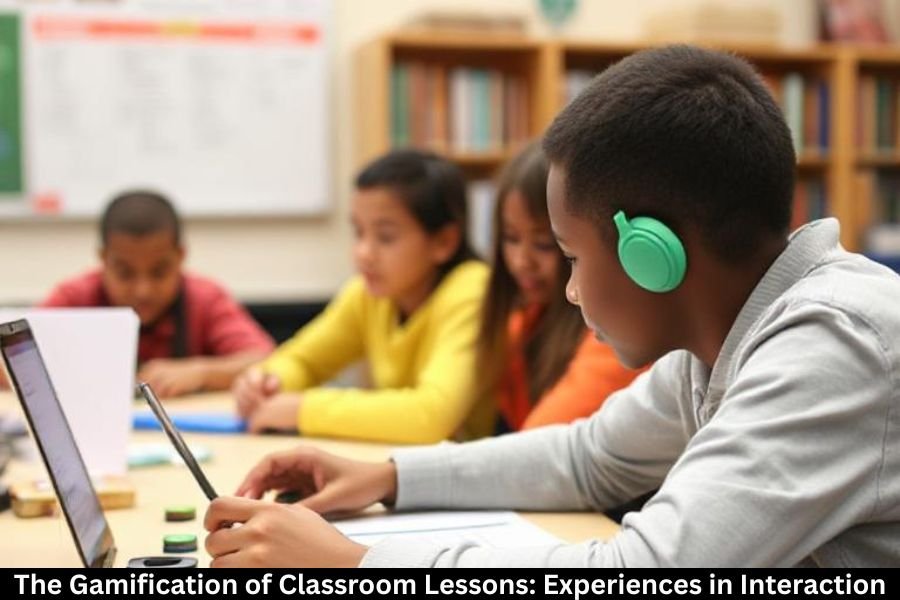
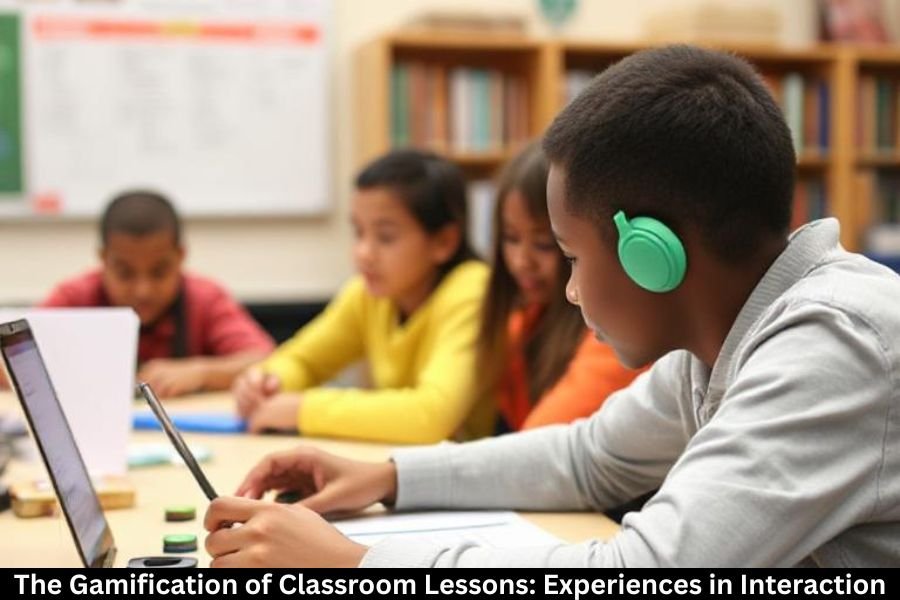
    Imagine walking into a classroom where students are excited, engaged, and eager to participate—not because there’s a test, but because learning feels like a game. That’s the magic of gamification in education. It transforms traditional lessons into interactive experiences that spark curiosity and motivation.

    What Is Gamification in the Classroom?

    Gamification is the use of game elements—like points, challenges, levels, and rewards—in non-game environments. In classrooms, it means turning lessons into interactive journeys where students actively participate rather than passively listen.

    Why Gamification Matters in Modern Learning

    Today’s students grow up with technology, games, and instant feedback. Gamification meets them where they are. It speaks their language, making learning more relatable, enjoyable, and effective.

    The Evolution of Traditional Teaching Methods

    From Chalkboards to Digital Classrooms

    Education has come a long way from chalk dust and rigid lectures. Smart boards, tablets, and online platforms have opened doors to dynamic teaching methods that encourage interaction.

    The Shift Toward Interactive Learning

    Students learn best by doing. Gamification supports this shift by promoting hands-on experiences where mistakes are part of the journey, not something to fear.

    Core Principles of Classroom Gamification

    Game Mechanics and Learning Objectives

    Successful gamification aligns game mechanics with educational goals. Points and levels should reinforce learning—not distract from it.

    Motivation, Rewards, and Progress Tracking

    Rewards provide instant feedback, while progress tracking keeps students aware of their growth. It’s like a roadmap that shows how far they’ve come.

    Intrinsic vs Extrinsic Motivation

    While badges and points motivate externally, the real goal is intrinsic motivation—learning because it’s enjoyable and meaningful.

    How Gamification Enhances Student Engagement

    Active Participation and Attention

    Gamified lessons turn students into active players. Instead of zoning out, they’re solving problems, collaborating, and competing in healthy ways.

    Reducing Learning Anxiety Through Play

    Games make failure feel safe. When mistakes are part of the game, students are more willing to try, explore, and learn.

    Types of Gamification Strategies in Classrooms

    Points, Badges, and Leaderboards

    These elements add excitement and structure. They reward effort, consistency, and improvement—not just high scores.

    Role-Playing and Simulation-Based Learning

    Role-playing allows students to step into different perspectives, making abstract concepts feel real and relatable.

    Storytelling and Narrative Learning

    A strong narrative pulls students in. When lessons feel like chapters in a story, curiosity naturally follows.

    Technology’s Role in Gamified Learning

    Educational Apps and Platforms

    Apps like quiz-based games and interactive simulations make learning flexible and accessible anywhere.

    Gamification Through Learning Management Systems

    Many LMS platforms now include gamified features like progress bars, achievements, and interactive quizzes.

    Teacher Experiences with Gamified Lessons

    Classroom Management Improvements

    Engaged students are easier to manage. Gamification reduces disruptions by keeping learners focused and involved.

    Teacher Creativity and Instructional Design

    Gamification encourages teachers to think creatively, designing lessons that feel fresh and exciting.

    Student Experiences and Interaction

    Collaboration and Peer Learning

    Team-based challenges foster communication and cooperation. Students learn from each other while working toward shared goals.

    Increased Confidence and Ownership of Learning

    When students track their progress, they feel more responsible for their learning journey.

    Gamification Across Different Subjects

    Gamifying Math and Science Lessons

    Quests, challenges, and simulations make problem-solving more engaging and less intimidating.

    Language, History, and Social Studies

    Games bring stories, cultures, and timelines to life, turning memorization into exploration.

    Gamification in Arts and Creative Subjects

    Creative challenges and interactive projects encourage expression and innovation.

    Benefits of Gamification in Classroom Lessons

    Improved Knowledge Retention

    When learning is fun, it sticks. Gamification enhances memory through repetition and engagement.

    Development of Critical Thinking Skills

    Games require strategy, analysis, and decision-making—skills essential beyond the classroom.

    Challenges and Limitations of Gamification

    Overemphasis on Rewards

    Too much focus on points can overshadow learning. Balance is essential.

    Time, Resources, and Training Barriers

    Effective gamification requires planning, tools, and teacher training, which can be challenging.

    Best Practices for Effective Classroom Gamification

    Aligning Games with Learning Goals

    Every game element should serve a clear educational purpose.

    Keeping Gamification Inclusive and Fair

    Design games that support diverse learning styles and abilities.

    Balancing Fun and Academic Rigor

    Fun should enhance learning, not replace it. The goal is meaningful engagement.

    Measuring the Impact of Gamified Learning

    Assessment and Feedback Methods

    Quizzes, reflections, and performance data help measure effectiveness.

    Student Performance and Engagement Metrics

    Tracking participation and progress offers insights into what works best.

    The Future of Gamification in Education

    AI, VR, and Immersive Learning

    Emerging technologies promise even deeper, more personalized learning experiences.

    Personalized Gamified Learning Paths

    Adaptive systems tailor challenges to individual student needs and pace.

    Conclusion

    Gamification as a Powerful Tool for Interaction

    Gamification isn’t about turning school into a playground—it’s about making learning interactive, meaningful, and human. When used thoughtfully, it transforms classrooms into vibrant spaces where curiosity thrives and students actively engage with knowledge.

    FAQs

    1. Is gamification suitable for all age groups?

    Yes, gamification can be adapted for learners of all ages with age-appropriate strategies.

    2. Does gamification replace traditional teaching?

    No, it complements traditional methods by enhancing engagement and interaction.

    3. Can gamification improve academic performance?

    When aligned with learning goals, it can significantly boost motivation and retention.

    4. What tools are commonly used for classroom gamification?

    Educational apps, LMS platforms, quizzes, simulations, and role-playing activities.

    5. What is the biggest mistake in classroom gamification?

    Focusing too much on rewards instead of meaningful learning experiences.

  • Jade Plant Care – The Ultimate Guide for a Flourishing Succulent Beauty

    Jade Plant Care – The Ultimate Guide for a Flourishing Succulent Beauty

    If there’s one houseplant that perfectly balances beauty and simplicity, it’s the jade plant. Tough yet elegant, low-maintenance yet rewarding—this succulent is like that reliable friend who always shows up looking good without trying too hard. Whether you’re a beginner or a seasoned plant lover, jade plant care is refreshingly straightforward once you understand its rhythm.

    What Is a Jade Plant?

    The jade plant, scientifically known as Crassula ovata, is a succulent native to South Africa. It’s known for its thick, glossy, oval-shaped leaves and sturdy, tree-like stems. These fleshy leaves store water, making the plant drought-tolerant and forgiving if you forget a watering or two.

    Why Jade Plants Are So Popular

    Jade plants are loved for their longevity, symbolism, and adaptability. They can live for decades, grow into stunning mini trees, and are often passed down through generations. Plus, they’re said to bring luck and prosperity—who wouldn’t want that sitting on their windowsill?

    Types of Jade Plants You Should Know

    Crassula Ovata (Classic Jade)

    This is the most common variety. Thick green leaves, woody stems, and a classic bonsai-like look make it a favorite for homes and offices.

    Variegated Jade Plant

    This beauty features green leaves edged with creamy white or yellow. It’s slightly slower-growing but adds a bright, decorative touch.

    Gollum and Hobbit Jade

    These quirky varieties have tubular, finger-like leaves that look straight out of a fantasy novel. They’re conversation starters and just as easy to care for.

    How to Choose the Right Jade Plant

    Choose a jade plant with firm leaves, strong stems, and no signs of mushiness or discoloration. Healthy plants bounce back faster and grow better long-term.

    Benefits of Growing a Jade Plant

    Symbolism and Feng Shui Benefits

    In Feng Shui, jade plants symbolize wealth, luck, and positive energy. They’re often placed near entrances or workspaces to invite prosperity.

    Air-Purifying and Wellness Value

    While not the strongest air purifier, jade plants contribute to better indoor air quality and add calming greenery that reduces stress.

    Ideal Growing Conditions for Jade Plants

    Light Requirements for Healthy Growth

    Jade plants love bright, indirect sunlight. A south- or west-facing window is perfect. Too little light leads to leggy growth, while harsh direct sun can scorch the leaves.

    Best Temperature and Humidity Levels

    They thrive in temperatures between 65–75°F (18–24°C). Average household humidity is just fine—no misting required.

    Jade Plant Soil Requirements

    Best Soil Mix for Jade Plants

    Well-draining soil is non-negotiable. A cactus or succulent mix works perfectly, preventing excess moisture around the roots.

    DIY Soil Mix vs Store-Bought Options

    You can mix regular potting soil with sand or perlite for better drainage, but store-bought succulent mixes save time and guesswork.

    How to Water a Jade Plant Properly

    Understanding Overwatering vs Underwatering

    Overwatering is the number one jade plant killer. Let the soil dry out completely between waterings. If in doubt, wait—jade plants prefer dry roots over soggy ones.

    Seasonal Watering Schedule

    Water more during spring and summer when the plant is actively growing. Reduce watering significantly in fall and winter.

    Fertilizing Jade Plants for Optimal Growth

    Best Fertilizers for Succulents

    Use a balanced, water-soluble fertilizer diluted to half strength. Succulent-specific fertilizers work best.

    How Often Should You Fertilize?

    Once every 2–3 months during the growing season is enough. Skip fertilizing in winter.

    Pruning and Shaping Your Jade Plant

    When and Why to Prune

    Pruning encourages branching and helps maintain shape. The best time to prune is spring or early summer.

    Encouraging a Tree-Like Shape

    Remove leggy growth and trim back stems to promote a thick trunk and balanced canopy.

    Repotting a Jade Plant

    Signs Your Jade Plant Needs Repotting

    Roots growing out of drainage holes, slow growth, or a top-heavy plant are clear signs it’s time to repot.

    Step-by-Step Repotting Guide

    Choose a slightly larger pot with drainage holes, refresh the soil, and allow the plant to settle before watering again.

    Propagating Jade Plants

    Leaf Propagation Method

    Simply place a healthy leaf on dry soil and wait. Roots and tiny plants will form in a few weeks.

    Stem Cutting Propagation

    Cut a healthy stem, let it callous, then plant it in dry soil. This method is faster and more reliable.

    Common Jade Plant Problems

    Yellow Leaves and Leaf Drop

    Usually caused by overwatering or sudden temperature changes. Adjust care and remove affected leaves.

    Root Rot and Mushy Stems

    This is a sign of prolonged overwatering. Act fast—trim damaged roots and repot in dry soil.

    Pest Problems and Solutions

    Mealybugs and spider mites are common. Use neem oil or insecticidal soap to treat infestations.

    Jade Plant Care Indoors vs Outdoors

    Indoor Jade Plant Care Tips

    Rotate the plant for even growth and keep it near bright windows.

    Outdoor Growing Considerations

    Jade plants can thrive outdoors in warm climates but must be protected from frost and heavy rain.

    Seasonal Jade Plant Care Guide

    Summer and Spring Care

    This is growth season—provide light, water moderately, and fertilize occasionally.

    Fall and Winter Dormancy Care

    Reduce watering, stop fertilizing, and let the plant rest.

    How to Make Your Jade Plant Thrive Long-Term

    Growth Tips from Experienced Gardeners

    Consistency is key. Stable light, proper watering, and patience lead to stunning results.

    Mistakes to Avoid

    Avoid frequent watering, poor drainage, and sudden environmental changes.

    Conclusion

    Growing a Jade Plant Is Easier Than You Think

    Jade plant care is all about balance—light but not too harsh, water but not too much, care without overdoing it. Treat it right, and this resilient succulent will reward you with years of beauty, growth, and maybe even a little good fortune.

    FAQs

    1. How often should I water my jade plant?

    Only when the soil is completely dry, usually every 2–3 weeks depending on the season.

    2. Can jade plants survive low light?

    They can survive but won’t thrive. Bright indirect light is ideal.

    3. Why are my jade plant leaves falling off?

    Overwatering, temperature shock, or sudden light changes are common causes.

    4. Is jade plant toxic to pets?

    Yes, jade plants are toxic to cats and dogs if ingested.

    5. How long do jade plants live?

    With proper care, jade plants can live for decades and grow into large, beautiful specimens.

  • The Rise of Digital Detox: Why Your Brain Needs a Break from Screens

    The Rise of Digital Detox: Why Your Brain Needs a Break from Screens

    We live in a world where screens are everywhere—phones, laptops, tablets, TVs, smartwatches. They wake us up, keep us working, entertain us, and often put us to sleep. Sounds convenient, right? But there’s a catch. Our brains are exhausted. That’s where digital detox comes in.

    What Is Digital Detox?

    Digital detox simply means intentionally reducing or eliminating screen time for a certain period to restore mental balance. It’s like giving your brain a vacation from constant pings, notifications, and endless scrolling.

    Why Digital Detox Is Trending Globally

    People are realizing that being constantly “online” doesn’t equal being productive or happy. Burnout, anxiety, and mental fatigue are pushing individuals toward screen-free moments, weekends, and even vacations.

    The Screen-Saturated World We Live In

    Average Daily Screen Time Statistics

    The average adult spends over 7 hours a day staring at screens. That’s nearly half your waking life. Kids and teens aren’t far behind, often logging even more hours.

    How Screens Have Taken Over Daily Life

    Work and Productivity

    Emails, Slack messages, Zoom calls—work never really ends anymore. Screens blur the boundary between professional and personal life.

    Entertainment and Leisure

    Netflix binges, TikTok loops, YouTube rabbit holes. Entertainment has become passive and endless.

    Social Connections

    Ironically, social media connects us digitally while distancing us emotionally from real-life interactions.

    How Excessive Screen Time Affects the Brain

    Dopamine, Notifications, and Addiction

    Every notification gives your brain a dopamine hit—the same chemical linked to addiction. Over time, your brain craves constant stimulation.

    Reduced Attention Span

    Scrolling trains your brain to seek instant gratification. Long tasks? Deep focus? They suddenly feel impossible.

    Mental Fatigue and Cognitive Overload

    Your brain wasn’t designed to process endless information streams. Too much input leads to exhaustion and decision fatigue.

    Psychological Impacts of Constant Screen Exposure

    Anxiety and Stress

    Being constantly available creates pressure. Your brain never truly rests.

    Depression and Emotional Burnout

    Comparing your life to curated online highlights can quietly drain your self-esteem and happiness.

    Sleep Disorders and Blue Light Exposure

    Blue light suppresses melatonin, disrupting your sleep cycle. Poor sleep equals poor mental health.

    Physical Effects of Too Much Screen Time

    Eye Strain and Vision Problems

    Dry eyes, blurry vision, headaches—your eyes are begging for a break.

    Poor Posture and Tech Neck

    Hunched shoulders and bent necks are becoming the new normal, leading to chronic pain.

    Headaches and Migraines

    Long screen exposure strains your eyes and nervous system, triggering frequent headaches.

    Social Consequences of Digital Overload

    Reduced Face-to-Face Interaction

    When screens dominate, meaningful conversations shrink.

    Social Media Comparison Trap

    Comparing behind-the-scenes reality to highlight reels creates dissatisfaction.

    Loneliness in a Hyperconnected World

    Paradoxically, more connection can mean less intimacy.

    What Happens to Your Brain During a Digital Detox

    Improved Focus and Clarity

    Without constant distractions, your brain regains its ability to focus deeply.

    Emotional Regulation and Calmness

    Less stimulation leads to emotional balance and reduced stress.

    Creativity and Deep Thinking

    Boredom sparks creativity. Your best ideas often appear when screens disappear.

    Science-Backed Benefits of Digital Detox

    Better Sleep Quality

    Reduced blue light exposure helps reset your natural sleep rhythm.

    Increased Productivity

    Focused work beats multitasking every time.

    Enhanced Memory and Learning

    Your brain processes and retains information better when it’s not overloaded.

    Signs You Need a Digital Detox

    Constant Phone Checking

    If your phone is the first and last thing you see daily, it’s time.

    Feeling Overwhelmed or Distracted

    Mental fog is a clear warning sign.

    Difficulty Relaxing Without Screens

    If silence feels uncomfortable, your brain needs rest.

    Types of Digital Detox

    Short-Term Detox (24–72 Hours)

    A weekend break can work wonders.

    Weekend or Vacation Detox

    Disconnecting while traveling enhances experiences.

    Daily Micro-Detox Habits

    No-phone mornings or screen-free meals go a long way.

    How to Start a Digital Detox Successfully

    Set Clear Goals and Boundaries

    Decide what you want to reduce and why.

    Create Screen-Free Zones

    Bedrooms and dining areas are great places to start.

    Replace Screen Time with Healthy Habits

    Read, walk, journal, or simply do nothing.

    Digital Detox at Work and Home

    Managing Emails and Notifications

    Turn off non-essential notifications. The world won’t end.

    Encouraging Family-Wide Detox Practices

    Make it a shared challenge instead of a punishment.

    Common Myths About Digital Detox

    “I’ll Fall Behind Without My Phone”

    You won’t. You’ll likely catch up on life instead.

    “Digital Detox Means Quitting Technology Forever”

    Nope. It’s about balance, not extremes.

    Balancing Technology Without Quitting It

    Mindful Technology Use

    Use tech intentionally, not impulsively.

    Building a Healthy Digital Relationship

    Control your tools—don’t let them control you.

    The Future of Digital Detox Culture

    Tech Companies Promoting Screen Wellness

    Ironically, even tech giants now offer screen-time controls.

    Digital Wellbeing Trends

    Wellness-focused apps and offline retreats are booming.

    Conclusion

    Digital detox isn’t about rejecting technology—it’s about reclaiming your mind. Screens are powerful tools, but without boundaries, they drain our focus, creativity, and peace. Giving your brain regular breaks isn’t a luxury anymore; it’s a necessity. Start small, stay consistent, and watch how clarity, calmness, and joy quietly return.

    FAQs

    1. How long should a digital detox last?

    It can range from a few hours daily to several days, depending on your lifestyle.

    2. Is digital detox suitable for everyone?

    Yes, especially anyone feeling overwhelmed or mentally fatigued.

    3. Can digital detox improve mental health?

    Absolutely. It reduces stress, anxiety, and improves emotional balance.

    4. Do I need to quit social media completely?

    No. Limiting usage mindfully is enough.

    5. What’s the easiest way to start a digital detox?

    Turn off unnecessary notifications and avoid screens before bedtime.

  • Microlearning: The 10-Minute Habit to Master Any Skill

    Microlearning: The 10-Minute Habit to Master Any Skill

    Let’s be honest—most of us want to learn new skills, but time always seems to slip through our fingers. Long courses feel overwhelming, books collect dust, and motivation fades fast. That’s where microlearning steps in like a friendly nudge instead of a loud alarm. It’s learning that fits into real life.

    What Is Microlearning?

    Microlearning is exactly what it sounds like—learning in small, focused chunks. Instead of sitting down for hours, you spend just 5–10 minutes learning one specific concept or practicing one skill. Think of it like snacking instead of eating a huge meal. Easier to digest, right?

    Why Attention Spans Are Shrinking

    We live in a world of notifications, reels, and constant scrolling. Long attention spans are becoming rare. Microlearning works with our brains instead of fighting them, delivering value before distraction kicks in.

    The Science Behind Microlearning

    How the Brain Processes Small Information Bites

    Our brains love clarity and focus. When you learn one small thing at a time, your brain processes it more efficiently. There’s less confusion, less overload, and better understanding.

    Memory Retention and Spaced Learning

    Microlearning naturally supports spaced repetition—revisiting information over time. This strengthens memory pathways and helps knowledge stick longer.

    Cognitive Load Theory Explained Simply

    Your brain can only handle so much at once. Microlearning keeps cognitive load light, allowing deeper understanding without mental exhaustion.

    Why the 10-Minute Habit Works

    Consistency Over Intensity

    Ten minutes a day beats two hours once a month. Small, daily actions compound into massive results—just like saving money or working out.

    Building Learning Momentum Daily

    Once you start showing up every day, learning becomes automatic. It stops feeling like a chore and starts feeling like a habit.

    Microlearning vs Traditional Learning

    Long Study Sessions vs Short Learning Bursts

    Traditional learning often demands long focus and high energy. Microlearning respects reality—energy fluctuates, schedules change, and life happens.

    Which One Works Better and Why

    Microlearning wins for retention, flexibility, and motivation. Traditional learning still has its place, but microlearning keeps you moving forward consistently.

    Benefits of Microlearning

    Improved Focus and Engagement

    Short lessons mean less boredom and more attention. You stay present because the finish line is close.

    Faster Skill Acquisition

    By focusing on one skill at a time, you avoid overwhelm and see progress faster.

    Reduced Burnout and Stress

    No cramming. No guilt. Just steady progress without mental fatigue.

    Real-Life Examples of Microlearning

    Language Learning in 10 Minutes a Day

    One new word set. One grammar rule. One short conversation. Over time, fluency grows naturally.

    Microlearning for Professional Skills

    From coding to public speaking, microlearning helps professionals upskill without sacrificing work-life balance.

    Fitness, Music, and Creative Skills

    Practice one chord, one move, or one technique a day. Mastery sneaks up on you.

    Microlearning in the Digital Age

    Mobile Learning and On-the-Go Education

    Smartphones turned spare moments into learning opportunities—waiting in line becomes productive time.

    Apps, Videos, and Bite-Sized Content

    Short videos, podcasts, and interactive apps are built perfectly for microlearning.

    How Microlearning Helps Busy People

    Learning with a Full-Time Job

    Ten minutes before work or during a break adds up fast without draining energy.

    Microlearning for Students and Parents

    Microlearning adapts to unpredictable schedules and limited free time.

    Designing an Effective Microlearning Routine

    Setting Clear and Achievable Goals

    Focus on one outcome at a time. Clear goals keep microlearning purposeful.

    Choosing the Right Learning Format

    Video, audio, reading, or practice—pick what fits your style.

    Tracking Progress in Small Steps

    Seeing progress, even tiny wins, fuels motivation.

    Microlearning Techniques That Actually Work

    Flashcards and Retrieval Practice

    Actively recalling information strengthens memory better than passive reading.

    Micro-Challenges and Quizzes

    Short challenges turn learning into a game and reinforce understanding.

    Teaching What You Learn

    Explaining concepts to others locks knowledge in place.

    Common Mistakes in Microlearning

    Consuming Without Practicing

    Watching without doing leads nowhere. Action matters.

    Lack of Structure and Direction

    Random learning doesn’t compound. A clear path makes all the difference.

    Microlearning for Skill Mastery

    From Beginner to Advanced with Small Wins

    Every expert was once a beginner who showed up daily.

    Compounding Knowledge Over Time

    Small lessons stack up like bricks, building solid expertise.

    Microlearning in the Workplace

    Corporate Training and Upskilling

    Companies use microlearning to train employees faster and more effectively.

    Improving Employee Performance

    Quick refreshers boost confidence and reduce mistakes.

    The Future of Microlearning

    AI-Powered Personalized Learning

    AI adapts lessons to your pace, strengths, and gaps.

    Microlearning and Lifelong Education

    Learning never stops—and microlearning makes it sustainable.

    Conclusion

    Small Lessons, Big Results

    Microlearning proves that you don’t need hours a day to master a skill. Just ten focused minutes, repeated consistently, can transform how you learn and grow. It’s not about doing more—it’s about doing smarter.

    FAQs

    1. Can microlearning really help master complex skills?

    Yes. Complex skills are built from simple components learned over time.

    2. How many minutes a day is ideal for microlearning?

    Anywhere from 5 to 15 minutes is effective if done consistently.

    3. Is microlearning suitable for children?

    Absolutely. Short lessons align perfectly with young attention spans.

    4. Does microlearning replace deep learning?

    No, it complements deep learning by building strong foundations.

    5. What’s the best way to start microlearning today?

    Choose one skill, one resource, and commit to 10 minutes a day.