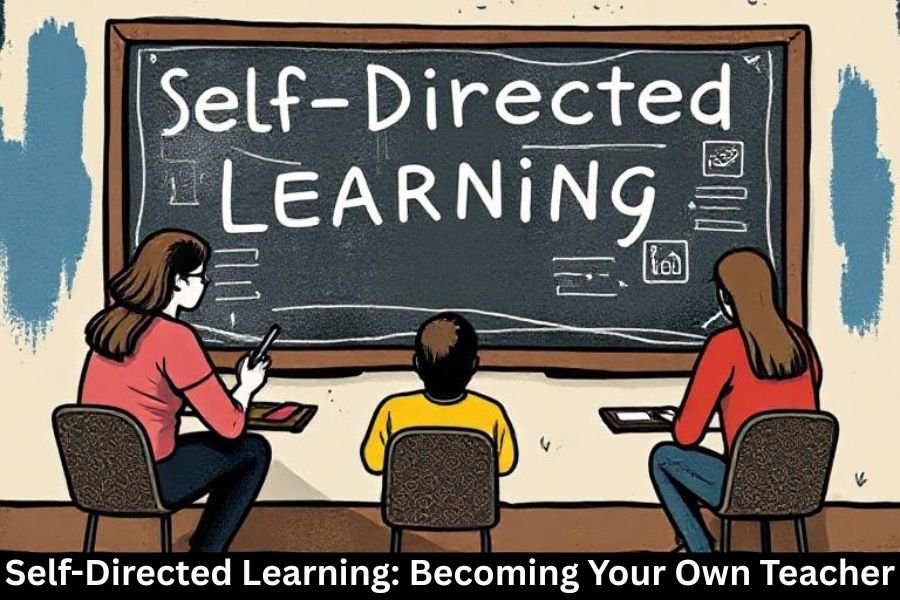
Self-directed learning is exactly what it sounds like—you take charge of your own education. Instead of waiting for a teacher, syllabus, or classroom, you decide what to learn, how to learn, and when to learn. You become both the student and the teacher. It’s like being the driver of your own learning journey instead of just a passenger.
Why Self-Directed Learning Matters Today
The world changes fast. Skills become outdated almost overnight. Self-directed learning helps you stay relevant, adaptable, and curious. In an age where information is everywhere, knowing how to learn matters more than what you learn.
The Shift from Traditional Learning to Self-Directed Learning
Limitations of Traditional Education
Traditional education often follows a one-size-fits-all model. Same pace, same content, same testing. But not everyone learns the same way. Many students memorize information just to pass exams—and forget it soon after.
Rise of Lifelong Learning
Self-directed learning supports lifelong learning. It recognizes that education doesn’t end with a degree. Learning becomes a continuous process, woven into everyday life.
The Core Principles of Self-Directed Learning
Ownership of Learning
When you own your learning, motivation comes from within. You’re not learning because you have to—you’re learning because you want to.
Curiosity and Motivation
Curiosity fuels self-directed learning. It’s that inner “why” that pushes you to explore new topics and ask better questions.
Responsibility and Discipline
Freedom comes with responsibility. Self-directed learners learn to manage their time, stay focused, and follow through.
Benefits of Becoming Your Own Teacher
Personalized Learning Pace
No rushing. No lagging behind. You learn at your own speed, revisiting topics until they make sense.
Skill-Based and Practical Knowledge
Self-directed learning focuses on real-world skills. You learn what’s useful, not just what’s required.
Increased Confidence and Independence
Each milestone builds confidence. You realize you can teach yourself anything—and that’s empowering.
Who Can Practice Self-Directed Learning?
Students
Students can use self-directed learning to explore interests beyond textbooks and boost academic performance.
Professionals
Professionals use it to upskill, switch careers, or stay competitive in fast-changing industries.
Lifelong Learners
Anyone curious about life—regardless of age—can practice self-directed learning.
Key Skills Needed for Self-Directed Learning
Goal Setting
Clear goals give direction. Without goals, learning becomes random and unfocused.
Time Management
Learning requires consistency. Managing time effectively makes learning sustainable.
Critical Thinking
Not all information is accurate. Critical thinking helps you evaluate sources and ideas.
Self-Assessment
Regular reflection helps you understand what’s working and what needs adjustment.
How to Start Self-Directed Learning
Identifying Learning Goals
Start with one question: What do I want to learn—and why? Clear intent leads to meaningful learning.
Creating a Learning Plan
Break big goals into small steps. Think of it as a roadmap, not a rigid schedule.
Choosing the Right Resources
Pick resources that match your learning style—videos, books, courses, or hands-on practice.
Best Resources for Self-Directed Learning
Online Courses and Platforms
Online platforms offer structured learning with flexibility and expert guidance.
Books and Audiobooks
Books provide depth. Audiobooks let you learn on the go.
Podcasts and Videos
Perfect for bite-sized learning and inspiration.
Communities and Mentors
Learning is faster when shared. Communities offer support, feedback, and motivation.
Technology and Self-Directed Learning
Learning Apps and Tools
Apps help with habit tracking, note-taking, and skill-building.
AI and Personalized Learning
AI tools personalize learning paths, making education more efficient and adaptive.
Challenges in Self-Directed Learning
Lack of Motivation
Without deadlines, procrastination can creep in.
Information Overload
Too many choices can lead to confusion instead of clarity.
Consistency Issues
Starting is easy. Staying consistent is harder.
Overcoming Common Obstacles
Building Learning Habits
Small daily habits beat occasional intense sessions.
Staying Accountable
Accountability partners or public goals help maintain momentum.
Measuring Progress
Track progress to stay motivated and adjust your approach.
Self-Directed Learning vs Formal Education
Key Differences
Formal education is structured and guided. Self-directed learning is flexible and self-driven.
Can They Work Together?
Absolutely. They complement each other when used wisely.
Self-Directed Learning for Career Growth
Learning In-Demand Skills
You can target skills employers actually need.
Upskilling and Reskilling
Self-directed learning makes career transitions smoother and faster.
Teaching Children Self-Directed Learning
Encouraging Curiosity
Let children ask questions and explore freely.
Letting Kids Take Ownership
Guide them—but don’t control their learning.
Real-Life Examples of Self-Directed Learners
Entrepreneurs and Innovators
Many successful innovators are self-taught learners.
Everyday Success Stories
From career changers to hobbyists, self-directed learning transforms lives.
The Future of Self-Directed Learning
Education Beyond Classrooms
Learning is moving beyond classrooms into homes, workplaces, and online spaces.
Lifelong Learning as a Lifestyle
Learning won’t be a phase—it’ll be a way of life.
Conclusion: Empowering Yourself Through Learning
Self-directed learning is about freedom, growth, and confidence. When you become your own teacher, learning never stops—and neither do you. In a world that never stands still, the ability to learn independently is the ultimate superpower.
FAQs
1. Is self-directed learning suitable for beginners?
Yes, beginners can start small and build confidence gradually.
2. How much time should I dedicate to self-directed learning?
Even 20–30 minutes a day can make a big difference.
3. Do I need certifications for self-directed learning?
Not always. Skills and experience often matter more.
4. How do I stay motivated without deadlines?
Set personal goals, track progress, and reward yourself.
5. Can self-directed learning replace formal education?
It can complement or enhance it, but both have their place.