
Category: Business

  • Why Consider Training and Development for Your Employees First

    Why Consider Training and Development for Your Employees First

    Think of training and development as the fuel that keeps your business engine running smoothly. Training focuses on equipping employees with specific skills they need right now, while development is about preparing them for future roles and responsibilities. Together, they create a workforce that’s capable, confident, and ready to grow.

    Why This Topic Matters More Than Ever

    In today’s fast-paced business world, standing still is the same as moving backward. Companies that prioritize employee training and development stay competitive, innovative, and resilient. If your people grow, your business grows—it’s that simple.

    The Changing Workplace Landscape

    Rapid Technological Advancements

    Technology evolves faster than ever. New tools, software, and systems pop up constantly. Without regular training, employees can quickly fall behind, like trying to use an old map in a city full of new roads.

    Evolving Employee Expectations

    Modern employees don’t just want a paycheck. They want purpose, growth, and learning opportunities. Training and development have become non-negotiables for attracting and retaining top talent.

    The Rise of Lifelong Learning

    Learning is no longer confined to classrooms or early careers. Today’s workforce expects continuous learning, and organizations that support it earn long-term loyalty.

    Training vs. Development: Understanding the Difference

    Short-Term Skill Training

    Training is tactical. It focuses on immediate job-related skills—think software tutorials, safety procedures, or compliance training.

    Long-Term Employee Development

    Development is strategic. It prepares employees for future challenges, leadership roles, and career progression. It’s like planting a tree instead of buying firewood.

    The Business Case for Training Employees First

    Boosting Productivity and Performance

    Well-trained employees work smarter, not harder. They make fewer mistakes, complete tasks faster, and deliver higher-quality results.

    Improving Quality and Efficiency

    When employees know what they’re doing, processes become smoother. Training eliminates guesswork and builds consistency across teams.

    Employee Retention and Loyalty

    How Learning Opportunities Reduce Turnover

    Employees are far less likely to leave a company that invests in their growth. Training signals commitment, and commitment breeds loyalty.

    Training as a Sign of Investment

    Would you stay where you feel undervalued? Probably not. Training shows employees they matter, and that feeling goes a long way.

    Building a Strong Company Culture

    Encouraging Growth Mindsets

    Training promotes curiosity and continuous improvement. It creates a culture where learning is celebrated, not feared.

    Creating Engaged Teams

    Engaged employees are motivated, collaborative, and enthusiastic. Training gives them the tools to contribute meaningfully.

    Closing Skill Gaps Internally

    Identifying Skill Gaps

    Skill gaps are inevitable, but they don’t have to be deal-breakers. Training helps you spot and close those gaps before they become problems.

    Upskilling vs. Hiring New Talent

    Hiring externally is expensive and risky. Upskilling existing employees is faster, cheaper, and builds internal trust.

    Cost-Effectiveness of Training and Development

    Reducing Recruitment Costs

    Recruitment fees, onboarding, and lost productivity add up quickly. Training minimizes these costs by developing talent from within.

    Maximizing Existing Talent

    Your employees already understand your business. Training unlocks their full potential without starting from scratch.

    Enhancing Employee Confidence and Morale

    Empowerment Through Knowledge

    Knowledge is power. Training empowers employees to make decisions, solve problems, and take initiative.

    Confidence Leads to Innovation

    Confident employees aren’t afraid to share ideas or try new approaches. That’s where innovation thrives.

    Leadership Development from Within

    Preparing Future Leaders

    Leadership training builds a pipeline of capable managers who understand your culture and values.

    Succession Planning Made Easy

    When leaders leave, trained successors step in seamlessly. No panic. No disruption.

    Adaptability and Change Management

    Training for Organizational Agility

    Change is inevitable. Training helps employees adapt quickly and stay productive during transitions.

    Thriving During Change

    Instead of resisting change, trained employees embrace it, turning challenges into opportunities.

    Improving Customer Satisfaction

    Well-Trained Employees Deliver Better Service

    Customers notice competence. Trained employees provide faster, friendlier, and more effective service.

    Consistency in Customer Experience

    Training ensures everyone delivers the same high-quality experience, every time.

    Supporting Diversity, Equity, and Inclusion

    Equal Access to Growth Opportunities

    Training levels the playing field, giving everyone a fair chance to grow and succeed.

    Inclusive Learning Environments

    Inclusive training fosters understanding, collaboration, and respect across diverse teams.

    Measuring the Impact of Training Programs

    Key Metrics to Track

    Productivity, engagement, retention, and performance metrics reveal training effectiveness.

    Continuous Improvement

    Feedback and data help refine programs, ensuring they stay relevant and impactful.

    Common Challenges and How to Overcome Them

    Time and Budget Constraints

    Start small. Even short, focused training sessions can deliver big results.

    Employee Resistance

    Communicate benefits clearly and involve employees in the learning process.

    How to Get Started with Training and Development

    Assessing Training Needs

    Identify current skills, future goals, and gaps. Let data guide your decisions.

    Designing Effective Programs

    Blend online learning, workshops, and hands-on experience for maximum impact.

    Conclusion: Why Training and Development Should Come First

    Training and development aren’t optional—they’re essential. By prioritizing your employees’ growth, you build a stronger, more agile, and more successful organization. When you invest in people first, everything else falls into place.

    FAQs

    1. Why should companies prioritize training and development?

    Because skilled, confident employees drive productivity, innovation, and long-term success.

    2. Is training expensive for small businesses?

    Not necessarily. Many affordable and scalable training options deliver high ROI.

    3. How often should employee training be conducted?

    Training should be continuous, with regular updates based on business needs.

    4. Does training really improve employee retention?

    Yes. Employees stay longer where they see growth opportunities.

    5. What’s the difference between training and development?

    Training focuses on current skills; development prepares employees for future roles.
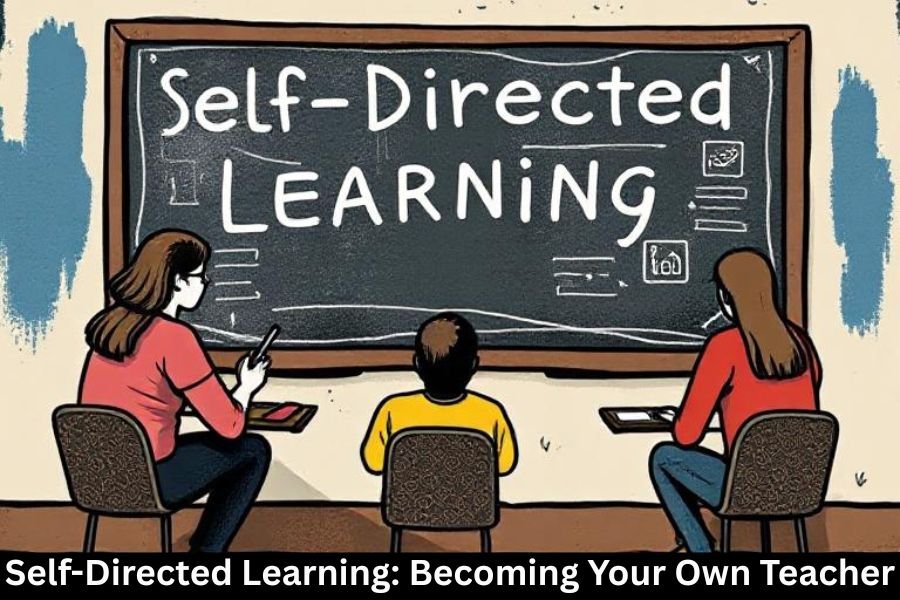
  • Self-Directed Learning: Becoming Your Own Teacher

    Self-Directed Learning: Becoming Your Own Teacher

    Self-directed learning is exactly what it sounds like—you take charge of your own education. Instead of waiting for a teacher, syllabus, or classroom, you decide what to learn, how to learn, and when to learn. You become both the student and the teacher. It’s like being the driver of your own learning journey instead of just a passenger.

    Why Self-Directed Learning Matters Today

    The world changes fast. Skills become outdated almost overnight. Self-directed learning helps you stay relevant, adaptable, and curious. In an age where information is everywhere, knowing how to learn matters more than what you learn.

    The Shift from Traditional Learning to Self-Directed Learning

    Limitations of Traditional Education

    Traditional education often follows a one-size-fits-all model. Same pace, same content, same testing. But not everyone learns the same way. Many students memorize information just to pass exams—and forget it soon after.

    Rise of Lifelong Learning

    Self-directed learning supports lifelong learning. It recognizes that education doesn’t end with a degree. Learning becomes a continuous process, woven into everyday life.

    The Core Principles of Self-Directed Learning

    Ownership of Learning

    When you own your learning, motivation comes from within. You’re not learning because you have to—you’re learning because you want to.

    Curiosity and Motivation

    Curiosity fuels self-directed learning. It’s that inner “why” that pushes you to explore new topics and ask better questions.

    Responsibility and Discipline

    Freedom comes with responsibility. Self-directed learners learn to manage their time, stay focused, and follow through.

    Benefits of Becoming Your Own Teacher

    Personalized Learning Pace

    No rushing. No lagging behind. You learn at your own speed, revisiting topics until they make sense.

    Skill-Based and Practical Knowledge

    Self-directed learning focuses on real-world skills. You learn what’s useful, not just what’s required.

    Increased Confidence and Independence

    Each milestone builds confidence. You realize you can teach yourself anything—and that’s empowering.

    Who Can Practice Self-Directed Learning?

    Students

    Students can use self-directed learning to explore interests beyond textbooks and boost academic performance.

    Professionals

    Professionals use it to upskill, switch careers, or stay competitive in fast-changing industries.

    Lifelong Learners

    Anyone curious about life—regardless of age—can practice self-directed learning.

    Key Skills Needed for Self-Directed Learning

    Goal Setting

    Clear goals give direction. Without goals, learning becomes random and unfocused.

    Time Management

    Learning requires consistency. Managing time effectively makes learning sustainable.

    Critical Thinking

    Not all information is accurate. Critical thinking helps you evaluate sources and ideas.

    Self-Assessment

    Regular reflection helps you understand what’s working and what needs adjustment.

    How to Start Self-Directed Learning

    Identifying Learning Goals

    Start with one question: What do I want to learn—and why? Clear intent leads to meaningful learning.

    Creating a Learning Plan

    Break big goals into small steps. Think of it as a roadmap, not a rigid schedule.

    Choosing the Right Resources

    Pick resources that match your learning style—videos, books, courses, or hands-on practice.

    Best Resources for Self-Directed Learning

    Online Courses and Platforms

    Online platforms offer structured learning with flexibility and expert guidance.

    Books and Audiobooks

    Books provide depth. Audiobooks let you learn on the go.

    Podcasts and Videos

    Perfect for bite-sized learning and inspiration.

    Communities and Mentors

    Learning is faster when shared. Communities offer support, feedback, and motivation.

    Technology and Self-Directed Learning

    Learning Apps and Tools

    Apps help with habit tracking, note-taking, and skill-building.

    AI and Personalized Learning

    AI tools personalize learning paths, making education more efficient and adaptive.

    Challenges in Self-Directed Learning

    Lack of Motivation

    Without deadlines, procrastination can creep in.

    Information Overload

    Too many choices can lead to confusion instead of clarity.

    Consistency Issues

    Starting is easy. Staying consistent is harder.

    Overcoming Common Obstacles

    Building Learning Habits

    Small daily habits beat occasional intense sessions.

    Staying Accountable

    Accountability partners or public goals help maintain momentum.

    Measuring Progress

    Track progress to stay motivated and adjust your approach.

    Self-Directed Learning vs Formal Education

    Key Differences

    Formal education is structured and guided. Self-directed learning is flexible and self-driven.

    Can They Work Together?

    Absolutely. They complement each other when used wisely.

    Self-Directed Learning for Career Growth

    Learning In-Demand Skills

    You can target skills employers actually need.

    Upskilling and Reskilling

    Self-directed learning makes career transitions smoother and faster.

    Teaching Children Self-Directed Learning

    Encouraging Curiosity

    Let children ask questions and explore freely.

    Letting Kids Take Ownership

    Guide them—but don’t control their learning.

    Real-Life Examples of Self-Directed Learners

    Entrepreneurs and Innovators

    Many successful innovators are self-taught learners.

    Everyday Success Stories

    From career changers to hobbyists, self-directed learning transforms lives.

    The Future of Self-Directed Learning

    Education Beyond Classrooms

    Learning is moving beyond classrooms into homes, workplaces, and online spaces.

    Lifelong Learning as a Lifestyle

    Learning won’t be a phase—it’ll be a way of life.

    Conclusion: Empowering Yourself Through Learning

    Self-directed learning is about freedom, growth, and confidence. When you become your own teacher, learning never stops—and neither do you. In a world that never stands still, the ability to learn independently is the ultimate superpower.

    FAQs

    1. Is self-directed learning suitable for beginners?

    Yes, beginners can start small and build confidence gradually.

    2. How much time should I dedicate to self-directed learning?

    Even 20–30 minutes a day can make a big difference.

    3. Do I need certifications for self-directed learning?

    Not always. Skills and experience often matter more.

    4. How do I stay motivated without deadlines?

    Set personal goals, track progress, and reward yourself.

    5. Can self-directed learning replace formal education?

    It can complement or enhance it, but both have their place.