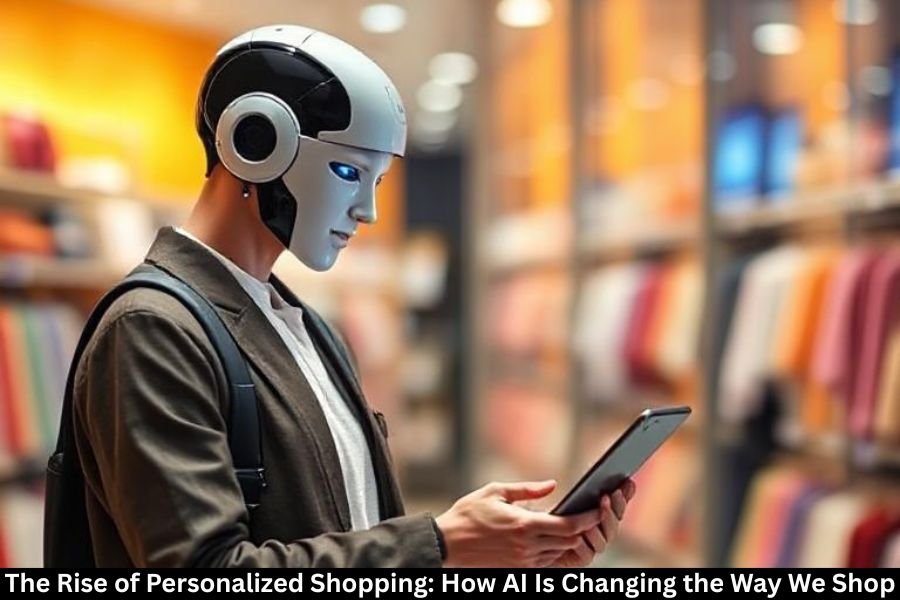
Shopping today looks nothing like it did a decade ago. Gone are the days of endless scrolling through irrelevant products or wandering aimlessly through stores hoping something catches your eye. Now, it often feels like the store knows you—what you like, what you need, and sometimes even what you’re about to buy next. That’s not magic. That’s artificial intelligence.
Personalized shopping powered by AI is quietly reshaping the retail world, turning generic experiences into tailor-made journeys. Let’s break down how this transformation is happening and what it means for shoppers like you.
Introduction to Personalized Shopping
What Is Personalized Shopping?
Personalized shopping is exactly what it sounds like—shopping experiences designed specifically for you. From product recommendations to special offers and even how a website looks when you open it, everything adapts to your preferences, behavior, and habits.
Why Personalization Matters More Than Ever
In a world flooded with choices, personalization acts like a helpful guide. Instead of overwhelming you with options, it narrows things down, saving time and reducing decision fatigue. It’s like having a personal shopper who never sleeps.
The Evolution of Shopping Experiences
Traditional Shopping vs Modern Digital Shopping
Traditional shopping relied heavily on guesswork. Retailers stocked products hoping they’d sell. Today, AI flips the script—retailers know what customers want before shelves are even filled.
From Mass Marketing to One-to-One Experiences
Mass marketing was like shouting into a crowd. AI-powered personalization is more like having a quiet, meaningful conversation with each customer individually.
Understanding Artificial Intelligence in Retail
What Is AI and Machine Learning?
AI refers to systems that can analyze data, learn from it, and make decisions with minimal human input.
How Algorithms Learn Consumer Behavior
Every click, search, and purchase teaches AI something new. Over time, it recognizes patterns and predicts what you’re likely to want next.
Key AI Technologies Used in Shopping
These include machine learning, natural language processing, computer vision, and predictive analytics—all working together behind the scenes.
How AI Collects and Uses Customer Data
Browsing Behavior and Purchase History
AI tracks what you view, what you skip, and what you buy to refine future recommendations.
Location, Device, and Time-Based Data
Shopping at night on your phone? Browsing from a different city? AI adjusts offers and suggestions accordingly.
Ethical Use of Customer Data
Responsible retailers anonymize data and give users control, ensuring personalization doesn’t cross into intrusion.
Personalized Product Recommendations
Recommendation Engines Explained
These engines analyze millions of data points to suggest products you’re most likely to love.
Examples of AI-Driven Recommendations
“Customers also bought,” “Recommended for you,” and “You might like”—these aren’t random. They’re AI at work.
Benefits for Shoppers and Brands
Shoppers discover relevant products faster, while brands enjoy higher conversions. It’s a win-win.
AI-Powered Search and Discovery
Visual Search Technology
Snap a photo, upload it, and AI finds similar products instantly. No words needed.
Voice Search and Smart Assistants
“Find me running shoes under $100.” Voice assistants are turning shopping into a conversation.
Predictive Search Results
AI anticipates what you’re searching for—even before you finish typing.
Personalized Pricing and Offers
Dynamic Pricing Models
Prices adjust in real time based on demand, location, and buying behavior.
Customized Discounts and Promotions
Ever notice a discount that feels just right? That’s AI tailoring offers to your likelihood of purchasing.
Loyalty Programs Enhanced by AI
Rewards now reflect individual preferences instead of one-size-fits-all perks.
AI in Online Shopping Experiences
Smart Homepages and Content Personalization
No two users see the same homepage anymore. AI rearranges content based on interests.
Personalized Email and Push Notifications
Fewer spammy messages, more relevant reminders.
AI Chatbots and Virtual Assistants
24/7 support that remembers your preferences and answers instantly.
AI in Physical Retail Stores
Smart Shelves and In-Store Analytics
AI tracks foot traffic and product interaction to optimize layouts.
Facial Recognition and Customer Insights
Used carefully, it helps understand customer demographics and preferences.
Omnichannel Personalization
Online behavior now influences in-store experiences—and vice versa.
Virtual Try-Ons and Augmented Reality
AR in Fashion and Beauty
Try on clothes, glasses, or makeup virtually before buying.
Reducing Returns Through Virtual Try-Ons
Better decisions mean fewer returns and happier customers.
Enhancing Customer Confidence
Seeing before buying builds trust and satisfaction.
Benefits of Personalized Shopping for Consumers
Time-Saving Convenience
Less searching, more finding.
More Relevant Choices
You see what matters to you—not everything.
Better Overall Shopping Experience
Shopping feels easier, smoother, and more enjoyable.
Benefits for Businesses and Retailers
Increased Sales and Conversions
Relevant recommendations drive action.
Improved Customer Loyalty
Personalized experiences keep customers coming back.
Data-Driven Decision Making
Retailers stock smarter and market better.
Challenges and Concerns of AI Personalization
Privacy and Data Security
Trust is essential. Transparency matters.
Over-Personalization Risks
Too much personalization can feel creepy instead of helpful.
Bias in AI Algorithms
Unchecked data can lead to unfair outcomes.
The Future of Personalized Shopping
Hyper-Personalization Trends
Experiences tailored down to mood and intent.
AI and Emotional Intelligence
AI learning to respond to emotions, not just behavior.
What Shoppers Can Expect Next
Smarter, faster, and more intuitive shopping journeys.
How Consumers Can Make the Most of AI Shopping
Managing Privacy Settings
Take control of your data preferences.
Using AI Tools to Save Money
Price trackers and deal alerts work in your favor.
Staying Informed and Aware
Knowledge helps you shop smarter.
Conclusion
AI isn’t replacing the joy of shopping—it’s refining it. Personalized shopping turns chaos into clarity, helping you find what you love with less effort and more confidence. As AI continues to evolve, shopping will feel less like a chore and more like a conversation. One that actually listens.
FAQs
1. Is personalized shopping safe?
Yes, as long as retailers follow ethical data practices and users manage privacy settings.
2. How does AI know what I like?
By analyzing your browsing habits, purchases, and interactions over time.
3. Can I turn off personalization?
Most platforms allow you to adjust or disable personalization settings.
4. Does AI personalization increase prices?
Not necessarily—it often helps shoppers find better deals.
5. Will AI replace human shopping assistants?
No, it enhances human roles rather than replacing them.