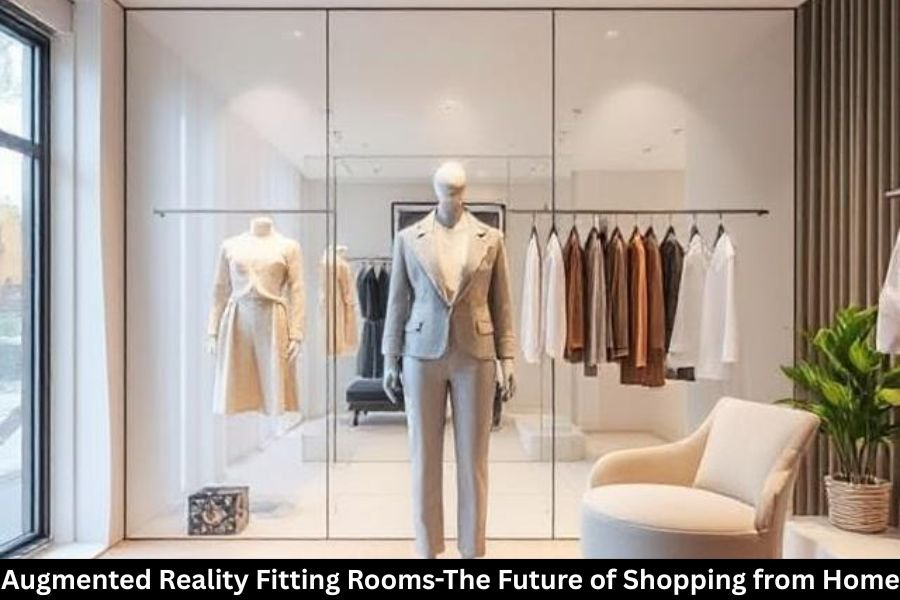
Online shopping has come a long way, but let’s be honest—it still has its flaws. Ever ordered clothes online that looked amazing on the model but terrible on you? That frustration is exactly why augmented reality fitting rooms are changing the game.
What Is Augmented Reality (AR)?
Augmented Reality blends digital elements with the real world. Instead of replacing reality, it enhances it. Think of it like trying on clothes through your phone camera while still standing in your bedroom. Cool, right?
How AR Is Transforming Online Retail
AR turns passive scrolling into an interactive experience. It allows shoppers to see products on themselves before buying, making online shopping feel more human and less risky.
What Are Augmented Reality Fitting Rooms?
How Virtual Try-Ons Work
AR fitting rooms use your smartphone, tablet, or webcam to overlay digital clothing or accessories onto your body in real time. It’s like a digital dressing room—minus the awkward lighting.
AR Mirrors vs Mobile AR Apps
AR mirrors are often used in physical stores, while mobile AR apps bring the fitting room straight to your couch. Both serve the same purpose: helping you visualize before you buy.
Why Traditional Online Shopping Falls Short
The Fit and Size Problem
Sizes vary wildly across brands. A “medium” in one store could be a “large” in another. Without trying it on, buying clothes online feels like a gamble.
High Return Rates and Customer Frustration
Ill-fitting products lead to returns, refunds, and disappointment. It’s bad for shoppers, retailers, and the environment.
How AR Fitting Rooms Solve These Problems
Accurate Size Visualization
AR fitting rooms show how clothing fits your body, not a generic model. This helps you choose the right size with confidence.
Real-Time Product Interaction
You can turn, move, and see how fabric flows. It’s the closest thing to a real fitting room—without the queue.
The Technology Behind AR Fitting Rooms
AI, Computer Vision, and 3D Modeling
Artificial intelligence analyzes body shapes, while 3D models replicate how garments behave in real life. It’s fashion meeting science.
Body Scanning and Motion Tracking
Advanced AR tracks your movements, ensuring clothes move naturally with your body. It’s like having a digital tailor.
Benefits of AR Fitting Rooms for Shoppers
Confidence in Buying Decisions
When you know how something will look, hesitation disappears. AR removes doubt and boosts confidence.
Convenience and Time Savings
No more dressing rooms, no more returns. Try dozens of outfits in minutes—right from home.
Benefits of AR Fitting Rooms for Brands and Retailers
Reduced Product Returns
Better buying decisions mean fewer returns, saving money and reducing waste.
Higher Customer Engagement
Interactive shopping keeps customers on websites longer and increases conversion rates.
AR Fitting Rooms in Fashion and Apparel
Virtual Clothing Try-Ons
From dresses to jackets, AR lets shoppers see full outfits without touching a hanger.
Accessories, Shoes, and Eyewear
Trying sunglasses, shoes, or jewelry virtually is already becoming mainstream—and customers love it.
AR Fitting Rooms Beyond Fashion
Beauty and Cosmetics Try-Ons
Test lipstick shades, foundation tones, or hairstyles virtually before buying. No mess, no regret.
Furniture and Home Décor Visualization
AR also helps shoppers place furniture in their homes digitally, ensuring it fits and matches before purchase.
The Rise of Shopping from Home
Changing Consumer Behavior
People want comfort, speed, and personalization. AR fits perfectly into this new mindset.
The Influence of E-Commerce and Mobile Shopping
Smartphones have turned homes into shopping hubs, and AR makes the experience immersive.
How AR Enhances the At-Home Shopping Experience
Making Online Shopping Interactive
AR turns shopping into an experience, not just a transaction.
Bridging the Gap Between Online and In-Store
It brings the best part of in-store shopping—trying before buying—to the digital world.
Challenges Facing AR Fitting Rooms
Technology Limitations
Not all AR is perfect yet. Fabric textures and lighting can still improve.
Privacy and Data Concerns
Body scanning raises questions about data security, making transparency crucial.
Are AR Fitting Rooms Accessible to Everyone?
Device Compatibility
Most AR tools work on modern smartphones, making them widely accessible.
Cost and Internet Requirements
As technology advances, AR is becoming more affordable and easier to use.
The Future of Augmented Reality Fitting Rooms
Integration with the Metaverse
Virtual avatars and digital fashion will soon be part of everyday shopping.
Hyper-Personalized Shopping Experiences
AI and AR together will recommend styles based on your body, taste, and lifestyle.
Will AR Fitting Rooms Replace Physical Stores?
The Hybrid Shopping Model
Physical stores won’t disappear—they’ll evolve. AR will enhance both online and offline shopping.
The Role of Physical Retail in the Future
Stores will become experience centers rather than just places to buy products.
Conclusion
Augmented reality fitting rooms are not just a trend—they’re the future of shopping from home. By combining technology with personalization, AR is solving long-standing problems in online shopping. It saves time, reduces waste, boosts confidence, and transforms how we shop. As AR continues to evolve, one thing is clear: the fitting room is no longer limited to a store—it’s wherever you are.
FAQs
1. Are AR fitting rooms accurate?
They are increasingly accurate, especially for size and proportion visualization.
2. Do AR fitting rooms work on smartphones?
Yes, most AR fitting rooms are designed for mobile devices.
3. Are AR fitting rooms safe for privacy?
Reputable brands use secure systems, but always check privacy policies.
4. Can AR fitting rooms reduce returns?
Absolutely. Better fit visualization leads to fewer wrong purchases.
5. Is AR shopping the future of e-commerce?
Yes, AR is shaping a more interactive, personalized, and confident shopping experience.









One Comment