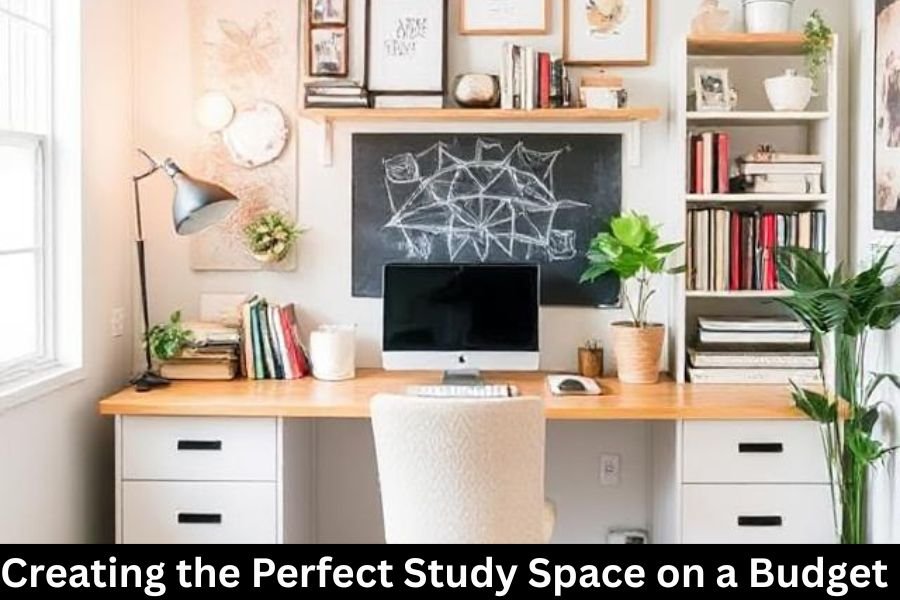
A great study space can make a huge difference in how well you focus, learn, and stay motivated. The good news? You don’t need expensive furniture or a big room to create the perfect study setup. With a little planning and creativity, you can design a functional, comfortable study space on a budget that actually helps you get things done.
Let’s walk through simple, affordable ways to build a study space that works for you—without breaking the bank.
Why a Good Study Space Matters
Your environment affects your productivity more than you realize. A cluttered or uncomfortable space can distract you, while a well-organized one can boost concentration and reduce stress.
A good study space helps you:
- Focus better
- Stay organized
- Study longer without fatigue
- Feel motivated to start studying
And the best part? You can achieve all of this on a tight budget.
Choose the Right Location First
Find a Quiet and Comfortable Spot
You don’t need a separate room. A corner of your bedroom, a quiet spot in the living room, or even a hallway nook can work perfectly.
Look for:
- Minimal noise
- Good airflow
- Enough space for a desk and chair
The key is consistency—use the same spot daily to train your brain to focus.
Set a Realistic Budget
Know What You Can Spend
Before buying anything, decide how much you’re comfortable spending. This helps you prioritize essentials and avoid impulse purchases.
Focus on:
- Desk
- Chair
- Lighting
- Storage
Everything else is optional.
Pick a Budget-Friendly Desk
Affordable Desk Ideas
You don’t need a fancy desk. Simple works best.
Budget desk options include:
- Foldable tables
- Wall-mounted desks
- Second-hand furniture
- Study tables made from plywood
The desk should be sturdy, flat, and just large enough for your books or laptop.
Choose a Comfortable Chair (Without Overspending)
Comfort Matters More Than Style
A good chair prevents back pain and improves posture. If a new ergonomic chair is too expensive, improvise.
Budget-friendly tips:
- Use cushions for back support
- Adjust chair height with pillows
- Repurpose a dining chair with padding
Comfort helps you study longer without discomfort.
Good Lighting Is Non-Negotiable
Use Natural Light When Possible
Place your desk near a window if you can. Natural light reduces eye strain and improves mood.
Affordable Lighting Options
If natural light isn’t enough:
- Use an LED desk lamp
- Choose warm or neutral light
- Avoid harsh overhead lighting
Good lighting makes studying easier and less tiring.
Keep Your Study Space Organized
Declutter to Improve Focus
A messy desk equals a messy mind. Keep only essential items on your desk.
Low-Cost Storage Solutions
- Use boxes or baskets
- Repurpose jars for pens
- Stackable trays for books and papers
Organization doesn’t have to be expensive—it just needs creativity.
Personalize Without Overspending
Add Simple Motivational Touches
Personalizing your study space makes it inviting and inspiring.
Budget-friendly ideas:
- Printed quotes
- A small plant
- Photos or postcards
- DIY wall art
Think of your study space as a place you want to spend time in.
Use Smart Cable and Tech Management
Keep Cables Tidy
Messy wires can be distracting and unsafe.
Simple solutions:
- Twist ties or rubber bands
- Clips or hooks
- A small box for chargers
A tidy tech setup instantly improves the look of your space.
Create a Distraction-Free Zone
Limit Digital Distractions
Your phone can ruin focus in seconds.
Tips to stay focused:
- Keep your phone out of reach
- Use website blockers
- Set study timers
A distraction-free space helps you study smarter, not longer.
Maximize Small Spaces
Think Vertical
If you’re short on space, use walls.
Ideas include:
- Floating shelves
- Wall organizers
- Pegboards
Small spaces can still be powerful study zones.
Use Multi-Purpose Furniture
Save Money with Dual-Use Items
Choose furniture that serves more than one purpose.
Examples:
- Desk with storage
- Bedside table as a study desk
- Storage ottoman for books
Multi-purpose furniture saves space and money.
Maintain Your Study Space Daily
Small Habits Make a Big Difference
Spend just 5 minutes daily to tidy your desk. A clean space helps maintain focus and motivation.
Consistency beats perfection.
Common Mistakes to Avoid
- Overspending on décor
- Ignoring comfort
- Poor lighting
- Too many distractions
Avoid these, and your budget study space will stay effective.
Conclusion
Creating the perfect study space on a budget is completely achievable. With thoughtful planning, smart purchases, and a bit of creativity, you can build a space that supports focus, comfort, and motivation—without spending a fortune.
Remember, it’s not about how much you spend, but how well your study space works for you.
FAQs
1. How much should I spend on a budget study space?
You can create a great study space with a modest budget by prioritizing essentials and using DIY solutions.
2. Is a separate study room necessary?
No. A quiet, dedicated corner is more than enough.
3. What is the most important item in a study space?
A comfortable chair and proper lighting are the most important.
4. How can I study better in a small room?
Use vertical storage, minimal furniture, and keep your space clutter-free.
5. Can décor really improve productivity?
Yes. A personalized and pleasant environment can boost motivation and focus.




16 Comments
Can you be more specific about the content of your article? After reading it, I still have some doubts. Hope you can help me. https://www.binance.info/ph/register?ref=IU36GZC4
I don’t think the title of your article matches the content lol. Just kidding, mainly because I had some doubts after reading the article.
Thank you for your sharing. I am worried that I lack creative ideas. It is your article that makes me full of hope. Thank you. But, I have a question, can you help me?
Thanks for sharing. I read many of your blog posts, cool, your blog is very good. https://accounts.binance.com/sk/register-person?ref=WKAGBF7Y
Thanks for sharing. I read many of your blog posts, cool, your blog is very good. https://accounts.binance.info/register-person?ref=IXBIAFVY
Can you be more specific about the content of your article? After reading it, I still have some doubts. Hope you can help me. https://accounts.binance.com/da-DK/register-person?ref=V3MG69RO
Thanks for sharing. I read many of your blog posts, cool, your blog is very good. https://accounts.binance.info/cs/register-person?ref=OMM3XK51
I don’t think the title of your article matches the content lol. Just kidding, mainly because I had some doubts after reading the article.
I don’t think the title of your article matches the content lol. Just kidding, mainly because I had some doubts after reading the article.
I don’t think the title of your article matches the content lol. Just kidding, mainly because I had some doubts after reading the article.
Gave 992bet77 a go last weekend. It’s got a decent range of games, enough to keep you entertained. Here’s where I found it: 992bet77
Just downloaded the app for 29bet via their APK. Works great on my phone. Quick and easy to use, no lag. Give it a try! 29bet
Good news, the taib29betapk from this link works like a charm on my tablet! Super convenient to have it on the go. Definitely recommend grabbing it. taib29betapk
Can you be more specific about the content of your article? After reading it, I still have some doubts. Hope you can help me.
Your point of view caught my eye and was very interesting. Thanks. I have a question for you. https://accounts.binance.com/register-person?ref=JW3W4Y3A
Thank you for your sharing. I am worried that I lack creative ideas. It is your article that makes me full of hope. Thank you. But, I have a question, can you help me?