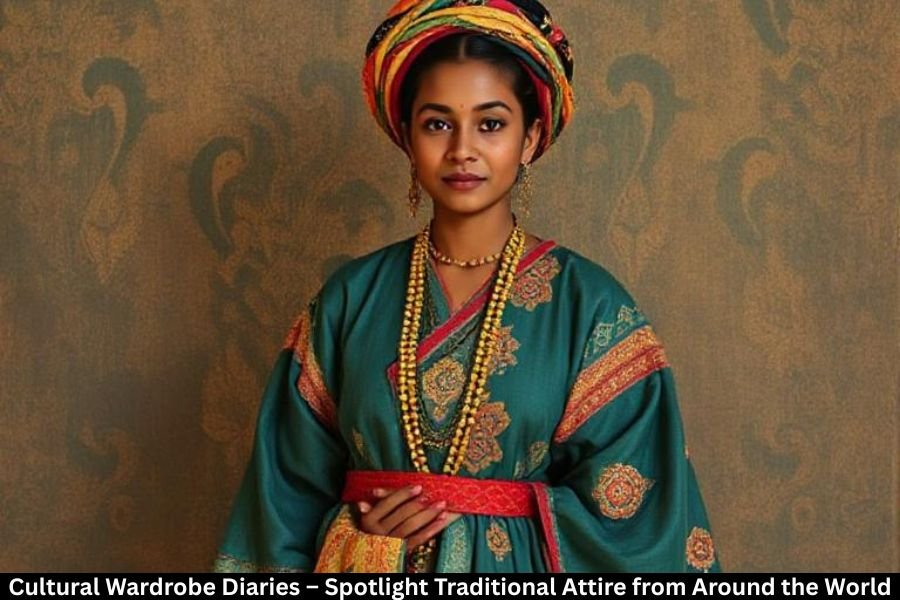
Traditional attire is more than just clothing—it’s history stitched into fabric. These garments represent a community’s roots, beliefs, climate, and way of life. Every fold, color, and pattern tells a story passed down through generations.
Why Clothing Is a Cultural Storyteller
Think of traditional clothing as a walking museum. You don’t need a history book when a single outfit can reveal social status, regional identity, and even life milestones.
The Global Language of Clothing
Fashion as Identity
Before words, clothing spoke. Traditional attire signals who we are, where we come from, and what we value. It’s identity worn proudly on the body.
How Culture Shapes Style
Climate, geography, religion, and resources all influence traditional fashion. Desert cultures favor breathable fabrics, while colder regions embrace layers and wool.
Traditional Attire vs Modern Fashion
Timeless Designs
Unlike fast fashion, traditional clothing doesn’t expire with seasons. Designs remain relevant for centuries because they’re rooted in meaning.
Blending Heritage with Trends
Modern fashion often borrows from traditional attire, blending old-world charm with contemporary aesthetics.
Traditional Attire of Asia
The Saree – India
The saree is elegance personified. This long, flowing garment varies across regions, fabrics, and draping styles.
Symbolism of Colors and Fabrics
Red for weddings, white for mourning, silk for royalty—every choice carries significance.
Kimono – Japan
The kimono is structured, graceful, and deeply symbolic. Patterns and colors reflect seasons, age, and marital status.
Seasonal and Social Meanings
From cherry blossoms to cranes, motifs mirror nature and tradition.
Hanbok – Korea
Hanbok’s flowing lines and vibrant colors celebrate harmony and balance, reflecting Korea’s cultural philosophy.
Traditional Attire of the Middle East
Thobe and Abaya
These garments emphasize modesty while showcasing refined simplicity. Loose silhouettes suit the climate perfectly.
Cultural Modesty and Elegance
Middle Eastern attire proves modesty and style can coexist beautifully.
Regional Variations
Designs differ across countries, influenced by history and local customs.
Traditional Attire of Africa
Dashiki and Kente
Bold colors and geometric patterns dominate African traditional wear, symbolizing pride and heritage.
Patterns That Speak
Each pattern tells a story—of royalty, community, or ancestral wisdom.
Beads, Textiles, and Identity
Accessories often carry just as much meaning as the garments themselves.
Traditional Attire of Europe
Dirndl and Lederhosen – Germany
Originally workwear, these outfits now symbolize regional pride and festivals like Oktoberfest.
Flamenco Dress – Spain
Ruffles, movement, and passion define this iconic dress.
Dance, Movement, and Dress
Designed to flow with dance, flamenco attire embodies emotion.
Traditional Attire of the Americas
Indigenous Clothing of North America
Feathers, leather, and beadwork reflect spiritual beliefs and respect for nature.
Huipil – Mexico
This handwoven garment showcases indigenous artistry.
Handmade Heritage
Each huipil is unique, crafted with love and tradition.
Traditional Attire of Oceania
Māori Clothing – New Zealand
Cloaks made from flax and feathers symbolize status and ancestry.
Grass Skirts and Ceremonial Wear
Often worn during rituals, these garments connect people to land and ancestors.
Materials and Craftsmanship
Handwoven Fabrics
Traditional clothing often uses techniques passed down through generations.
Artisans Behind the Attire
Behind every garment is an artisan whose skills preserve culture.
Traditional Attire in Festivals and Ceremonies
Weddings and Rituals
Special occasions bring out the most elaborate attire, rich in symbolism.
Religious and Cultural Celebrations
Festivals become living showcases of heritage.
Symbolism in Traditional Clothing
Colors, Patterns, and Motifs
Nothing is random. Every detail has meaning.
Status, Age, and Community
Clothing often communicates social roles without a single word spoken.
Preservation of Cultural Wardrobes
Threats from Globalization
Mass production and westernization risk erasing traditional styles.
Reviving Heritage Through Fashion
Designers and communities are working to keep traditions alive.
Traditional Attire in the Modern World
Fashion Designers and Cultural Fusion
Runways now celebrate cultural roots with modern twists.
Wearing Tradition with Pride
Younger generations are reclaiming heritage fashion.
How to Respect and Appreciate Cultural Attire
Cultural Appreciation vs Appropriation
Respect comes from understanding, not imitation without context.
Learning Before Wearing
Know the story before you wear the outfit.
Conclusion: Why Cultural Wardrobes Matter
Traditional attire connects us to our past while shaping our identity today. In a fast-paced world, cultural wardrobes remind us where we come from—and why it matters. Celebrating these garments means celebrating humanity itself.
FAQs
1. Why is traditional attire important?
It preserves history, identity, and cultural values.
2. Can traditional clothing be worn daily?
Yes, many cultures adapt traditional wear for modern life.
3. How can I respectfully wear cultural attire?
Learn its significance and wear it with appreciation.
4. Are traditional clothes still being made today?
Absolutely, many artisans continue these crafts.