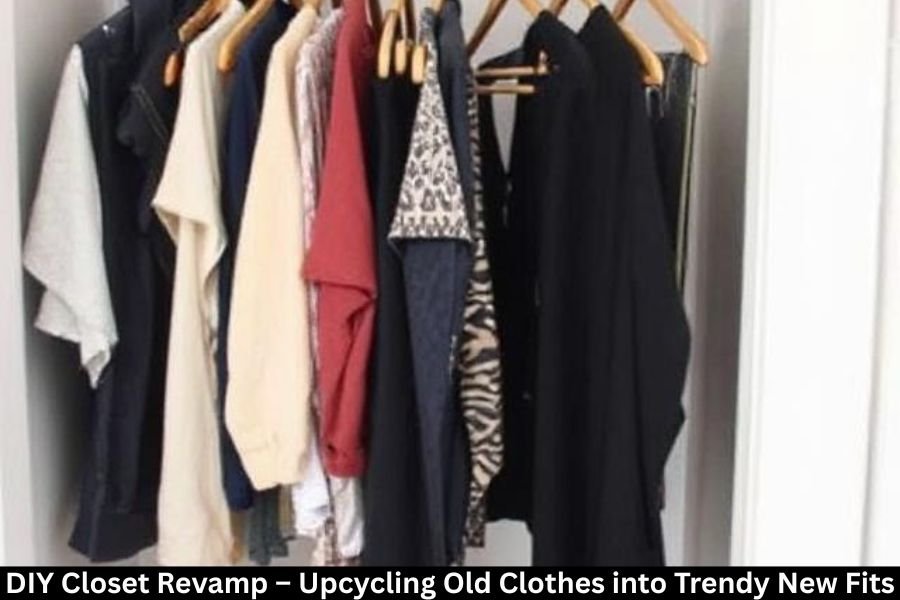
Are you staring at a closet full of clothes you never wear? Instead of buying new pieces, why not upcycle your old clothes into trendy new fits? DIY closet revamps are a fun, eco-friendly, and budget-conscious way to refresh your wardrobe. From turning old jeans into chic shorts to giving a plain t-shirt a whole new vibe, the possibilities are endless.
In this article, we’ll explore practical ideas, step-by-step techniques, and creative inspiration to transform your old garments into fashion-forward outfits.
Why Upcycling Matters
- Sustainable Fashion: Reduces textile waste and environmental impact.
- Unique Style: Your creations are one-of-a-kind.
- Cost-Effective: Revamping is cheaper than buying new pieces.
- Creative Outlet: DIY projects are fun and satisfying.
Planning Your Closet Revamp
Assess Your Wardrobe
Before you start, go through your clothes and identify items that are worn out, outdated, or just plain boring. Keep the ones with potential for a makeover.
Set Your Goals
Ask yourself:
- Do I want casual upgrades or statement pieces?
- Am I revamping for seasonal wear or everyday outfits?
Tools and Materials You’ll Need
- Scissors, sewing kit, or sewing machine
- Fabric glue or iron-on patches
- Buttons, beads, and ribbons
- Tie-dye kits or fabric paints
- Old embellishments from discarded garments
Top DIY Upcycling Ideas
Transform Old T-Shirts
1. Crop Tops and Knot Tees
Cut your old t-shirts into stylish crop tops or tie the hem into knots for a trendy twist.
2. Tie-Dye Magic
Add color and personality with tie-dye. Even a plain white tee can become a statement piece.
Revamp Old Jeans
1. Distressed Denim
Turn worn-out jeans into trendy distressed jeans by cutting and fraying the hems.
2. Denim Shorts
Cut long jeans into shorts, add some patches or embroidery, and create your summer staple.
Upgrade Old Dresses
1. Layering and Reshaping
Shorten a maxi dress into a midi or mini dress. Combine with a belt for a chic look.
2. Adding Embellishments
Sew on lace trims, sequins, or fabric patches to transform a plain dress.
Revitalize Sweaters and Hoodies
- Crop or Tie: Turn oversized sweaters into cropped versions or tie-dye for a fresh look.
- Layering Pieces: Cut sleeves to make a vest or add elbow patches for style.
Accessorize with Upcycled Fabric
- Create headbands, scrunchies, or tote bags from old clothes.
- Sew fabric strips into belts or bracelets.
Step-by-Step Upcycling Techniques
1. Cutting and Reshaping
Mark where you want to cut with chalk. Cut carefully, then sew or glue edges to prevent fraying.
2. Dyeing and Painting
Use tie-dye, fabric markers, or fabric paints to add personality. Follow instructions for vibrant, lasting results.
3. Embellishing
Add beads, buttons, patches, or lace to make garments eye-catching and unique.
4. Layering
Combine two old garments to make a new piece, such as sewing a shirt panel onto a dress or hoodie.
Tips for a Successful DIY Closet Revamp
- Start Small: Begin with a single item to build confidence.
- Check Fabric Type: Some fabrics are easier to cut, dye, and sew.
- Keep It Functional: Ensure the upcycled piece is wearable and comfortable.
- Be Creative: Experiment with textures, colors, and patterns.
Mistakes to Avoid
- Overcomplicating designs—simplicity often works best.
- Using poor-quality glue or stitches that won’t hold.
- Ignoring comfort—trendy doesn’t mean uncomfortable.
Benefits Beyond Fashion
- Boosts Confidence: Creating your own fashion builds self-esteem.
- Eco-Conscious Living: Contributes to a greener, more sustainable lifestyle.
- Skill Development: Sewing, dyeing, and design skills improve with practice.
Conclusion
Revamping your closet through DIY upcycling is more than a fun hobby—it’s a statement of style, creativity, and sustainability. With a little time, creativity, and some basic tools, you can transform outdated or worn clothes into trendy, wearable art. So dig through that wardrobe and start your next project—your new favorite outfit is waiting to be created!
FAQs
1. Can beginners do DIY upcycling?
Absolutely! Start with simple cuts, tie-dye, or adding patches.
2. What materials are easiest to upcycle?
Cotton and denim are forgiving fabrics for cutting, dyeing, and sewing.
3. Do I need a sewing machine?
Not necessarily—hand stitching and fabric glue work well for small projects.
4. How long does a typical upcycling project take?
Simple projects can take under an hour; complex ones may take a few days.
5. Can I sell my upcycled creations?
Yes! Many people start small businesses from DIY fashion projects.








6 Comments