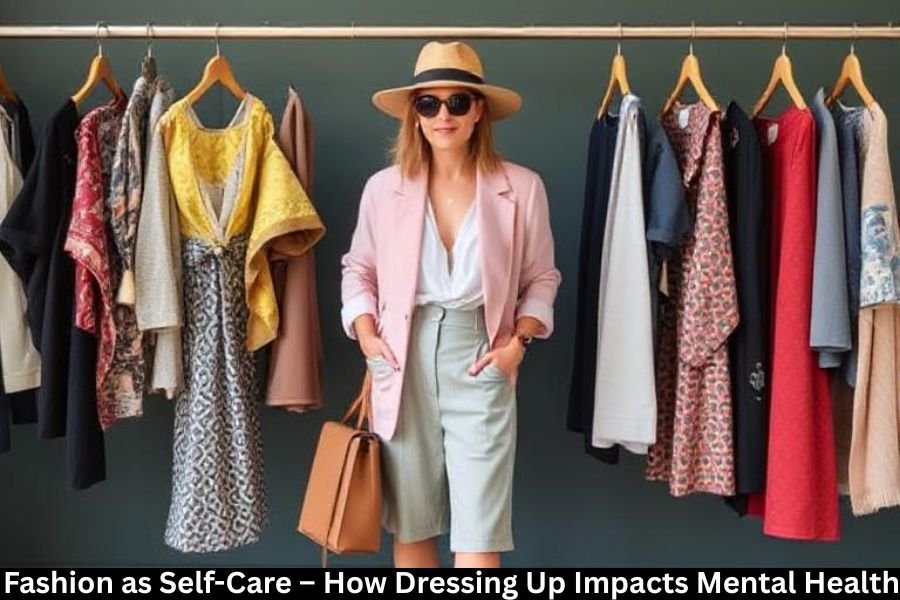
When we think of self-care, we often picture bubble baths, meditation apps, or yoga mats. But self-care goes deeper than that. It’s about how we treat ourselves daily—and yes, that includes what we wear.
Why What We Wear Matters
Clothing isn’t just fabric. It’s energy, mood, and identity wrapped into one. What you put on your body can influence how you feel, think, and show up in the world.
The Psychology of Clothing
How Clothes Affect Mood and Emotions
Ever noticed how your favorite outfit instantly lifts your mood? That’s no coincidence. Clothes can trigger positive emotions, memories, and confidence.
Enclothed Cognition Explained
Enclothed cognition is the idea that what you wear affects how you think and behave. Put simply, dressing sharp can make you feel sharp.
Dressing Up and Self-Expression
Clothing as a Personal Language
Fashion is a silent conversation. Without saying a word, your outfit tells a story—about your mood, personality, and values.
Showing the World Who You Are
When words fail, style speaks. Dressing authentically helps you feel aligned with yourself.
Fashion and Confidence
The Confidence-Boosting Power of Outfits
A well-chosen outfit can feel like armor. It helps you walk taller, speak clearer, and feel more capable.
First Impressions and Self-Perception
Confidence starts internally, but what you wear reinforces how you see yourself—and how others respond.
Fashion as a Daily Ritual
Creating a Morning Routine with Style
Getting dressed can be a grounding ritual. It signals the start of your day and sets the tone.
Dressing with Intention
Instead of grabbing whatever’s clean, choosing outfits mindfully can feel empowering.
Color Psychology in Fashion
How Colors Influence Emotions
Colors affect mood. Bright shades energize, neutrals calm, and darker tones ground us.
Choosing Colors for Mental Well-Being
Wearing colors that match or shift your mood can be a simple mental health tool.
Comfort vs Style – Finding Balance
Why Comfort Matters for Mental Health
Uncomfortable clothing can increase stress and distraction. Comfort allows you to relax and focus.
Stylish Doesn’t Have to Mean Uncomfortable
You don’t have to sacrifice comfort to look good. The sweet spot is where both meet.
Fashion During Stressful Times
Dressing Through Anxiety and Depression
When motivation is low, even small style choices—like soft fabrics or cozy layers—can provide comfort.
Small Style Choices That Make a Big Difference
A favorite hoodie or statement accessory can feel like a hug on hard days.
Social Connection and Belonging
Fashion as a Tool for Connection
Shared styles create belonging. From uniforms to subcultures, fashion builds community.
Feeling Seen and Understood
Wearing what resonates with you helps others understand you better.
Fashion and Body Positivity
Dressing for Your Body, Not Trends
Trends come and go, but your body deserves respect now.
Clothing as Self-Acceptance
Choosing clothes that fit and flatter your body is an act of kindness toward yourself.
Mindful Fashion Choices
Shopping with Purpose
Mindful shopping reduces stress, clutter, and regret.
Sustainable Fashion and Mental Peace
Knowing your clothes align with your values brings a sense of calm and pride.
Fashion in the Workplace
Dressing for Confidence at Work
Professional attire can boost authority and self-belief.
Professional Identity and Mental Health
Feeling comfortable and confident at work supports mental well-being.
Digital Fashion Influence
Social Media, Style, and Self-Esteem
Online fashion inspiration can uplift—or overwhelm.
Setting Healthy Boundaries
Consume inspiration, not comparison. Curate your feed wisely.
Fashion Across Life Stages
Style Changes with Life Transitions
Style evolves as we grow—and that’s healthy.
Dressing for the Person You’re Becoming
Your wardrobe can support your future self.
Building a Self-Care Wardrobe
Curating Clothes That Make You Feel Good
Keep pieces that spark joy, comfort, and confidence.
Letting Go of Guilt Pieces
If it doesn’t serve you, let it go. Your closet should support—not stress—you.
Conclusion: Why Fashion Deserves a Place in Self-Care
Fashion is more than looking good—it’s about feeling good. Dressing with intention can boost confidence, comfort, and mental well-being. When you treat fashion as self-care, every outfit becomes an opportunity to show up for yourself.
FAQs
1. Can clothing really impact mental health?
Yes, clothing affects mood, confidence, and self-perception.
2. Is dressing up considered self-care?
Absolutely. It’s a form of daily self-expression and empowerment.
3. What should I wear when I feel low?
Comfortable clothes in calming colors often help.
4. Does fashion help with confidence?
The right outfit can significantly boost confidence.
5. How do I build a self-care wardrobe?
Focus on comfort, authenticity, and pieces that make you feel good.