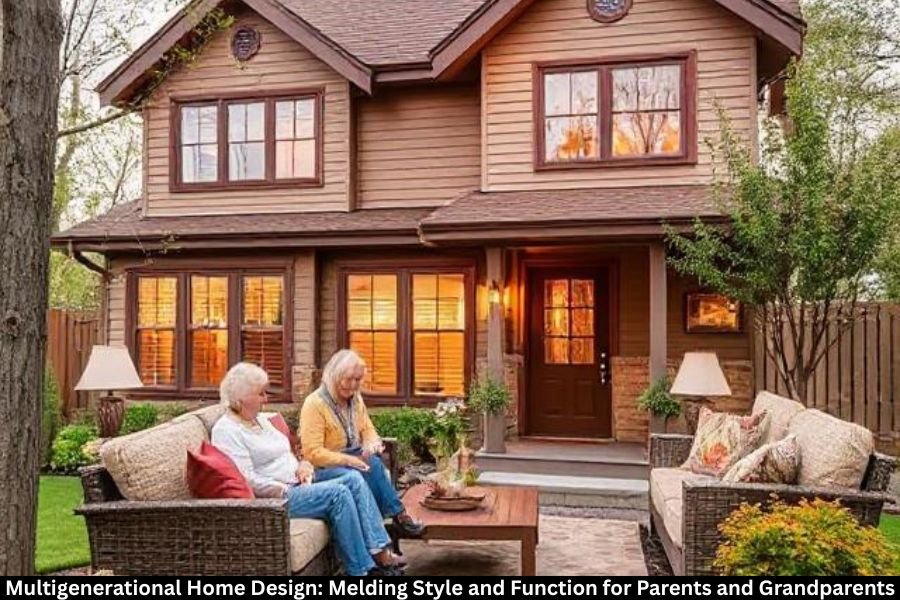
A multigenerational home is exactly what it sounds like—a single household where two or more generations live under one roof. Think parents, grandparents, adult children, and sometimes even grandchildren all sharing a space. It’s not a new concept, but the way we design these homes today? That’s where things get exciting.
Why Multigenerational Homes Are on the Rise
Rising housing costs, longer life expectancy, and a renewed appreciation for family bonds have made multigenerational living more popular than ever. Many families want to care for aging parents without sacrificing comfort, independence, or style. And honestly, who wouldn’t want a home that feels like a warm family hub instead of a cramped compromise?
Benefits of Multigenerational Home Design
Emotional and Social Advantages
Living together strengthens family connections. Grandparents get to be part of daily life, kids grow up with built-in wisdom, and parents enjoy peace of mind knowing loved ones are close. It’s like having your own support system, right at home.
Financial Benefits
Sharing a home means shared expenses—utilities, groceries, even childcare. Over time, this can add up to significant savings. Instead of paying for separate housing or assisted living, families invest in one well-designed space that serves everyone.
Shared Responsibilities and Support
From cooking meals to watching kids or helping with mobility, multigenerational homes allow families to support each other naturally. It’s teamwork, but with love involved.
Key Principles of Multigenerational Home Design
Privacy Meets Togetherness
The secret sauce? Balance. Everyone needs their own space to retreat, while still having inviting areas to connect. Think of it like a well-orchestrated dance—sometimes together, sometimes solo.
Flexibility for Changing Needs
What works today may not work ten years from now. Smart multigenerational home design anticipates future changes, from mobility issues to growing families.
Universal Design Basics
Universal design focuses on making spaces usable by all ages and abilities. Lever handles, step-free entrances, and wider hallways aren’t just practical—they can be beautiful too.
Space Planning for Multiple Generations
Zoning the Home
Private Living Quarters
Each generation should have its own private zone. This could be a ground-floor suite for grandparents or a converted basement with a bedroom, bathroom, and sitting area.
Shared Common Areas
Living rooms, kitchens, and dining spaces act as the heart of the home. These areas should feel welcoming, spacious, and easy to navigate.
Separate Entrances and Suites
If possible, separate entrances give older family members a sense of independence. It’s a small detail that makes a big difference in dignity and comfort.
Designing Comfortable Spaces for Parents and Grandparents
Bedroom Design Considerations
Bedrooms should be calm, clutter-free, and easy to move around in. Think wider walkways, supportive mattresses, and plenty of natural light.
Bathroom Safety and Accessibility
Bathrooms are where safety matters most. Walk-in showers, grab bars, non-slip tiles, and raised toilets can prevent accidents while still looking sleek and modern.
Easy-to-Navigate Layouts
Open layouts reduce obstacles and make movement easier. Fewer steps, minimal thresholds, and logical room placement all help seniors feel confident at home.
Stylish Yet Functional Common Areas
Living Rooms That Bring Everyone Together
Comfort is king here. Mix supportive seating with cozy sofas, and arrange furniture to encourage conversation. Add textures, colors, and personal touches to keep it warm and inviting.
Kitchens Designed for All Ages
A multigenerational kitchen is like a shared stage. Include varied counter heights, pull-out shelves, and clear pathways so everyone can cook together safely.
Dining Spaces for Connection
A sturdy table, comfortable chairs, and good lighting go a long way. This is where stories are shared, so make it a place people want to linger.
Accessibility Features Without Sacrificing Style
Smart Flooring Choices
Avoid slippery surfaces. Hardwood with matte finishes, textured tiles, or luxury vinyl flooring offer both safety and elegance.
Lighting for Safety and Ambience
Layered lighting—ambient, task, and accent—improves visibility while setting the mood. Motion-sensor lights are especially helpful at night.
Doorways, Hallways, and Hardware
Wider doorways, pocket doors, and easy-grip handles improve accessibility without screaming “medical.”
Technology in Multigenerational Homes
Smart Home Solutions for Seniors
Voice-controlled lights, thermostats, and reminders make daily life easier for grandparents while adding convenience for everyone else.
Security and Monitoring Systems
Video doorbells, smart locks, and discreet monitoring systems provide peace of mind without invading privacy.
Entertainment for All Generations
From shared streaming services to sound systems that work room by room, technology can bring generations together—or let them enjoy their own thing.
Outdoor Spaces for Multigenerational Living
Safe and Accessible Gardens
Raised garden beds, flat pathways, and shaded seating let grandparents enjoy nature without strain.
Patios and Relaxation Areas
Outdoor spaces should feel like an extension of the home—comfortable, accessible, and perfect for family gatherings.
Cultural and Emotional Considerations
Respecting Traditions and Routines
Design should honor cultural habits, whether that’s a prayer space, a tea corner, or a room for family gatherings.
Designing for Emotional Well-being
Colors, natural light, and personal mementos can boost mood and reduce stress. A home should feel like a hug, not a hospital.
Budgeting and Planning Tips
Prioritizing Needs vs. Wants
Focus first on safety and accessibility, then layer in style. You can always upgrade finishes later.
Phased Renovation Strategies
Not everything has to happen at once. Start with essential areas and improve over time as needs evolve.
Common Mistakes to Avoid
Ignoring Future Mobility Needs
Designing only for the present can be costly later. Always plan with the future in mind.
Overlooking Privacy
Even close families need boundaries. Skipping private spaces can lead to tension.
Poor Communication During Planning
Everyone should have a voice. Open conversations prevent regrets down the road.
Future-Proofing the Multigenerational Home
Aging-in-Place Design
Designing for aging in place allows parents and grandparents to stay comfortably in the home they love.
Adaptable Spaces for Growing Families
Rooms that can change function—office today, bedroom tomorrow—keep the home relevant for decades.
Conclusion
Multigenerational home design is all about harmony. When style and function work together, the result is a home that supports parents, grandparents, and everyone in between. With thoughtful planning, flexible spaces, and a focus on comfort and dignity, you can create a living environment where every generation feels valued, independent, and connected. It’s not just a house—it’s a legacy.
Frequently Asked Questions
Is multigenerational home design expensive?
It can be, but smart planning and phased renovations help manage costs effectively.
How do you maintain privacy in a multigenerational home?
Separate living zones, soundproofing, and clear boundaries make a huge difference.
What is the most important feature for grandparents?
Safety and accessibility, especially in bathrooms and bedrooms.
Can multigenerational homes still look modern?
Absolutely. Modern design and accessibility features blend beautifully when planned well.
Is multigenerational living suitable for all families?
It works best when communication, respect, and thoughtful design come together.




7 Comments
The article is outstanding and well-written. This site has so much practical
content.
Hey, dropped by taifun88. Feels pretty solid. Lots of options, good vibes. I’d say check it out and see what you think. taifun88
Alright, took a peek at taiking88. Pretty decent layout and selection from what I can see. Worth a look if you’re looking for something new. taiking88
Yo, hopped onto pokerking. If you’re into poker, give it a shot. The games are decent, and the community seems pretty active. pokerking