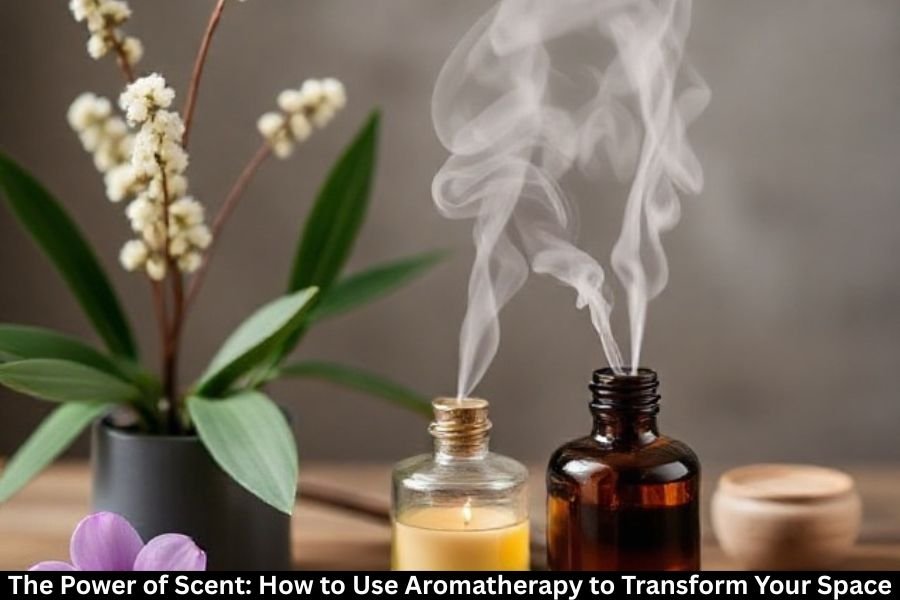
Have you ever smelled something and instantly been transported back in time? Maybe fresh bread reminds you of childhood, or a certain perfume brings back a specific person. That’s the power of scent. Smell bypasses logic and goes straight to emotion, making it the most powerful sense we have.
How Scents Influence Mood and Behavior
Scents quietly shape how we feel and act. A calming aroma can soften a stressful day, while an energizing scent can kickstart your motivation. Aromatherapy uses this natural connection to intentionally shape your environment—and your mindset.
What Is Aromatherapy?
The Basics of Aromatherapy
Aromatherapy is the practice of using natural plant extracts, mainly essential oils, to improve physical, emotional, and mental well-being. It’s been used for centuries, but today it’s more accessible—and stylish—than ever.
Essential Oils vs Synthetic Fragrances
Not all scents are created equal. Essential oils come from plants, flowers, and trees, while synthetic fragrances are lab-made. Natural oils interact with the brain differently, offering therapeutic benefits beyond just smelling good.
The Science Behind Aromatherapy
How Scents Affect the Brain
When you inhale a scent, it travels through your nose to the olfactory bulb, which connects directly to emotional and memory centers in the brain. That’s why scents can instantly shift your mood.
Emotional Memory and Smell
Unlike sights or sounds, smells are deeply tied to emotional memory. One whiff can trigger calm, joy, or nostalgia faster than a favorite song.
The Limbic System Explained
The limbic system controls emotions, behavior, and memory. Aromatherapy works here, making it a powerful tool for emotional balance and stress relief.
Benefits of Aromatherapy at Home
Stress Reduction and Relaxation
Scents like lavender and chamomile act like a gentle exhale for your nervous system. They signal your body to slow down, relax, and let go.
Improved Focus and Productivity
Need to concentrate? Scents like peppermint, rosemary, and lemon sharpen focus and mental clarity, making them perfect for workspaces.
Better Sleep and Rest
A calming nighttime scent routine tells your brain it’s time to rest. Aromatherapy can be the bridge between a busy day and deep sleep.
Choosing the Right Scents for Your Space
Calming Scents
Lavender, sandalwood, ylang-ylang, and frankincense are ideal for relaxation. These scents feel like a soft blanket for the mind.
Energizing Scents
Citrus oils, eucalyptus, and peppermint add a burst of freshness. They’re like opening a window on a spring morning.
Comforting and Grounding Scents
Vanilla, cedarwood, and patchouli create warmth and emotional grounding, perfect for cozy spaces.
Aromatherapy Room by Room
Living Room Scents
The living room is the heart of the home. Use balanced scents like bergamot or sweet orange to keep it welcoming and uplifting.
Bedroom Scents
Soft, soothing scents like lavender and chamomile help calm the mind and prepare the body for sleep.
Kitchen Scents
Citrus and herbal scents like lemon or basil neutralize odors and keep the space feeling clean and fresh.
Bathroom Scents
Eucalyptus and tea tree create a spa-like atmosphere, turning everyday routines into mini retreats.
Home Office Scents
Peppermint, rosemary, and lemon boost alertness and reduce mental fatigue.
Popular Essential Oils and Their Uses
Lavender
The ultimate relaxation oil. Great for stress, sleep, and emotional balance.
Eucalyptus
Refreshing and cleansing, perfect for breathing easier and mental clarity.
Peppermint
Sharp, cool, and energizing—ideal for focus and headaches.
Citrus Oils
Orange, lemon, and grapefruit lift mood and energize spaces instantly.
Sandalwood and Frankincense
Deep, grounding scents that promote calm and mindfulness.
Different Ways to Use Aromatherapy
Diffusers
The most popular method. Diffusers spread scent evenly and safely throughout a room.
Candles
Aromatherapy candles add ambiance and scent, but choose natural waxes for cleaner air.
Room Sprays
Quick and effective for instant freshness.
Oil Roll-Ons
Perfect for personal use—apply to wrists or temples for on-the-go calm.
Passive Diffusion Methods
Wooden beads, lava stones, and ceramic diffusers gently release scent without heat or electricity.
Creating Signature Scents for Your Home
Blending Essential Oils
Mixing oils lets you create a scent that feels uniquely yours. Start with one base note, one middle note, and one top note.
Seasonal Scent Styling
Use warm spices in winter, florals in spring, citrus in summer, and earthy tones in fall to match the season’s energy.
Aromatherapy for Emotional Well-being
Reducing Anxiety
Calming oils help regulate breathing and quiet racing thoughts.
Boosting Mood Naturally
Uplifting scents stimulate feel-good chemicals in the brain—no caffeine required.
Creating a Sense of Safety and Comfort
Familiar scents can make a space feel safe, cozy, and emotionally grounding.
Aromatherapy and Mindfulness
Using Scent for Meditation
Scent anchors you to the present moment, making meditation deeper and more focused.
Enhancing Yoga and Relaxation Practices
Aromatic cues signal the body to slow down and tune in.
Safety Tips for Aromatherapy
Dilution and Usage Guidelines
Essential oils are powerful. Always dilute properly and use recommended amounts.
Aromatherapy Around Kids and Pets
Some oils aren’t safe for children or animals. Research before use.
Common Mistakes to Avoid
Overuse, poor ventilation, and low-quality oils can reduce benefits.
Aromatherapy on a Budget
Affordable Essential Oils
You don’t need dozens. A few high-quality oils go a long way.
DIY Aromatherapy Ideas
Make your own sprays, sachets, or roller blends at home.
The Future of Scent in Interior Design
Scent as a Design Element
Just like color and texture, scent is becoming part of holistic design.
Smart Home Scent Technology
Automated scent systems will soon customize mood at the push of a button.
Conclusion
Scent is invisible, yet incredibly powerful. Aromatherapy transforms ordinary spaces into emotional sanctuaries—places where you can relax, focus, or recharge. By choosing the right scents and using them intentionally, you don’t just change how your home smells—you change how it feels. And sometimes, that makes all the difference.
Frequently Asked Questions
Can aromatherapy really change my mood?
Yes, scent directly affects emotional centers in the brain.
How long should I diffuse essential oils?
Typically 30–60 minutes at a time is enough.
Are essential oils safe for daily use?
Yes, when used correctly and in moderation.
Can I mix different essential oils together?
Absolutely. Blending enhances both scent and benefits.
What’s the best aromatherapy method for beginners?
A diffuser with one or two oils is the easiest place to start.