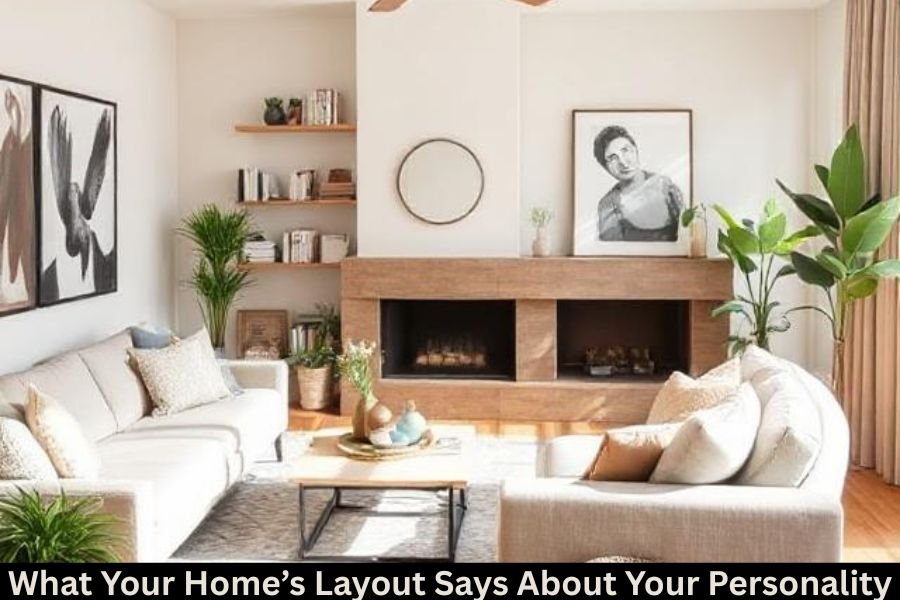
Paint colors and throw pillows are fun, but your home’s layout? That’s where the real story lives. Layout determines how you move, gather, rest, and connect. It quietly reflects your habits, priorities, and even your emotional needs.
The Psychology Behind Living Spaces
Psychologists have long believed that the way we shape our environments reflects who we are. Your home isn’t just a place you live—it’s a three-dimensional personality test.
The Connection Between Personality and Home Design
How Personalities Shape Spatial Preferences
Some people crave openness and flow, while others need walls and doors to feel safe. These preferences aren’t random. They’re tied to how you think, feel, and recharge.
Nature vs Nurture in Home Layout Choices
Your upbringing, culture, and life experiences all influence how you want your space to function. The result? A layout that feels “right” to you, even if you can’t explain why.
Open-Concept Layouts and What They Reveal
The Social Butterfly Personality
Love open layouts? You’re probably social, expressive, and energized by connection. Open spaces invite conversation and shared experiences.
Openness, Creativity, and Flexibility
Open floor plans often attract creative thinkers who dislike rigid rules. These layouts allow life to unfold naturally.
Pros and Cons of Open Living
While open layouts encourage connection, they can overwhelm those who need quiet and structure.
Closed Floor Plans and Structured Thinkers
Privacy-Loving Personalities
If you prefer defined rooms, you likely value privacy and personal boundaries. You recharge alone and think deeply.
Traditional Values and Boundaries
Closed layouts often appeal to people who appreciate routine, tradition, and emotional security.
Emotional Comfort in Defined Spaces
Walls create mental clarity. Each room has a purpose—and that feels comforting.
Minimalist Layouts and Calm Minds
The Organized and Intentional Personality
Minimalist layouts signal intentional living. You value quality over quantity and dislike visual noise.
Control, Clarity, and Mental Space
Less clutter equals less stress. Your layout supports mental clarity and emotional balance.
Eclectic and Flexible Layouts
Creative and Free-Spirited Individuals
If your home doesn’t follow rules, neither do you. Flexible layouts attract imaginative, curious personalities.
Adapting Spaces to Match Mood
Rooms shift purpose as your energy changes—because freedom matters to you.
Large Living Areas vs Cozy Spaces
Entertainers and Extroverts
Large living spaces scream “host.” You love gathering people and feeding off shared energy.
Introverts and Intimate Corners
Cozy layouts reflect introspection. Small spaces feel safe, personal, and grounding.
Kitchen-Centered Layouts
Nurturers and Caregivers
If your kitchen is the heart of your home, you’re a natural caregiver. Feeding people is your love language.
Food as a Social Connector
Open kitchens reflect generosity, warmth, and a desire to bring people together.
Bedroom Placement and Personality
Master Suites as Sanctuaries
A private, tucked-away bedroom shows you value rest and personal time.
Proximity to Living Areas and Lifestyle Choices
Closer bedrooms suggest practicality and family-focused living.
Home Offices and Work Zones
Ambition and Goal-Oriented Layouts
Dedicated workspaces reflect discipline, ambition, and focus.
Separation of Work and Life
Clear boundaries between work and rest show emotional intelligence.
Children’s Spaces and Family Priorities
Open Family-Centered Homes
Layouts centered around kids reveal nurturing, hands-on parenting styles.
Independence and Structured Parenting
Separate zones encourage autonomy and responsibility.
Bathrooms and Personal Habits
Spa-Like Bathrooms and Self-Care
Luxurious bathrooms reflect self-awareness and emotional maturity.
Practical Layouts and Efficiency
Simple layouts suggest no-nonsense, practical personalities.
Storage, Clutter, and Personality Traits
Built-In Storage Lovers
You value order, predictability, and control.
Visible Storage and Creative Chaos
You thrive in controlled mess—ideas matter more than appearances.
Hallways, Flow, and Movement
Logical Thinkers and Clear Pathways
Straightforward layouts reflect rational, strategic minds.
Organic Flow and Laid-Back Minds
Meandering layouts suggest flexibility and emotional openness.
Outdoor-Indoor Layouts
Nature Lovers and Grounded Souls
Strong indoor-outdoor connections reveal balance and appreciation for calm.
Social Outdoor Spaces
You love fresh air, gatherings, and shared moments.
How Life Stages Influence Layout Choices
Single Living vs Family Living
Your layout evolves as your priorities shift—from independence to connection.
Aging, Comfort, and Accessibility
Layouts adapt to comfort, safety, and ease as life progresses.
Can You Change Your Layout to Change Your Life?
Small Layout Tweaks with Big Impact
Rearranging spaces can shift energy, habits, and mood.
Designing for the Person You’re Becoming
Your home can support growth, healing, and transformation.
Conclusion
Your home’s layout is a quiet autobiography. It reveals how you connect, rest, think, and love. By understanding what your layout says about you, you gain insight into yourself—and the power to design a space that truly supports who you are and who you’re becoming.
Frequently Asked Questions
Can my home layout really reflect my personality?
Yes, layout choices often align with emotional and behavioral traits.
What if my layout doesn’t match my personality?
You may be adapting to constraints—or craving change.
Can rearranging my layout improve my mood?
Absolutely. Environment influences behavior and emotions.
Is open-concept living bad for introverts?
Not always, but defined quiet zones are essential.
Should I redesign my home as my life changes?
Yes. Your home should evolve with you.