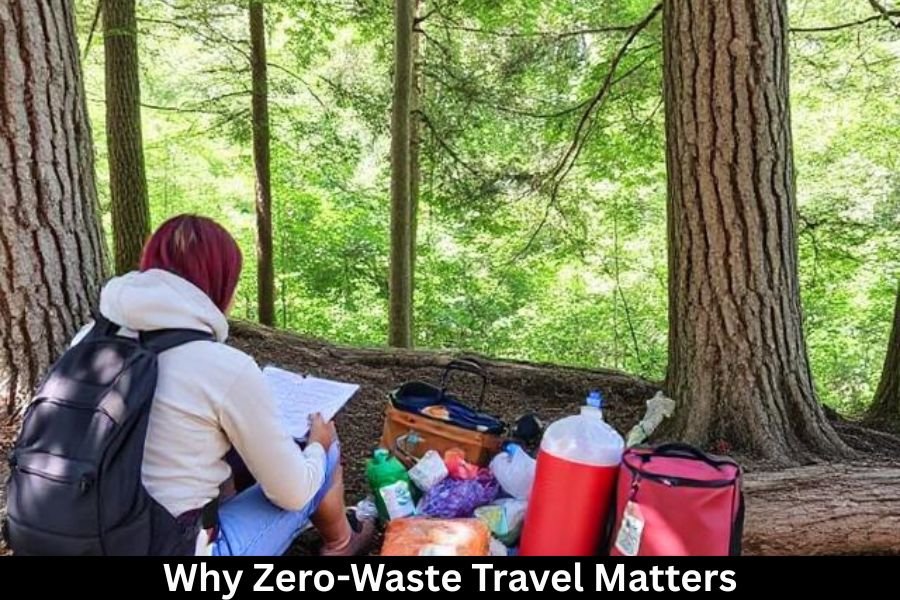
Travel opens our eyes to the world. New cultures, breathtaking landscapes, unforgettable experiences—what’s not to love? But behind the Instagram-perfect photos lies an uncomfortable truth: travel generates a lot of waste. From plastic water bottles to hotel toiletries, tourism often leaves a heavy footprint behind. That’s where zero-waste travel steps in.
What Does Zero-Waste Travel Mean?
Zero-waste travel isn’t about being perfect. It’s about being mindful. The idea is simple: reduce the amount of trash you create while traveling by choosing reusable, sustainable alternatives. Think of it like traveling lighter—not just with your luggage, but with your impact on the planet.
Why Travelers Should Care
Because the places we love to visit are the ones paying the price. Beaches buried in plastic, mountains littered with wrappers, and local communities overwhelmed by waste—it’s not exactly the legacy we want to leave behind, right?
The Environmental Impact of Traditional Travel
Plastic Pollution and Tourism
Tourism and plastic go hand in hand, unfortunately. Airports, hotels, tourist attractions—single-use plastics are everywhere.
Single-Use Items in Travel
Mini shampoo bottles, plastic cutlery, disposable cups, shopping bags—the list is endless. Most of these items are used once and thrown away, often ending up in landfills or oceans.
Carbon Footprint and Waste Overflow
While carbon emissions get most of the attention, waste is the silent partner in environmental damage. Many popular destinations lack proper waste management systems, meaning tourist trash piles up quickly.
How Zero-Waste Travel Supports Sustainable Tourism
Protecting Natural Destinations
Zero-waste travel helps keep beaches cleaner, trails safer, and wildlife protected. When travelers reduce waste, destinations stay beautiful longer. It’s like cleaning up after yourself—basic, but powerful.
Preserving Local Ecosystems
Plastic and waste don’t just look bad; they harm ecosystems. Animals ingest plastic, water sources get polluted, and natural habitats suffer. Zero-waste habits directly reduce these risks.
Benefits of Zero-Waste Travel for Local Communities
Supporting Local Businesses
Buying from local markets instead of large chains reduces packaging waste and puts money directly into the community. Plus, local products often come with less plastic and more authenticity.
Respecting Culture and Traditions
Zero-waste travel encourages mindful consumption. That means respecting how locals live instead of imposing waste-heavy habits on their environment.
Zero-Waste Travel and Climate Change
Reducing Emissions Through Conscious Choices
While zero-waste travel focuses on trash, it often leads to lower carbon emissions too. Choosing trains over flights, eating local food, and staying longer in one place all help.
Travel Habits That Make a Difference
Small choices—like carrying a reusable bottle or saying no to plastic straws—add up fast when millions of travelers do the same.
Simple Zero-Waste Travel Habits Anyone Can Adopt
Packing Reusable Essentials
Your zero-waste journey starts before you leave home.
Reusable Bottles, Bags, and Utensils
A reusable water bottle, cloth shopping bag, and travel cutlery can eliminate dozens of disposable items on a single trip. Small bag, big impact.
Choosing Eco-Friendly Accommodation
Many hotels now offer refillable toiletries, recycling programs, and linen reuse policies. Supporting them encourages the industry to do better.
Transportation Choices That Reduce Waste
Public Transport and Slow Travel
Buses, trains, and shared transport reduce both waste and emissions. Slow travel also means deeper experiences and less consumption.
Walking and Cycling While Traveling
Exploring on foot or by bike creates zero waste—and lets you see places in a more intimate way.
Food Waste and Sustainable Eating While Traveling
Eating Local and Seasonal Food
Local food usually means less packaging and fewer emissions. Bonus: it tastes better and tells a story.
Avoiding Disposable Packaging
Street food doesn’t have to mean plastic overload. Use your own container when possible or choose vendors who serve food traditionally.
Digital Tools That Support Zero-Waste Travel
Paperless Tickets and Guides
Digital boarding passes, maps, and travel guides reduce paper waste and clutter.
Apps for Sustainable Travel
There are apps that help locate refill stations, eco-hotels, and zero-waste stores—technology working with nature, not against it.
Challenges of Zero-Waste Travel
Common Misconceptions
Many people think zero-waste travel is inconvenient or extreme. It’s not. It’s flexible, realistic, and progress-based.
How to Overcome Practical Barriers
Not every destination is zero-waste-friendly—and that’s okay. Do what you can with what’s available. Effort matters more than perfection.
The Role of Travelers in Shaping the Future
Demand Drives Change
When travelers demand sustainable options, businesses listen. Your choices send powerful signals.
Inspiring Others Through Example
People notice. When others see you traveling responsibly, it sparks curiosity—and change spreads.
Zero-Waste Travel for Families and Solo Travelers
Tips for Traveling with Kids
Kids adapt fast. Reusable snack boxes, bottles, and explaining why it matters can turn travel into a learning experience.
Minimalist Packing for Solo Trips
Solo travelers often find zero-waste travel easier. Less stuff, more freedom, fewer disposables.
Is Zero-Waste Travel Expensive?
Budget-Friendly Sustainable Travel Tips
Zero-waste often saves money. Reusable items cost less over time, and local food is usually cheaper.
Saving Money by Reducing Waste
Buying less, wasting less, and choosing experiences over things naturally cuts costs.
The Long-Term Impact of Zero-Waste Travel
Cleaner Destinations for Future Generations
Travel shouldn’t come at the cost of the future. Zero-waste travel helps ensure beautiful places stay beautiful.
A Shift Toward Responsible Tourism
As more travelers embrace zero-waste habits, tourism evolves into something kinder, smarter, and more sustainable.
Conclusion
Zero-waste travel matters because travel should leave memories—not messes. It’s about respecting the places we visit, the people who live there, and the planet we all share. You don’t need to be perfect. You just need to care enough to try. And when millions of travelers do that? The impact is enormous.
FAQs
1. Is zero-waste travel really possible?
Perfect zero-waste is hard, but reducing waste is always possible—and valuable.
2. What’s the easiest zero-waste habit to start with?
Carrying a reusable water bottle is the simplest and most effective step.
3. Does zero-waste travel limit convenience?
Not really. With a little planning, it becomes second nature.
4. Can zero-waste travel work in developing countries?
Yes, and often even better due to local markets and traditional practices.
5. How can I encourage others to travel zero-waste?
Lead by example and share your experiences—not lectures.