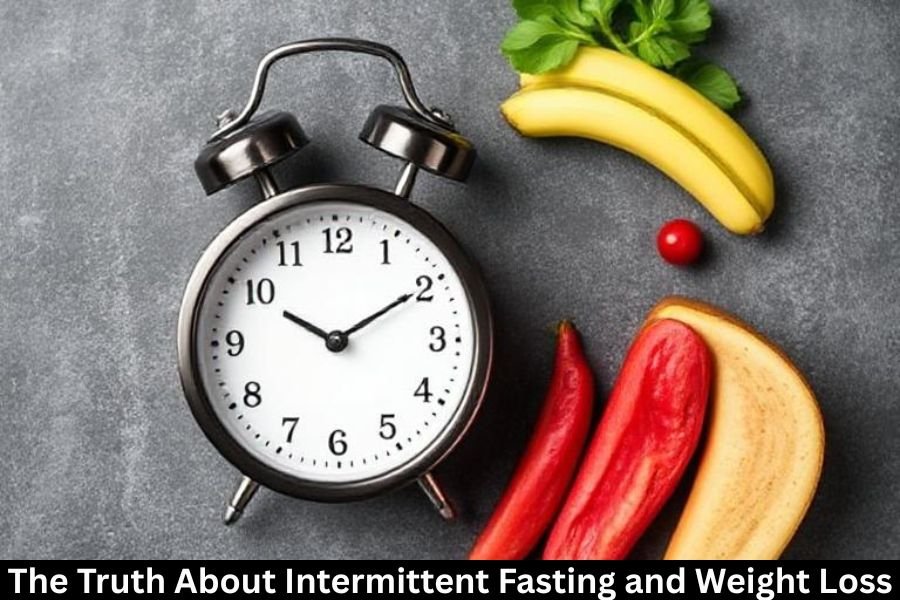
Intermittent fasting (IF) isn’t a diet—it’s a pattern of eating. Instead of focusing on what you eat, it focuses on when you eat. By cycling between periods of eating and fasting, your body enters a state that encourages fat burning, improves metabolism, and, for many, promotes weight loss.
Why It’s Gained Popularity
From social media influencers to top nutritionists, intermittent fasting has become the buzzword for sustainable weight management. Unlike strict diets, it’s flexible, cost-free, and fits into most lifestyles—which is why it’s skyrocketed in popularity.
How Intermittent Fasting Works
The Science Behind Fasting and Metabolism
During fasting, your body exhausts glucose stores and starts using fat for energy. This process, known as lipolysis, converts fat into fuel, helping reduce body fat over time.
Effects on Hormones and Insulin
Fasting reduces insulin levels, which facilitates fat breakdown. It also increases human growth hormone (HGH), aiding muscle preservation and metabolic efficiency.
Fat-Burning Mechanisms
With lower insulin and higher HGH, your body taps into stored fat more efficiently. This creates a natural calorie deficit, one of the keys to weight loss.
Common Intermittent Fasting Methods
16:8 Method
Fast for 16 hours and eat during an 8-hour window. Popular for beginners, it often means skipping breakfast and eating lunch and dinner normally.
5:2 Method
Eat normally for five days and restrict calories to 500–600 for two non-consecutive days. It’s less about strict timing and more about weekly calorie reduction.
Alternate-Day Fasting
Fasting every other day is effective for weight loss but can be challenging for beginners due to hunger pangs.
Eat-Stop-Eat
A 24-hour fast once or twice a week. Best for those who are experienced and want accelerated results, but it requires careful planning.
Intermittent Fasting and Weight Loss
Caloric Restriction and Fat Loss
By naturally limiting the hours you eat, most people consume fewer calories without obsessing over counting, leading to fat loss.
Lean Muscle Preservation
Unlike some extreme diets, IF helps maintain muscle while reducing fat, especially when paired with strength training.
Boosting Metabolic Rate
Short-term fasting can slightly increase metabolism due to higher norepinephrine levels, making your body burn more calories even at rest.
Benefits Beyond Weight Loss
Improved Insulin Sensitivity
Better insulin sensitivity helps reduce the risk of type 2 diabetes and keeps energy levels stable throughout the day.
Reduced Inflammation
Studies show intermittent fasting can lower markers of inflammation, protecting against chronic diseases.
Heart and Brain Health
IF may improve cholesterol, blood pressure, and cognitive function, making it more than just a weight-loss tool.
Myths About Intermittent Fasting
“Fasting Means Starving”
Fasting doesn’t mean you go hungry all day—it’s a structured window where your body simply switches fuel sources.
“You Can Eat Anything in Your Eating Window”
Calorie quality still matters. Junk food will hinder results, even if eaten within the eating window.
“It Works for Everyone the Same Way”
Individual responses vary. Factors like age, sex, health conditions, and lifestyle play major roles.
Potential Risks and Considerations
Who Should Avoid Fasting
Pregnant women, individuals with a history of eating disorders, or people with certain medical conditions should avoid fasting unless supervised by a doctor.
Side Effects and How to Manage Them
Headaches, irritability, or fatigue may occur initially. Staying hydrated and starting gradually helps manage these effects.
Importance of Medical Supervision
Consult a healthcare professional before starting, especially if you have chronic conditions or take medication.
How to Start Intermittent Fasting Safely
Gradual Transition
Start with shorter fasts and gradually extend fasting periods as your body adapts.
Staying Hydrated
Water, tea, and black coffee help curb hunger and maintain energy during fasting periods.
Choosing the Right Fasting Method
Pick a method that fits your lifestyle—consistency is key.
Tips for Maximizing Weight Loss
Pairing Fasting With Exercise
Combine IF with strength training or cardio to maximize fat loss and muscle retention.
Focus on Nutrient-Dense Foods
Eat whole, nutrient-rich foods during eating windows to fuel your body properly.
Track Progress Without Obsession
Monitor results, but avoid overanalyzing daily weight fluctuations. Patience pays off.
Psychological Aspects of Fasting
Mindful Eating During Eating Windows
Savor meals and eat slowly. Mindful eating enhances digestion and prevents overeating.
Avoiding Obsession With Weight
Focusing on overall well-being rather than just the scale keeps your approach sustainable.
Handling Social Challenges
Plan meals around social events, and communicate your fasting schedule to avoid awkward situations.
Common Mistakes People Make
Overeating During Eating Windows
Bingeing negates calorie deficits. Stick to portion control and balanced meals.
Ignoring Sleep and Stress
Poor sleep and high stress can undermine fasting benefits by affecting hormones and hunger cues.
Unrealistic Expectations
Weight loss is gradual. Expecting overnight miracles leads to frustration and quitting.
Success Stories and Case Studies
Real-Life Transformations
Many individuals report losing weight, improving energy, and feeling more focused with intermittent fasting.
How People Integrate Fasting Into Daily Life
Successful fasters make it part of their routine rather than a temporary diet, increasing long-term adherence.
Conclusion
Intermittent fasting is a powerful tool for weight loss and overall health—but it’s not a magic bullet. When combined with proper nutrition, exercise, and a balanced lifestyle, IF can help you lose fat, preserve muscle, and boost well-being. Remember, consistency and personalization are the keys to success.
FAQs
1. Can I drink water during intermittent fasting?
Yes! Water, black coffee, and unsweetened tea are allowed and help manage hunger.
2. How long before I see weight loss results?
Results vary, but many notice changes within 2–4 weeks if combined with a healthy diet.
3. Can women follow the same fasting schedule as men?
Women may need shorter fasts due to hormonal differences. Listen to your body.
4. Is intermittent fasting safe long-term?
Yes, for most healthy adults. However, ongoing monitoring and a balanced diet are crucial.
5. Can I exercise while fasting?
Light to moderate exercise is fine, but listen to your body and avoid extreme workouts during long fasts.








10 Comments
drift hunters is more than a game about sliding a car around corners. It combines driving skill, vehicle tuning, track knowledge, and precise control to create an experience that is easy to start but challenging to master.
As someone who prefers using crypto, this site is a breath of fresh air. Transactions are instant and the privacy is great. kryptocasinokr is perfect for crypto users.
I really enjoy the variety of slots available here. The jackpots feel reachable and the vibe is just right. Big shoutout to ph16jili!
Finally found a reliable link that actually works without any redirects. The interface is very user-friendly. Highly recommend jepor987link to everyone.
Best place to hang out if you are looking for excitement and big wins. The community here is great too. See you all at mpoboss!
Such a fun place to hang out and try my luck. The gameplay is intuitive and I had no issues registering. Love the vibe at phmagojili.
Love how quick the payouts are. I didn’t have to wait long to get my winnings. The customer support is also very helpful and responsive. Try ph8jilibet
The Asian market options here are fantastic. Very inclusive and the rewards system is quite generous. I’m sticking with phplus777asia from now on.
Best app for gaming on the go. The loading times are minimal and the gameplay is buttery smooth. Glad I downloaded vnhitclubapk.
Such a fun atmosphere and the games are so addictive in a good way. I always have a blast on jilibeeonlinecasino.