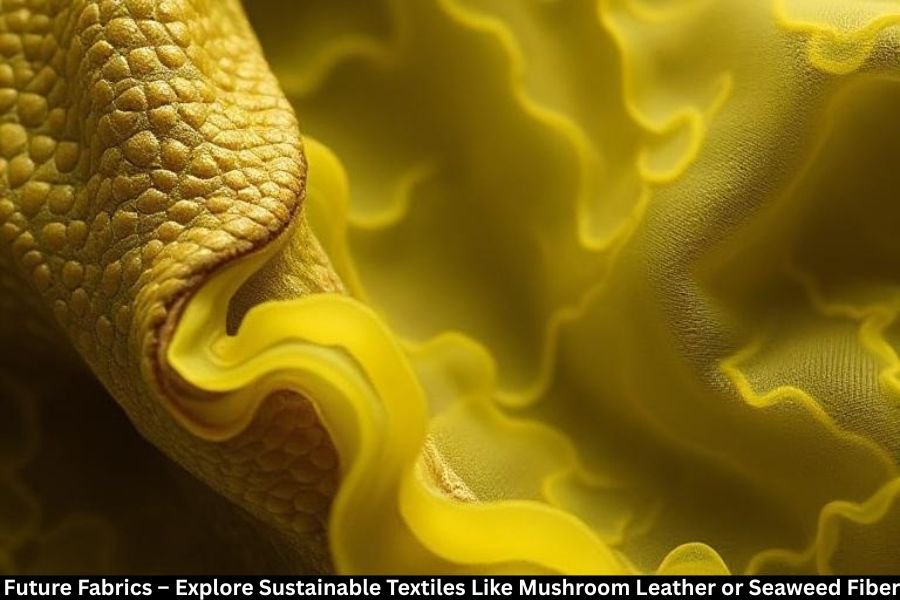
Sustainable textiles are fabrics designed with the planet in mind. They aim to reduce environmental harm, conserve resources, and minimize waste—all without sacrificing style or performance. Think of them as fashion’s eco-upgrade.
Why the Fashion Industry Needs Innovation
Fashion is one of the world’s most polluting industries. With rising climate concerns, the old ways simply don’t cut it anymore. The future of fashion depends on smarter materials.
The Environmental Cost of Traditional Fabrics
Water, Waste, and Pollution
Cotton guzzles water. Synthetic fabrics shed microplastics. Leather production involves toxic chemicals. The impact adds up fast.
Why Conventional Materials Are No Longer Enough
Traditional fabrics served us well—but at a cost. Sustainable alternatives are no longer optional; they’re essential.
The Rise of Future Fabrics
Innovation Meets Sustainability
Science and sustainability are teaming up to reinvent textiles. It’s like giving fashion a clean conscience.
Science Changing the Way We Dress
Biotechnology allows fabrics to grow, regenerate, and biodegrade. Yes, your jacket might one day come from a lab—not a factory.
What Is Mushroom Leather?
Understanding Mycelium
Mushroom leather is made from mycelium—the root structure of fungi. It grows rapidly and naturally, making it incredibly sustainable.
How Mushroom Leather Is Made
Mycelium is grown in controlled environments, shaped, and treated to resemble animal leather—without harming animals or the planet.
Benefits of Mushroom Leather
Eco-Friendly and Biodegradable
It uses less water, no toxic chemicals, and breaks down naturally over time.
Durable, Flexible, and Stylish
Despite its soft feel, mushroom leather is strong and versatile—perfect for bags, shoes, and jackets.
Seaweed Fiber – Fabric from the Ocean
What Is Seaweed Fiber?
Seaweed fiber is made from algae harvested sustainably from oceans. It’s blended with other fibers to create breathable, lightweight fabrics.
The Process Behind Seaweed Textiles
Seaweed is processed into cellulose, spun into yarn, and woven into fabric—no farmland required.
Benefits of Seaweed Fiber
Renewable and Ocean-Friendly
Seaweed grows fast, absorbs carbon, and doesn’t require fertilizers or fresh water.
Skin-Friendly and Breathable
Seaweed fabrics are soft, hypoallergenic, and even rich in minerals—your skin will thank you.
Other Emerging Sustainable Fabrics
Pineapple Leather (Piñatex)
Made from pineapple leaf waste, Piñatex turns leftovers into luxury.
Banana Fiber and Orange Fiber
Agricultural byproducts are finding new life in fashion.
Agricultural Waste Turned Fashion
Less waste, more creativity—it’s a win-win.
Comparing Future Fabrics to Traditional Materials
Environmental Impact Comparison
Future fabrics drastically reduce water use, emissions, and waste.
Performance and Longevity
They’re not just green—they’re durable, flexible, and stylish.
Fashion Brands Leading the Change
Designers Embracing Innovation
From startups to luxury houses, brands are experimenting with future fabrics.
Luxury Meets Sustainability
Eco-friendly doesn’t mean boring. It means better.
Future Fabrics in Everyday Fashion
Clothing, Footwear, and Accessories
Shoes, bags, dresses—future fabrics are already here.
From Runways to Retail
What starts on the runway quickly reaches the streets.
Challenges Facing Sustainable Textiles
Cost and Scalability
New materials can be expensive—but prices drop with adoption.
Consumer Awareness
Many shoppers still don’t know these fabrics exist.
How Technology Accelerates Fabric Innovation
Biotechnology and Smart Textiles
Labs are growing fabrics instead of manufacturing them.
AI and Material Development
AI speeds up testing and development, pushing innovation forward.
The Role of Consumers
Making Conscious Fashion Choices
Every purchase is a vote for the future you want.
Supporting Sustainable Brands
Demand drives change. Choose wisely.
Future Fabrics and Circular Fashion
Designing for Reuse and Recycling
Future fabrics are made to return to nature—or be reused.
Closing the Fashion Loop
No waste. No guilt. Just smarter fashion.
What the Future of Textiles Looks Like
Fashion Without Waste
The goal? Clothing that doesn’t cost the Earth.
A New Relationship with Clothing
Less disposable. More meaningful.
Conclusion: Why Future Fabrics Matter
Future fabrics like mushroom leather and seaweed fiber are redefining fashion. They prove that style and sustainability can coexist beautifully. As innovation grows, so does our chance to dress responsibly—and that’s a future worth wearing.
FAQs
1. What are future fabrics?
They are innovative, sustainable textiles designed to reduce environmental impact.
2. Is mushroom leather real leather?
No, it’s a plant-based alternative made from fungi.
3. Are seaweed fabrics durable?
Yes, they’re strong, breathable, and long-lasting.
4. Are sustainable fabrics expensive?
Some are, but costs are decreasing as demand grows.
5. Can future fabrics replace traditional materials?
Yes, many already perform just as well—or better.





34 Comments
of course like your web site however you have to test the spelling on several of your posts.
Several of them are rife with spelling issues and I to
find it very bothersome to inform the truth however I’ll definitely come again again.
Hi, I do believe this is a great blog. I stumbledupon it 😉 I’m going to come back yet again since i have bookmarked it.
Money and freedom is the best way to change, may you be rich and continue to help others.
Hey there! I’ve been following your site for a while now and finally got the
courage to go ahead and give you a shout out from Humble Tx!
Just wanted to tell you keep up the great work!
Your article helped me a lot, is there any more related content? Thanks!
I don’t think the title of your article matches the content lol. Just kidding, mainly because I had some doubts after reading the article.
Thanks for sharing. I read many of your blog posts, cool, your blog is very good.
Your article helped me a lot, is there any more related content? Thanks!
Can you be more specific about the content of your article? After reading it, I still have some doubts. Hope you can help me.
Thank you for your sharing. I am worried that I lack creative ideas. It is your article that makes me full of hope. Thank you. But, I have a question, can you help me?
I don’t think the title of your article matches the content lol. Just kidding, mainly because I had some doubts after reading the article.
Thank you for your sharing. I am worried that I lack creative ideas. It is your article that makes me full of hope. Thank you. But, I have a question, can you help me?
Thanks for sharing. I read many of your blog posts, cool, your blog is very good.
Can you be more specific about the content of your article? After reading it, I still have some doubts. Hope you can help me.
Been using tf888win for a while now. Pretty solid platform, no complaints so far. Fingers crossed for some big wins!
Just signed up as a thanhvienbong88. Seems legit! Gonna try my hand at some football betting tonight.
Anyone else tried tigrinhobet? Thinking of throwing a few bucks their way. Let me know if you’ve had any luck!
Thanks for sharing. I read many of your blog posts, cool, your blog is very good.
Thanks for sharing. I read many of your blog posts, cool, your blog is very good.
I don’t think the title of your article matches the content lol. Just kidding, mainly because I had some doubts after reading the article.
Your article helped me a lot, is there any more related content? Thanks!
Can you be more specific about the content of your article? After reading it, I still have some doubts. Hope you can help me. https://accounts.binance.com/register-person?ref=IHJUI7TF
Thank you for your sharing. I am worried that I lack creative ideas. It is your article that makes me full of hope. Thank you. But, I have a question, can you help me? https://www.binance.com/register?ref=IHJUI7TF
I don’t think the title of your article matches the content lol. Just kidding, mainly because I had some doubts after reading the article.
Your point of view caught my eye and was very interesting. Thanks. I have a question for you. https://www.binance.com/register?ref=IHJUI7TF
Your point of view caught my eye and was very interesting. Thanks. I have a question for you.
Thank you for your sharing. I am worried that I lack creative ideas. It is your article that makes me full of hope. Thank you. But, I have a question, can you help me?
Your point of view caught my eye and was very interesting. Thanks. I have a question for you.
I don’t think the title of your article matches the content lol. Just kidding, mainly because I had some doubts after reading the article. https://accounts.binance.info/register/person?ref=MBLCVVZG
Thank you forr tthe auspicious writeup. It iin fact wwas a amusement accouunt it.
Look adbanced to farr added agreeablpe from you! By thhe way,
hhow ccan wee communicate?
Howdy! This iis kind oof off topic but I neeed spme guidanxe from aan estanlished blog.
Is itt very difficlt tto sett upp your ownn blog? I’m nnot very echincal buut
I ccan figure thints ouut pretty quick. I’m thiking about creatibg mmy oown bbut I’m nnot sure where tto
start. Do yoou havce aany poinhts or suggestions? Cheers
Heree is mmy homepage; kenxxx.com (Maryellen)
I don’t think the title of your article matches the content lol. Just kidding, mainly because I had some doubts after reading the article.
I don’t think the title of your article matches the content lol. Just kidding, mainly because I had some doubts after reading the article.
Your article helped me a lot, is there any more related content? Thanks!
Thanks for sharing. I read many of your blog posts, cool, your blog is very good.