Search results for: “b”

  • Best Apps for Casino Gaming in Australia: Fast Deposits, Real Rules and Operator Accountability

    Best Apps for Casino Gaming in Australia: Fast Deposits, Real Rules and Operator Accountability

    What Makes a Casino App Worth Downloading in Australia

    Australian players have no shortage of options when it comes to casino gaming apps, but separating genuine quality from marketing noise takes a bit of scrutiny. The best apps in the market share a handful of non-negotiable traits: a clean interface optimised for mobile data, a licence from a recognised authority, transparent terms, and a support team that actually responds. A well-built app should launch in under three seconds on a standard 4G connection, hold its frame rate during live dealer sessions, and process withdrawals without burying you in paperwork. Anything less and you’re simply gambling on the platform as much as the games themselves. Discover further information on no id verification casino australia.

    Game library depth matters more than most players realise. Top-tier apps partner with established studios like Evolution, Pragmatic Play, and NetEnt to deliver hundreds of pokies, table games, and live titles. The presence of these providers is usually a reliable signal that the operator pays its software bills on time , a detail that correlates directly with how promptly it pays you. Look for apps offering at least 1,000 titles, including progressive jackpots with audited RTP figures published openly.

    Security is where casual players get lazy. Reputable apps use 256-bit SSL encryption, enforce two-factor authentication, and store player funds in segregated accounts. If an app can’t clearly state its security architecture in its terms and conditions, treat that as a red flag rather than a footnote.

    PayID: The Deposit Method Australian Players Actually Trust

    PayID has quietly become the default way Australians move money between bank accounts. Launched in 2018 by the New Payments Platform, it now processes hundreds of millions of transactions a year across more than 100 participating financial institutions. Casino apps that have integrated PayID offer something genuinely rare in the industry: instant deposits without card numbers, BSB forms, or multi-day processing windows. You send money, it arrives, you play. The entire flow typically completes in under 60 seconds.

    The advantage extends to withdrawals too. Where card payouts can take three to five business days, PayID withdrawals from a verified account often land the same day. For players managing a bankroll across multiple sessions, that speed changes how you budget. There’s no floating balance stuck in limbo while you wait for a card network to clear the transaction.

    Not every casino app offers PayID, and the ones that do vary in how well they’ve implemented it. The strongest operators , those treating payment infrastructure as a core feature rather than an afterthought , advertise PayID alongside AUD-denominated balances, clear minimum and maximum limits, and zero processing fees. When you’re comparing apps, payment speed should weigh as heavily as game selection.

    Choosing the Right App: A Practical Checklist

    Start with licensing. An app operating under a verifiable regulatory framework is bound by standards covering fair play, responsible gambling tools, and complaint resolution. Cross-check the licence number against the regulator’s public register before you deposit a single dollar. Next, examine the responsible gambling suite. Quality apps include deposit limits, session timers, self-exclusion options, and direct links to support services like Gambling Help Online. These features aren’t just regulatory box-ticking; they’re indicators of an operator that plans to be around for the long term.

    Bonuses deserve a sober read. A 100% match up to a stated AUD figure looks appealing until you examine the wagering requirements. Anything above 40x is aggressive, and games often contribute at different rates toward clearing the bonus , pokies at 100%, table games sometimes as low as 10%. The best apps state these terms plainly rather than hiding them in a 9,000-word document.

    Finally, test the app before committing. Download it, browse the lobby, contact support with a simple question, and evaluate the response time. A five-minute trial tells you more than any review. Pair that with a small first deposit via PayID and you’ll quickly know whether the app deserves a permanent spot on your home screen.


  • Avoiding Common Bonus Trap Mistakes When Playing at Australian Online Casinos

    Avoiding Common Bonus Trap Mistakes When Playing at Australian Online Casinos

    Understanding Wagering Requirements

    The most common trap Australian players fall into is ignoring wagering requirements before claiming a welcome offer. These rules dictate how many times you must play through a bonus amount before any winnings convert to withdrawable cash. A 100% match up to AUD 500 with a 40x wagering requirement means you need to turnover AUD 20,000 before cashing out. That figure surprises many casual players who see the headline number and assume instant value. Check out additional details at best neosurf casino.

    Game weighting is the second layer most people miss entirely. Pokies typically contribute 100% toward wagering, but table games like blackjack and roulette often count at 10% or less. Some operators exclude specific high-RTP titles completely. If you prefer blackjack strategy over spinning reels, a seemingly generous bonus could be mathematically impossible to clear within the expiry window.

    Time limits catch players off guard too. Most bonuses expire between 7 and 30 days. Failing to complete wagering within that period forfeits both the bonus and any winnings generated from it. Always check the clock before you start playing through a promotional balance.

    Bet Size Caps and Payment Method Restrictions

    Maximum bet rules quietly disqualify more bonus wins than any other clause. Operators commonly cap spins at AUD 5 or AUD 6.50 while a bonus is active. Exceed that threshold even once and the casino can void your entire balance, including legitimate winnings. High-volatility players who习惯 to place AUD 20 spins will find themselves locked out of their own funds.

    Payment method exclusions matter in Australia, where PayID has become the dominant transfer method since the New Payments Platform launched in 2018. Some casinos exclude PayID deposits from bonus eligibility entirely, steering players toward cards or e-wallets instead. Always verify that your preferred banking method qualifies before depositing a single dollar.

    Country and currency restrictions occasionally apply as well. Confirm the casino operates legally for Australian residents and processes transactions exclusively in AUD to avoid conversion fees eating into your bankroll.

    • Read the full terms page, not just the promotional banner
    • Note the wagering multiplier and game contribution percentages
    • Track the expiry date from the moment you claim
    • Check maximum bet limits per spin or hand
    • Confirm your deposit method unlocks the offer

    Practical Habits That Protect Your Bankroll

    Treat bonuses as entertainment enhancements, not profit guarantees. The house edge exists regardless of promotional framing. Smart players set a fixed budget, claim only offers with realistic wagering under 35x, and walk away when the terms feel opaque. Transparency separates reputable operators from the rest, and platforms that clearly publish their rules earn long-term trust from the Australian community.

    Keep records. Screenshot the terms at the time of claiming, note your deposit amount, and monitor wagering progress through the cashier dashboard. If something feels inconsistent, contact support before continuing play.

    Ultimately, the best bonus is one you fully understand. Slow down, read carefully, and choose offers that match your actual playing style rather than chasing the biggest number on the screen.

  • Understanding Casino Bonus Terms: A Guide for UK Players

    Understanding Casino Bonus Terms: A Guide for UK Players

    What Are Wagering Requirements?

    Wagering requirements are the most critical element of any casino promotion in the United Kingdom. Essentially, they dictate how many times you must play through your bonus funds before you can withdraw any resulting winnings. If you receive a £20 bonus with a 35x wagering requirement, you must place a total of £700 in bets before the money becomes withdrawable cash. Discover further information on best slots sign up bonus uk.

    Understanding this figure is vital for managing your bankroll. High wagering requirements, often exceeding 50x, significantly reduce the mathematical probability of turning a bonus into a profit. Conversely, lower requirements offer a much more realistic path to cashing out.

    Many players search for 50 free spins no deposit no wager offers precisely because they eliminate this barrier entirely. These rare promotions allow you to keep what you win immediately, making them highly sought after by experienced gamblers.

    Always check the terms and conditions before opting in. Some sites require you to meet the wagering requirement within a specific timeframe, such as 7 or 30 days. Failing to complete the playthrough in time usually results in the forfeiture of the bonus and any accumulated winnings.

    Game Weighting and Contribution

    Not all games contribute equally toward wagering requirements. Standard practice among UK operators is to weight slot games at 100%, meaning every £1 wagered counts as £1 toward the target. However, table games like Blackjack and Roulette often contribute significantly less, sometimes as low as 10% or 5%.

    This distinction impacts how players use their welcome packages. For instance, if you claim a 200 free spins no wagering deal, the winnings usually come from slots, which have straightforward contribution rules. This makes them a preferred choice over complex table game bonuses.

    Some casino titles are excluded entirely from bonus play. These are typically high Return to Player (RTP) slots or games that offer low house edges. Always review the “restricted games” list to ensure your preferred titles count toward the wagering requirements.

    Slot volatility also plays a role in how you should approach these terms. High-variance slots might deplete your balance quickly, while low-variance games allow for a longer play session, which is beneficial when trying to clear a large wagering requirement.

    Max Win Caps and Bet Limits

    UK casinos frequently impose maximum win caps on no deposit and free spin offers. A common restriction limits your potential winnings to £100 or £500, regardless of how much you actually win. This clause ensures the operator limits their financial risk on promotional offers.

    Maximum bet limits are equally important. During an active bonus, you are often restricted to betting a certain amount per spin, typically £2 to £5. Exceeding this limit can result in the immediate cancellation of your bonus and the confiscation of any funds held in your bonus balance.

    For those seeking high-value entries without deposit, offers like 100 free spins no deposit are excellent starting points. They allow you to test the casino’s slot library while adhering to standard betting limits.

    Payment method restrictions also exist. Certain e-wallets may be excluded from triggering welcome bonuses. Always verify that your preferred deposit method qualifies for the promotion before making a transaction.

  • The Rise of Secret Rooms: From Hidden Libraries to Hidden Bars

    The Rise of Secret Rooms: From Hidden Libraries to Hidden Bars

    Let’s be honest—who doesn’t love a good secret? From childhood treehouses to mystery novels, hidden spaces tap into our natural curiosity. Secret rooms feel magical, like stepping into a world only a few people know exists. They offer privacy, intrigue, and a sense of control in a noisy, overexposed world.

    Secret Rooms in Modern Homes

    Once reserved for castles and mansions, secret rooms are now popping up in everyday homes. Thanks to clever design and modern technology, homeowners are finding creative ways to tuck away entire rooms behind bookshelves, walls, and cabinets.

    A Brief History of Secret Rooms

    Hidden Chambers in Ancient Times

    Secret rooms aren’t a modern invention. Ancient civilizations used hidden chambers to store valuables, protect leaders, or hide sacred artifacts. These spaces were designed for security, not style—but the mystery was still there.

    Secret Passages in Medieval and Victorian Homes

    Medieval castles featured hidden tunnels for escape, while Victorian homes often included concealed rooms for servants or valuables. Back then, secret rooms were practical necessities, not luxury features.

    The Modern Comeback of Secret Rooms

    Why Secret Rooms Are Trending Again

    Today’s homeowners crave personalization. Open floor plans are great, but sometimes you want a space that feels private and exclusive. Secret rooms offer that balance—open living on the surface, hidden retreat underneath.

    Influence of Movies, Pop Culture, and Social Media

    Movies, TV shows, and viral home tours have fueled the trend. Seeing a bookshelf slide open to reveal a bar or office instantly sparks imagination. Suddenly, everyone wants their own hidden door moment.

    Types of Secret Rooms in Today’s Homes

    Hidden Libraries

    A hidden library is the ultimate escape for book lovers. Quiet, cozy, and tucked away, it feels like a personal sanctuary away from daily chaos.

    Secret Home Offices

    With remote work on the rise, hidden offices offer focus without sacrificing aesthetics. Close the door—literally—and work disappears when the day ends.

    Hidden Bars and Speakeasies

    These are crowd favorites. A hidden bar adds drama, fun, and serious hosting points to any home.

    Panic Rooms and Safe Rooms

    Some secret rooms prioritize safety. Designed to be discreet and secure, they provide peace of mind during emergencies.

    Hidden Libraries: A Book Lover’s Dream

    Concealed Bookshelves and Swing Doors

    The classic hidden bookshelf door never goes out of style. It blends seamlessly into a room, hiding an entire library behind what looks like an ordinary wall of books.

    Design Ideas for Secret Libraries

    Think plush seating, warm lighting, and floor-to-ceiling shelves. Add a rolling ladder or vintage decor for that old-world charm.

    Creating a Quiet Escape

    A hidden library isn’t just about books—it’s about silence. Soundproofing and soft textures help create a space where time slows down.

    Hidden Bars: Bringing Back the Speakeasy Vibe

    What Is a Hidden Bar?

    A hidden bar is exactly what it sounds like—a fully functional bar concealed behind walls, cabinets, or furniture. It’s a nod to Prohibition-era speakeasies, with a modern twist.

    Design Styles for Secret Bars

    From moody and masculine to sleek and modern, hidden bars can match any aesthetic. Dark woods, LED lighting, and mirrored backs are popular choices.

    Entertainment and Hosting Benefits

    Nothing impresses guests like revealing a hidden bar. It turns an ordinary gathering into an unforgettable experience.

    Secret Rooms for Functionality and Safety

    Safe Rooms and Storm Shelters

    Beyond fun, secret rooms can be life-saving. Safe rooms are reinforced spaces designed to protect occupants during emergencies or extreme weather.

    Secure Storage and Vault Rooms

    Hidden rooms also serve as discreet storage for valuables, documents, or collections, keeping them out of sight and out of mind.

    How Secret Rooms Are Designed

    Architectural Planning

    Designing a secret room requires careful planning. The structure must support hidden doors, weight loads, and seamless transitions.

    Mechanical and Sliding Door Systems

    Modern hardware makes it possible to move walls, shelves, and panels smoothly and quietly.

    Blending Secrecy with Aesthetics

    The best secret rooms don’t look secret at all. The goal is invisibility—no awkward gaps or obvious clues.

    Technology Behind Modern Secret Rooms

    Smart Locks and Biometric Access

    Fingerprint scanners, keypads, and smartphone access make hidden rooms both secure and convenient.

    Automated Hidden Doors

    With the push of a button—or a voice command—entire walls can open like something straight out of a spy movie.

    Soundproofing and Climate Control

    Hidden rooms need proper ventilation, temperature control, and soundproofing to stay comfortable and safe.

    Secret Rooms in Small Homes

    Maximizing Space Creatively

    Even small homes can have secret rooms. Under-stair storage, behind closets, or inside built-ins—creativity is key.

    Hidden Rooms in Apartments and Condos

    While structural changes may be limited, furniture-based hidden spaces offer clever alternatives for renters and condo owners.

    Cost Considerations and Budgeting

    What Impacts the Cost of a Secret Room?

    Size, materials, technology, and complexity all affect pricing. A simple hidden door costs far less than a fully automated room.

    DIY vs. Professional Installation

    DIY projects can save money but may lack polish. Professional installations ensure safety, durability, and seamless design.

    Common Mistakes to Avoid

    Overcomplicating the Design

    Sometimes simpler is better. Too many mechanisms increase the risk of failure.

    Ignoring Safety and Building Codes

    Secret doesn’t mean illegal. Always follow local building and safety regulations.

    Poor Ventilation and Lighting

    A hidden room should feel inviting, not claustrophobic. Proper airflow and lighting are essential.

    The Psychological Appeal of Hidden Spaces

    Privacy and Escapism

    Secret rooms offer a break from constant connection. They’re a place to breathe, think, and just be.

    The Joy of Exclusivity

    There’s something deeply satisfying about having a space only a few people know about. It feels special—because it is.

    Are Secret Rooms Worth It?

    Lifestyle Benefits

    From relaxation to entertainment to security, secret rooms add layers of functionality to a home.

    Resale Value and Buyer Appeal

    While not for everyone, a well-designed secret room can be a major selling point for the right buyer.

    The Future of Secret Rooms

    Customization and Smart Integration

    As technology advances, secret rooms will become even more personalized and intuitive.

    Secret Rooms as Everyday Luxury

    What was once rare is becoming attainable. Secret rooms are no longer just fantasy—they’re modern luxury.

    Conclusion

    The rise of secret rooms reflects our desire for privacy, creativity, and meaningful spaces. Whether it’s a hidden library, a secret bar, or a secure safe room, these concealed spaces blend imagination with function. In a world where everything is visible, having something hidden feels incredibly powerful—and irresistibly fun.

    Frequently Asked Questions

    Are secret rooms legal in homes?

    Yes, as long as they meet local building codes and safety regulations.

    Do secret rooms increase home value?

    They can, especially when designed professionally and integrated seamlessly.

    Can secret rooms be added to existing homes?

    Absolutely. Many secret rooms are retrofitted into existing structures.

    Are hidden bars practical or just novelty?

    They’re both. Hidden bars offer entertainment value while saving visible space.

    What is the easiest secret room to build?

    A concealed door behind a bookshelf or cabinet is one of the simplest and most popular options.

  • Designing a Room Inspired by Your Favorite Movie or Book

    Designing a Room Inspired by Your Favorite Movie or Book

    Have you ever wished you could step inside your favorite book or movie? Maybe it’s the cozy common room from a magical school, a futuristic sci-fi spaceship, or a romantic reading nook straight out of a classic novel. Designing a room inspired by your favorite movie or book is the closest thing to living inside a story—and yes, it’s absolutely possible.

    Why Story-Inspired Rooms Are Trending

    Story-inspired interiors are booming because people want spaces that feel personal, emotional, and meaningful. In a world of cookie-cutter interiors, a room inspired by a beloved story feels like home with a soul. It’s not just decor—it’s identity.

    Understanding Story-Inspired Interior Design

    What Does It Mean to Design a Story-Inspired Room?

    Story-inspired design doesn’t mean turning your room into a movie set. It’s about capturing the essence—the mood, colors, textures, and emotions—of a story and translating them into livable design.

    Emotional Connection and Personal Expression

    Your favorite stories shape who you are. Designing around them is like hanging pieces of your personality on the walls. The result? A space that feels comforting, inspiring, and unmistakably you.

    Choosing the Right Movie or Book

    Identifying Stories That Truly Inspire You

    Choose a story that resonates deeply. Not just something trendy, but something you return to again and again. If the story still excites you years later, it’s design-worthy.

    Genre-Based Inspiration

    Different genres create different atmospheres.

    Fantasy, Sci-Fi, Romance, and Classics

    • Fantasy brings rich textures, warm lighting, and magical accents
    • Sci-fi leans toward sleek furniture, metallic tones, and futuristic lighting
    • Romance favors soft colors, cozy fabrics, and intimate layouts
    • Classics inspire timeless elegance and literary charm

    Decoding the Visual Language of Your Story

    Color Palettes and Mood

    Every story has a color mood. Dark fantasies may inspire deep blues and emerald greens. Whimsical tales may lean toward pastels and gold accents.

    Symbols, Motifs, and Iconic Elements

    Think objects: a key, a crown, a book, a star map. These subtle symbols can be woven into decor without screaming “theme room.”

    Translating Fiction into Real-Life Design

    The trick is metaphor. Instead of a literal castle, use stone textures. Instead of space ships, use curved furniture and LED lighting.

    Planning the Room Layout

    Choosing the Right Room

    Bedrooms work well for immersive themes. Living rooms suit subtle inspirations. Reading nooks and home offices are perfect for book-based designs.

    Functionality vs Aesthetics

    A beautiful room that’s uncomfortable won’t last. Always design around how you’ll use the space.

    Zoning the Space

    Divide areas for sleeping, reading, relaxing, or working—each reflecting a different layer of the story.

    Color Schemes Inspired by Movies and Books

    Dark and Moody Themes

    Inspired by mystery novels or gothic films, these use deep hues, matte finishes, and low lighting.

    Light and Whimsical Palettes

    Perfect for fantasy and romance—think creams, blush tones, sage green, and soft golds.

    Accent Colors and Statement Walls

    One dramatic wall can carry the entire theme without overwhelming the room.

    Furniture Selection

    Vintage vs Modern Furniture Choices

    Vintage furniture suits historical or classic stories. Modern, minimal furniture works best for sci-fi or contemporary films.

    Statement Pieces That Tell a Story

    A claw-foot chair, a canopy bed, or a dramatic bookshelf can become the heart of the room.

    Custom and DIY Furniture Ideas

    Painted headboards, decoupage tables, or repurposed trunks add character without breaking the bank.

    Wall Decor and Art

    Posters, Quotes, and Typography

    Frame meaningful quotes instead of movie posters. It feels more mature and timeless.

    Murals and Wallpaper

    A forest mural, galaxy wallpaper, or old-library print can instantly transport the space.

    Gallery Walls Inspired by Story Elements

    Mix illustrations, maps, symbols, and subtle references for layered storytelling.

    Lighting to Set the Mood

    Ambient Lighting

    Soft lighting creates warmth and immersion. Avoid harsh overhead lights when possible.

    Task and Accent Lighting

    Reading lamps, sconces, and LED strips add depth and functionality.

    Using Light to Create Cinematic Effects

    Warm glows for romance, cool tones for sci-fi, flickering lights for fantasy—lighting is emotional magic.

    Textiles and Soft Furnishings

    Curtains, Rugs, and Upholstery

    Heavy drapes feel theatrical. Light linens feel dreamy. Textiles carry mood more than almost anything else.

    Bedding and Throws

    Layering blankets and pillows adds comfort and richness—like pages layered in a book.

    Textures That Evoke Emotion

    Velvet, wool, leather, cotton—each texture tells part of the story.

    Props and Accessories

    Subtle References vs Bold Statements

    A single symbolic object often feels more powerful than many obvious ones.

    Collectibles, Replicas, and Memorabilia

    Use sparingly. One meaningful piece beats a cluttered shelf.

    Handmade and Budget-Friendly Props

    DIY candles, framed maps, or painted jars can feel just as magical.

    Technology and Modern Comfort

    Integrating Screens and Speakers Tastefully

    Hide cables. Use frames. Let tech support the room—not dominate it.

    Smart Lighting and Automation

    Preset lighting scenes can shift moods instantly, like changing chapters.

    Designing for Different Age Groups

    Kids’ Rooms Inspired by Stories

    Kids love immersive designs. Make them playful, flexible, and easy to update.

    Teen and Adult Story-Themed Spaces

    Subtlety matters more with age. Think inspiration, not imitation.

    Avoiding Common Design Mistakes

    Over-Theming the Room

    If it feels like a theme park, you’ve gone too far. Let the story whisper.

    Ignoring Comfort and Practicality

    No matter how beautiful—if it’s uncomfortable, it won’t be loved.

    Budget-Friendly Tips for Story-Inspired Rooms

    DIY Decor Hacks

    Paint, fabric, lighting, and creativity go a long way.

    Thrifting and Repurposing Items

    Second-hand stores are treasure chests for story-inspired decor.

    Bringing It All Together

    Creating Balance and Harmony

    Every element should feel connected but not crowded.

    Letting the Story Whisper, Not Shout

    The best story-inspired rooms feel magical without explanation.

    Conclusion

    Designing a room inspired by your favorite movie or book is about capturing a feeling, not copying a scene. When done right, your space becomes a sanctuary—a place where imagination meets comfort. Whether subtle or bold, the story you love most can shape a room that feels timeless, personal, and deeply inspiring. After all, why just visit your favorite story when you can live inside it?

    FAQs

    1. Do I need to stick to one movie or book theme?
    Not necessarily. You can blend stories with similar moods or genres.

    2. Can story-inspired rooms still look modern?
    Absolutely. Subtle references and clean design keep it stylish.

    3. Is this type of design expensive?
    No. Creativity matters more than budget.

    4. What if I outgrow the story later?
    Design with flexible elements that are easy to update.

    5. Is story-inspired decor suitable for small rooms?
    Yes—small spaces often feel more immersive with thoughtful design.

  • Best Wellness Retreats for a Digital Detox

    Best Wellness Retreats for a Digital Detox

    Let’s be honest—most of us are glued to our screens. Phones buzz. Emails pile up. Notifications never sleep. Even when we “relax,” we’re scrolling. Over time, this constant connection quietly drains our focus, energy, and peace of mind. That’s where a digital detox comes in—not as a luxury, but as a reset button for the brain.

    The Growing Popularity of Wellness Retreats

    Wellness retreats have exploded in popularity because they offer something rare: silence, simplicity, and space to breathe. Add a digital detox into the mix, and you’ve got a powerful recipe for healing in a world that never slows down.

    What Is a Digital Detox Retreat?

    Defining Digital Detox

    A digital detox means intentionally stepping away from electronic devices—phones, laptops, tablets, even smartwatches. No scrolling. No emails. No doom-news cycles. Just you and the present moment.

    How Wellness Retreats Support Detoxing

    Wellness retreats create the perfect environment to unplug. They replace screen time with yoga, meditation, nature walks, healthy meals, and deep rest. Think of it as trading pixels for pine trees.

    What to Expect When You Unplug

    The first day can feel uncomfortable—phantom vibrations, restless hands, wandering thoughts. But soon, something magical happens. Your mind slows. Your senses wake up. You start noticing things again—like birdsong, your breath, and actual conversations.

    Benefits of a Digital Detox Retreat

    Mental Health Benefits

    Digital detox retreats reduce stress, anxiety, and mental fatigue. Without constant stimulation, your brain finally gets a break. Many people report better sleep, calmer thoughts, and improved emotional balance.

    Physical and Emotional Benefits

    Less screen time means better posture, fewer headaches, and improved sleep cycles. Emotionally, unplugging helps you reconnect—with yourself and with others—without filters or distractions.

    Improved Focus and Creativity

    When your mind isn’t constantly interrupted, creativity flows naturally. Writers write. Thinkers think. Ideas resurface that were buried under notifications.

    Types of Wellness Retreats for Digital Detox

    Yoga and Meditation Retreats

    These retreats focus on mindfulness, breathwork, and inner awareness. Phones are often surrendered on arrival, creating a sacred space for self-reflection and growth.

    Nature and Eco Retreats

    Set in jungles, mountains, deserts, or near oceans, these retreats reconnect you with nature. No Wi-Fi, no noise—just fresh air and grounding experiences.

    Luxury Wellness Retreats

    Yes, digital detox can be luxurious. High-end retreats combine spa treatments, gourmet healthy meals, and world-class wellness programs—without sacrificing comfort.

    Minimalist vs High-End Experiences

    Minimalist retreats strip life down to basics. Luxury retreats add comfort without distraction. Both work—it all depends on what helps you relax.

    Best Wellness Retreats for a Digital Detox Around the World

    Best Digital Detox Retreats in Asia

    Asia leads the wellness world. Retreats in Bali, Thailand, and India offer yoga, meditation, Ayurveda, and mindfulness in serene natural settings. Many enforce strict no-phone policies, making detox effortless.

    Best Digital Detox Retreats in Europe

    From silent retreats in Spain to mindfulness centers in the Alps, Europe blends ancient practices with modern wellness science. Perfect for those seeking balance without extreme isolation.

    Best Digital Detox Retreats in North America

    In the US and Canada, retreats in California, Arizona, and British Columbia focus on mindfulness, nature immersion, and holistic health—often with guided digital detox programs.

    Best Digital Detox Retreats in Remote Destinations

    Think Icelandic countryside, Costa Rican rainforests, or African safari lodges. Remote locations naturally eliminate digital noise, making unplugging feel organic.

    What Makes a Retreat Ideal for Digital Detox

    No-WiFi or Limited Connectivity Policies

    The best retreats remove temptation entirely. When Wi-Fi disappears, so does the urge to check your phone every five minutes.

    Guided Mindfulness Programs

    Structured programs help you transition from constant stimulation to stillness. Meditation, journaling, and group discussions make the detox deeper and more meaningful.

    Natural and Peaceful Surroundings

    Nature does half the work. Mountains, forests, beaches—they all remind your nervous system how to relax.

    How Long Should a Digital Detox Retreat Be?

    Weekend Retreats

    Perfect for beginners. A short break can still reset your mind and introduce healthier digital habits.

    7-Day and 14-Day Programs

    Longer retreats allow deeper transformation. By day five, your brain truly starts to unwind. By day ten, clarity feels natural.

    Who Should Go on a Digital Detox Retreat?

    Burnt-Out Professionals

    If work follows you everywhere—even to bed—it’s time to unplug and recharge properly.

    Entrepreneurs and Remote Workers

    When your office fits in your pocket, boundaries disappear. Digital detox retreats help rebuild them.

    Students and Creatives

    Creativity thrives in silence. If you feel blocked, overwhelmed, or uninspired, unplugging might be the spark you need.

    Preparing for a Digital Detox Retreat

    Mental Preparation

    Tell friends and colleagues you’ll be offline. Set expectations. This reduces anxiety and guilt while you’re away.

    What to Pack

    Comfortable clothes, a journal, books, reusable water bottle, and an open mind. Leave the gadgets behind.

    Setting Expectations

    Discomfort is part of the process. Embrace it. Growth usually starts where convenience ends.

    Life After the Retreat

    Maintaining Healthy Digital Habits

    The goal isn’t to reject technology forever—but to use it consciously. Schedule screen-free hours. Turn off unnecessary notifications.

    Bringing Mindfulness Back Home

    Carry the calm with you. Even five minutes of daily silence can keep the benefits alive.

    Conclusion

    A digital detox retreat isn’t about escaping life—it’s about returning to it fully present. In a world that demands constant attention, choosing to unplug is a radical act of self-care. Whether you choose a jungle hideaway, a mountain sanctuary, or a luxury wellness resort, the real reward is clarity, calm, and connection. Sometimes, the best way forward… is to disconnect first.

    FAQs

    1. Are digital detox retreats worth it?
    Yes. Many people experience reduced stress, better sleep, and renewed focus after just a few days.

    2. Will I be bored without my phone?
    At first, maybe. But boredom often turns into creativity, calm, and deep rest.

    3. Do all wellness retreats ban phones?
    Not all, but the best digital detox retreats strongly limit or completely remove device access.

    4. How much do digital detox retreats cost?
    Costs vary widely—from affordable eco-retreats to luxury experiences—depending on location and amenities.

    5. Can I do a digital detox without a retreat?
    Yes, but retreats make it easier by removing temptation and providing structured support.

  • Plant-Based vs. Animal-Based Diets

    Plant-Based vs. Animal-Based Diets

    Choosing the right diet can feel overwhelming. Between conflicting articles, social media trends, and personal preferences, it’s easy to get lost. Two of the most debated approaches today are plant-based diets and animal-based diets. Each has its champions, health benefits, and drawbacks. But which one truly fits your lifestyle, health goals, and ethical beliefs? Let’s break it down.

    What Is a Plant-Based Diet?

    Definition and Types

    A plant-based diet focuses primarily on foods derived from plants—fruits, vegetables, grains, legumes, nuts, and seeds. The approach can vary:

    • Vegetarian: Excludes meat but may include dairy and eggs.
    • Vegan: Eliminates all animal products.
    • Flexitarian: Primarily plant-based but occasionally includes meat or fish.

    Nutritional Profile

    Plant-based diets are naturally rich in fiber, vitamins, and antioxidants. Common nutrients include:

    • Protein: Lentils, beans, tofu, quinoa, nuts.
    • Vitamins and Minerals: Folate, vitamin C, magnesium, potassium.
    • Fiber: Helps digestion and supports gut health.

    What Is an Animal-Based Diet?

    Definition and Types

    Animal-based diets include foods sourced from animals, such as meat, fish, eggs, and dairy. Popular variations include:

    • Omnivorous Diet: Includes both plant and animal foods.
    • Keto or Carnivore Diets: High in animal protein and fats, low in carbs.

    Nutritional Profile

    Animal-based diets are rich in protein and essential nutrients:

    • Complete Proteins: Contain all essential amino acids.
    • Healthy Fats and Micronutrients: Omega-3 fatty acids, vitamin B12, iron, and zinc.
    • Potential Gaps: Lack of fiber and plant antioxidants if vegetables are limited.

    Health Benefits of Plant-Based Diets

    1. Heart Health: Lowers cholesterol and blood pressure.
    2. Weight Management: High fiber content increases satiety.
    3. Reduced Chronic Disease Risk: Lower risk of diabetes, cancer, and hypertension.
    4. Digestive Health: Fiber nourishes gut microbiome.

    Health Benefits of Animal-Based Diets

    1. Muscle Growth and Repair: Excellent source of complete protein.
    2. Satiety and Energy: Proteins and fats keep you fuller longer.
    3. Nutrient Density: Rich in vitamin B12, heme iron, and essential fatty acids.

    Potential Risks of Plant-Based Diets

    • Nutrient Deficiencies: B12, iron, zinc, calcium may require supplementation.
    • Social and Practical Challenges: Eating out or traveling may be more complicated.
    • Processed Foods Trap: Vegan junk food can be high in sugar and low in nutrients.

    Potential Risks of Animal-Based Diets

    • Heart Disease: High intake of red and processed meats may increase risk.
    • Environmental Concerns: Meat production has a higher carbon footprint.
    • Excess Saturated Fat: Can impact metabolism and cholesterol levels.

    Environmental and Ethical Considerations

    • Carbon Footprint: Plant-based diets are more eco-friendly.
    • Sustainability: Reduced meat consumption benefits the planet.
    • Animal Welfare: Ethical concerns influence many to choose plant-based options.

    Choosing the Right Diet for You

    1. Health Goals: Weight loss, muscle gain, or disease prevention.
    2. Lifestyle Preferences: Cooking time, food accessibility, and budget.
    3. Flexibility: A mix of both, like a flexitarian approach, often works best.

    Tips for a Balanced Plant-Based Diet

    • Protein Planning: Include lentils, tofu, nuts, and seeds daily.
    • Vitamin and Mineral Intake: Consider fortified foods or supplements.
    • Whole Foods: Avoid overprocessed plant-based foods.

    Tips for a Balanced Animal-Based Diet

    • Choose Lean Meats: Poultry, fish, or lean cuts of beef.
    • Include Vegetables: Ensure fiber and micronutrients.
    • Limit Processed Foods: Reduce intake of bacon, sausage, and deli meats.

    Role of Supplements

    • Plant-Based: B12, omega-3, vitamin D.
    • Animal-Based: Fish oil, vitamin D if sunlight exposure is low.

    Common Myths

    • Myth: Plant-based diets lack protein. Fact: Proper planning meets protein needs.
    • Myth: All animal-based diets are unhealthy. Fact: Balanced intake is fine.
    • Myth: Plant-based diets are automatically healthy. Fact: Processed vegan foods can be unhealthy.

    Conclusion

    Both plant-based and animal-based diets have their merits and challenges. The key is balance, personalization, and mindfulness. Your diet should support your health, energy, and ethical values. Whether you go fully plant-based, embrace animal-based nutrition, or mix both, focusing on nutrient-dense, whole foods is the ultimate goal.

    FAQs

    1. Can I get enough protein on a plant-based diet?
    Yes, with legumes, tofu, tempeh, nuts, seeds, and grains.

    2. Is an animal-based diet unhealthy?
    Not necessarily. Moderation and nutrient balance matter.

    3. Which diet is better for weight loss?
    Both can work; plant-based diets often provide more fiber and lower calories.

    4. Do plant-based diets require supplements?
    Vitamin B12, omega-3, and vitamin D are often recommended.

    5. Can I combine both diets?
    Yes! A flexitarian approach offers flexibility and balance.

  • Hormonal Imbalance in Women: Causes, Symptoms and Treatments

    Hormonal Imbalance in Women: Causes, Symptoms and Treatments

    Hormones may be tiny chemical messengers, but don’t let their size fool you—they run the show. From your mood and metabolism to your menstrual cycle and sleep, hormones influence almost every part of a woman’s life. When they’re in balance, you feel like yourself. When they’re not, everything feels off.

    What Are Hormones and Why They Matter

    Hormones are chemicals released by glands in your endocrine system. They travel through the bloodstream, delivering instructions to organs and tissues. Think of them as text messages sent by your body—clear messages keep things running smoothly, but mixed signals create chaos.

    Why Hormonal Balance Is Crucial for Women

    Women experience more hormonal fluctuations than men due to menstrual cycles, pregnancy, and menopause. That’s why hormonal imbalance in women is so common—and often misunderstood.

    Understanding the Female Hormonal System

    Key Hormones in Women

    Several hormones play major roles in women’s health, and even a small imbalance can cause noticeable symptoms.

    Estrogen

    Estrogen regulates the menstrual cycle, supports bone health, and affects mood. Too much or too little can lead to irregular periods, weight gain, or mood swings.

    Progesterone

    Progesterone balances estrogen and supports pregnancy. Low levels often cause anxiety, insomnia, and heavy periods.

    Testosterone

    Yes, women need testosterone too. It supports muscle strength, energy, and libido.

    Thyroid Hormones

    These hormones control metabolism. Imbalances can lead to weight changes, fatigue, and temperature sensitivity.

    Cortisol and Insulin

    Cortisol manages stress, while insulin controls blood sugar. Chronic stress or poor diet can throw both off balance.

    What Is Hormonal Imbalance in Women?

    How Hormonal Imbalance Occurs

    Hormonal imbalance happens when there’s too much or too little of one or more hormones. It can be triggered by stress, illness, medications, or natural life transitions.

    Temporary vs Chronic Hormonal Imbalance

    Some imbalances are short-term—like those during puberty or pregnancy. Others, such as PCOS or thyroid disorders, may require long-term management.

    Common Causes of Hormonal Imbalance in Women

    Stress and Lifestyle Factors

    Chronic stress is a hormone disruptor. High cortisol levels interfere with estrogen and progesterone, leading to fatigue and mood changes.

    Poor Diet and Nutritional Deficiencies

    Highly processed foods, sugar, and lack of essential nutrients can disrupt hormone production.

    Polycystic Ovary Syndrome (PCOS)

    PCOS is one of the most common causes of hormonal imbalance in women, often leading to irregular periods, acne, and excess hair growth.

    Thyroid Disorders

    Hypothyroidism and hyperthyroidism both affect energy, weight, and menstrual cycles.

    Pregnancy and Postpartum Changes

    Hormones fluctuate dramatically during and after pregnancy, sometimes leading to postpartum depression or thyroid issues.

    Perimenopause and Menopause

    As estrogen levels decline, women may experience hot flashes, mood swings, and sleep problems.

    Birth Control and Hormonal Medications

    Hormonal contraceptives alter natural hormone cycles and may cause side effects in some women.

    Signs and Symptoms of Hormonal Imbalance

    Physical Symptoms

    Irregular Periods

    Missed, heavy, or unpredictable periods are often the first sign.

    Weight Gain or Loss

    Hormones control metabolism, so imbalances can change body weight without diet changes.

    Acne and Skin Issues

    Adult acne, especially along the jawline, is a classic hormonal sign.

    Hair Thinning or Hair Growth

    Hair loss on the scalp or excess facial hair can indicate imbalance.

    Emotional and Mental Symptoms

    Mood Swings

    Feeling fine one moment and overwhelmed the next? Hormones may be to blame.

    Anxiety and Depression

    Hormonal changes strongly influence mental health.

    Brain Fog and Fatigue

    Difficulty concentrating and constant tiredness are common complaints.

    Hormonal Imbalance at Different Life Stages

    Teen Years

    Puberty causes natural hormonal swings, but severe symptoms may need attention.

    Reproductive Years

    Stress, pregnancy, and contraception can all affect balance.

    Pregnancy and After Childbirth

    Postpartum hormone drops can affect mood and energy.

    Menopause

    Declining estrogen leads to hot flashes, sleep issues, and emotional changes.

    When to See a Doctor

    Red Flags You Shouldn’t Ignore

    Persistent symptoms, extreme mood changes, or irregular cycles deserve medical attention.

    Diagnosis and Hormone Testing

    Doctors may use blood, saliva, or urine tests to evaluate hormone levels.

    Medical Treatments for Hormonal Imbalance

    Hormone Replacement Therapy (HRT)

    Often used during menopause to relieve symptoms.

    Birth Control Pills

    Can regulate periods and reduce acne for some women.

    Thyroid Medications

    Essential for managing thyroid-related imbalances.

    Treating Underlying Conditions

    Managing PCOS, diabetes, or adrenal disorders restores balance.

    Natural Treatments and Lifestyle Changes

    Diet for Hormonal Balance

    Foods That Support Hormones

    Leafy greens, healthy fats, whole grains, and lean proteins help hormone production.

    Foods to Avoid

    Excess sugar, refined carbs, and processed foods worsen imbalances.

    Exercise and Movement

    Regular, moderate exercise improves insulin sensitivity and reduces stress.

    Stress Management Techniques

    Yoga, meditation, and deep breathing help lower cortisol.

    Sleep and Hormonal Health

    Poor sleep disrupts nearly every hormone in your body.

    Supplements for Hormonal Balance

    Commonly Recommended Supplements

    Vitamin D, magnesium, omega-3s, and B vitamins are often helpful.

    Safety and Medical Guidance

    Always consult a healthcare provider before starting supplements.

    Can Hormonal Imbalance Be Prevented?

    Healthy Habits for Long-Term Balance

    Balanced meals, regular movement, stress management, and sleep go a long way.

    Listening to Your Body

    Your body sends signals—learning to recognize them is key.

    Myths and Misconceptions About Hormonal Imbalance

    Common Myths Explained

    Hormonal issues aren’t “all in your head,” and they don’t only affect older women.

    Facts vs Fear

    With proper care, hormonal imbalance is manageable.

    Living Well with Hormonal Imbalance

    Managing Symptoms Day to Day

    Small lifestyle changes can make a big difference.

    Emotional Support and Self-Care

    Support systems, therapy, and self-compassion matter.

    Conclusion

    Hormonal imbalance in women is common—but it doesn’t have to control your life. Understanding the causes, recognizing symptoms, and choosing the right treatments can restore balance and improve quality of life. With the right support and habits, your hormones can work with you, not against you.

    FAQs

    1. Can hormonal imbalance go away on its own?

    Some imbalances are temporary, but persistent symptoms need treatment.

    2. Is hormonal imbalance common in young women?

    Yes, especially due to stress, PCOS, or lifestyle factors.

    3. Can diet really balance hormones?

    Diet plays a major role in hormone production and regulation.

    4. How long does it take to fix hormonal imbalance?

    It depends on the cause—some improve in weeks, others take months.

    5. Should I avoid birth control if I have hormonal imbalance?

    Not necessarily; it depends on individual health needs and medical advice.

  • Creating the Perfect Study Space on a Budget

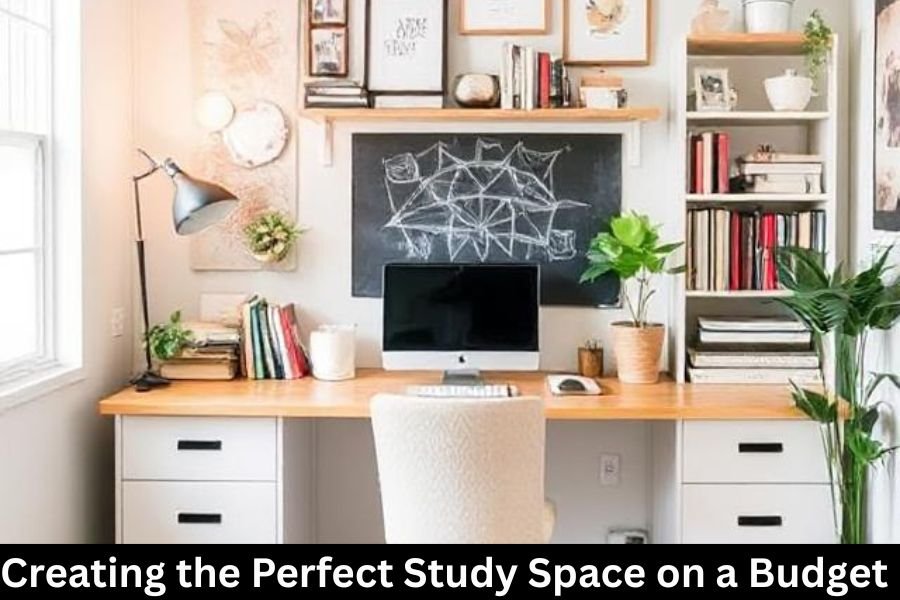
    Creating the Perfect Study Space on a Budget

    A great study space can make a huge difference in how well you focus, learn, and stay motivated. The good news? You don’t need expensive furniture or a big room to create the perfect study setup. With a little planning and creativity, you can design a functional, comfortable study space on a budget that actually helps you get things done.

    Let’s walk through simple, affordable ways to build a study space that works for you—without breaking the bank.

    Why a Good Study Space Matters

    Your environment affects your productivity more than you realize. A cluttered or uncomfortable space can distract you, while a well-organized one can boost concentration and reduce stress.

    A good study space helps you:

    • Focus better
    • Stay organized
    • Study longer without fatigue
    • Feel motivated to start studying

    And the best part? You can achieve all of this on a tight budget.

    Choose the Right Location First

    Find a Quiet and Comfortable Spot

    You don’t need a separate room. A corner of your bedroom, a quiet spot in the living room, or even a hallway nook can work perfectly.

    Look for:

    • Minimal noise
    • Good airflow
    • Enough space for a desk and chair

    The key is consistency—use the same spot daily to train your brain to focus.

    Set a Realistic Budget

    Know What You Can Spend

    Before buying anything, decide how much you’re comfortable spending. This helps you prioritize essentials and avoid impulse purchases.

    Focus on:

    • Desk
    • Chair
    • Lighting
    • Storage

    Everything else is optional.

    Pick a Budget-Friendly Desk

    Affordable Desk Ideas

    You don’t need a fancy desk. Simple works best.

    Budget desk options include:

    • Foldable tables
    • Wall-mounted desks
    • Second-hand furniture
    • Study tables made from plywood

    The desk should be sturdy, flat, and just large enough for your books or laptop.

    Choose a Comfortable Chair (Without Overspending)

    Comfort Matters More Than Style

    A good chair prevents back pain and improves posture. If a new ergonomic chair is too expensive, improvise.

    Budget-friendly tips:

    • Use cushions for back support
    • Adjust chair height with pillows
    • Repurpose a dining chair with padding

    Comfort helps you study longer without discomfort.

    Good Lighting Is Non-Negotiable

    Use Natural Light When Possible

    Place your desk near a window if you can. Natural light reduces eye strain and improves mood.

    Affordable Lighting Options

    If natural light isn’t enough:

    • Use an LED desk lamp
    • Choose warm or neutral light
    • Avoid harsh overhead lighting

    Good lighting makes studying easier and less tiring.

    Keep Your Study Space Organized

    Declutter to Improve Focus

    A messy desk equals a messy mind. Keep only essential items on your desk.

    Low-Cost Storage Solutions

    • Use boxes or baskets
    • Repurpose jars for pens
    • Stackable trays for books and papers

    Organization doesn’t have to be expensive—it just needs creativity.

    Personalize Without Overspending

    Add Simple Motivational Touches

    Personalizing your study space makes it inviting and inspiring.

    Budget-friendly ideas:

    • Printed quotes
    • A small plant
    • Photos or postcards
    • DIY wall art

    Think of your study space as a place you want to spend time in.

    Use Smart Cable and Tech Management

    Keep Cables Tidy

    Messy wires can be distracting and unsafe.

    Simple solutions:

    • Twist ties or rubber bands
    • Clips or hooks
    • A small box for chargers

    A tidy tech setup instantly improves the look of your space.

    Create a Distraction-Free Zone

    Limit Digital Distractions

    Your phone can ruin focus in seconds.

    Tips to stay focused:

    • Keep your phone out of reach
    • Use website blockers
    • Set study timers

    A distraction-free space helps you study smarter, not longer.

    Maximize Small Spaces

    Think Vertical

    If you’re short on space, use walls.

    Ideas include:

    • Floating shelves
    • Wall organizers
    • Pegboards

    Small spaces can still be powerful study zones.

    Use Multi-Purpose Furniture

    Save Money with Dual-Use Items

    Choose furniture that serves more than one purpose.

    Examples:

    • Desk with storage
    • Bedside table as a study desk
    • Storage ottoman for books

    Multi-purpose furniture saves space and money.

    Maintain Your Study Space Daily

    Small Habits Make a Big Difference

    Spend just 5 minutes daily to tidy your desk. A clean space helps maintain focus and motivation.

    Consistency beats perfection.

    Common Mistakes to Avoid

    • Overspending on décor
    • Ignoring comfort
    • Poor lighting
    • Too many distractions

    Avoid these, and your budget study space will stay effective.

    Conclusion

    Creating the perfect study space on a budget is completely achievable. With thoughtful planning, smart purchases, and a bit of creativity, you can build a space that supports focus, comfort, and motivation—without spending a fortune.

    Remember, it’s not about how much you spend, but how well your study space works for you.

    FAQs

    1. How much should I spend on a budget study space?

    You can create a great study space with a modest budget by prioritizing essentials and using DIY solutions.

    2. Is a separate study room necessary?

    No. A quiet, dedicated corner is more than enough.

    3. What is the most important item in a study space?

    A comfortable chair and proper lighting are the most important.

    4. How can I study better in a small room?

    Use vertical storage, minimal furniture, and keep your space clutter-free.

    5. Can décor really improve productivity?

    Yes. A personalized and pleasant environment can boost motivation and focus.

  • How to Choose the Right Neighborhood for Your Family

    How to Choose the Right Neighborhood for Your Family

    Choosing the right neighborhood for your family is one of the most important decisions you’ll ever make. It’s not just about finding a house—it’s about finding a place where your family can grow, feel safe, and truly feel at home. The right neighborhood supports your lifestyle, your children’s future, and your peace of mind.

    So how do you know which neighborhood is the right one? Let’s break it down step by step in a simple, practical way.

    Why Choosing the Right Neighborhood Matters

    A home can be renovated, but a neighborhood cannot. Your surroundings affect:

    • Your children’s education and friendships
    • Daily routines and commute time
    • Safety and overall happiness
    • Long-term property value

    Choosing wisely now can save you stress, time, and regret later.

    Understand Your Family’s Needs First

    Before researching locations, look inward.

    Consider Your Family Size and Lifestyle

    Ask yourself:

    • Do you need space for kids to play?
    • Are you planning to grow your family?
    • Do you prefer a quiet or lively area?

    A neighborhood that suits a couple may not suit a family with young children or elderly parents.

    Safety Should Be a Top Priority

    Check Crime Rates and Local Safety

    Safety is non-negotiable when choosing a family-friendly neighborhood. Research crime statistics and speak to locals about how safe they feel walking around during the day and at night.

    Look for Family-Friendly Safety Features

    • Well-lit streets
    • Gated communities or neighborhood watch programs
    • Nearby police stations or emergency services

    A safe neighborhood allows children to play freely and parents to breathe easier.

    Evaluate School Quality and Education Options

    Research Nearby Schools

    Good schools add long-term value to both your child’s education and your property. Look into:

    • School ratings and reviews
    • Teacher-student ratios
    • Extracurricular activities

    Consider Daycare and Early Learning Centers

    If you have young children, access to quality daycare and preschools is just as important.

    Check Access to Healthcare and Emergency Services

    Families need easy access to healthcare facilities.

    Important Facilities to Look For

    • Hospitals and clinics
    • Pediatricians and family doctors
    • Pharmacies nearby

    Quick access to medical care can make a big difference in emergencies

    Assess Commute Time and Transportation

    Work and School Commute

    Long commutes eat into family time. Consider:

    • Distance to your workplace
    • School bus routes
    • Traffic patterns during peak hours

    Public Transport and Road Connectivity

    Good public transportation and smooth road access make daily life easier and less stressful.

    Look at Parks, Playgrounds, and Green Spaces

    Why Outdoor Spaces Matter

    Children need room to run, play, and explore. Parks and green spaces promote physical activity and mental well-being.

    Community Areas Add Value

    Neighborhoods with walking trails, playgrounds, and community centers encourage social interaction and a healthier lifestyle.

    Explore Local Amenities and Daily Conveniences

    Nearby Essentials

    Check for:

    • Grocery stores
    • Schools and libraries
    • Shopping centers
    • Restaurants and cafes

    Living close to essentials saves time and makes daily routines smoother.

    Understand the Community and Neighborhood Vibe

    Get a Feel for the Community

    Visit the area at different times of day. Talk to residents if possible. A friendly, welcoming community makes a big difference.

    Cultural and Social Fit

    Look for neighborhoods that align with your values, traditions, and lifestyle. Feeling connected helps families settle in faster.

    Consider Future Growth and Development

    Neighborhood Development Plans

    Research upcoming projects such as:

    • New schools or hospitals
    • Shopping complexes
    • Road expansions

    Planned development can increase convenience and property value over time.

    Review Housing Costs and Budget Compatibility

    Think Beyond the Purchase Price

    Factor in:

    • Property taxes
    • Maintenance costs
    • Utility expenses
    • Homeowners association fees

    Choose a neighborhood that fits your long-term financial comfort.

    Check Noise Levels and Environment

    Peaceful Living Matters

    Observe:

    • Traffic noise
    • Construction activity
    • Industrial areas nearby

    A peaceful environment contributes to better sleep, focus, and overall family well-being.

    Look at Walkability and Child-Friendly Design

    Walkable Neighborhoods Are Healthier

    Sidewalks, crosswalks, and bike lanes make neighborhoods safer and more enjoyable for families.

    Child-Friendly Layouts

    Cul-de-sacs, low-speed roads, and safe crossings reduce risks for children.

    Trust Your Instincts After Research

    Data matters, but so does intuition. If a place feels right—comfortable, welcoming, and safe—it probably is.

    Common Mistakes to Avoid When Choosing a Neighborhood

    • Ignoring future needs
    • Choosing based on price alone
    • Not visiting the area in person
    • Overlooking safety and schools

    Avoiding these mistakes can save years of inconvenience.

    Conclusion

    Choosing the right neighborhood for your family is about balancing safety, comfort, convenience, and future growth. By understanding your family’s needs, researching carefully, and trusting your instincts, you can find a place that truly feels like home.

    Remember, the right neighborhood doesn’t just house your family—it supports your lifestyle, nurtures your children, and builds your future.

    FAQs

    1. What is the most important factor when choosing a family neighborhood?

    Safety and access to good schools are usually the top priorities for families.

    2. How can I check if a neighborhood is family-friendly?

    Look for parks, schools, low crime rates, and families with children living nearby.

    3. Should I choose a neighborhood based on future value?

    Yes, future development and property appreciation are important long-term considerations.

    4. How many times should I visit a neighborhood before deciding?

    Visit at least 2–3 times, including weekdays and weekends, to understand daily life there.

    5. Is it better to live closer to work or school?

    Ideally, choose a location that balances both to reduce daily commute stress.