Search results for: “b”

  • Community-Based Tourism

    Community-Based Tourism

    Travel isn’t what it used to be—and that’s a good thing. Gone are the days when tourism was only about ticking landmarks off a list and rushing to the next photo spot. Today’s travelers want more. They want connection, meaning, and stories worth telling. This shift has opened the door to a powerful movement known as community-based tourism.

    Why Community-Based Tourism Matters Today

    In a world grappling with climate change, cultural erosion, and economic inequality, the way we travel matters more than ever. Community-based tourism flips the traditional tourism model on its head by putting local people—not big corporations—at the center of the experience.

    What Is Community-Based Tourism?

    Definition and Core Concept

    Community-based tourism (CBT) is a form of tourism where local communities own, manage, and benefit directly from tourism activities. Instead of profits leaking out to international companies, the income stays within the community.

    How It Differs from Mass Tourism

    Mass tourism often prioritizes volume over value. Think crowded resorts, standardized experiences, and environmental strain. Community-based tourism is the opposite—small-scale, personalized, and deeply rooted in local culture.

    Key Principles of Community-Based Tourism

    At its heart, CBT is built on:

    • Community ownership and participation
    • Cultural preservation
    • Environmental sustainability
    • Fair economic distribution

    The Roots and Evolution of Community-Based Tourism

    Historical Background

    Community-based tourism emerged as a response to the negative impacts of mass tourism in developing regions. Communities realized that while tourists were visiting their lands, locals weren’t benefiting—and sometimes were being harmed.

    Rise of Responsible and Sustainable Travel

    As travelers became more conscious, demand grew for ethical and sustainable experiences. Community-based tourism naturally aligned with this mindset, offering a win-win for hosts and guests.

    How Community-Based Tourism Works

    Role of Local Communities

    Local residents are the planners, hosts, guides, and decision-makers. From homestays to guided walks, everything is shaped by community knowledge and values.

    Role of Tourists

    Tourists aren’t just consumers—they’re participants. Respect, curiosity, and openness are key. The goal isn’t to observe a culture from the outside, but to experience it from within.

    Role of NGOs and Governments

    NGOs and government bodies often support training, funding, and infrastructure while ensuring tourism development remains ethical and sustainable.

    Partnerships and Collaboration Models

    Successful CBT initiatives thrive on collaboration—communities, tour operators, and development organizations working toward shared goals.

    Types of Community-Based Tourism Experiences

    Cultural and Heritage Tourism

    From traditional dance performances to craft workshops, cultural tourism helps preserve traditions while creating income opportunities.

    Rural and Village Tourism

    Visitors stay in villages, participate in farming activities, cook local meals, and experience daily life—simple, slow, and deeply human.

    Eco and Nature-Based Tourism

    Guided forest walks, wildlife conservation projects, and eco-lodges allow travelers to enjoy nature while protecting it.

    Homestays and Local Experiences

    Homestays are the heartbeat of community-based tourism. Sharing meals and stories with hosts creates memories no hotel ever could.

    Benefits of Community-Based Tourism

    Economic Benefits for Local Communities

    CBT creates jobs, supports small businesses, and diversifies income sources—especially in rural areas where opportunities are limited.

    Social and Cultural Benefits

    Tourism becomes a reason to preserve languages, rituals, and traditions rather than abandon them.

    Environmental Benefits

    When communities depend on nature for tourism, conservation becomes a priority—not an afterthought.

    Benefits for Travelers

    Authentic Travel Experiences

    No scripts. No crowds. Just real people and real stories.

    Deeper Cultural Connections

    You don’t just learn about a culture—you live it, even if only briefly.

    Meaningful and Purpose-Driven Travel

    Knowing your visit contributes positively makes the journey far more rewarding.

    Challenges Facing Community-Based Tourism

    Limited Infrastructure

    Remote communities may lack roads, internet access, or healthcare facilities, limiting tourism growth.

    Marketing and Visibility Issues

    Many CBT initiatives struggle to reach global audiences due to limited marketing resources.

    Balancing Tourism and Local Life

    Too many visitors can disrupt daily life, making careful planning essential.

    Community-Based Tourism vs Mass Tourism

    Key Differences Explained

    Mass tourism maximizes profit. Community-based tourism maximizes value—for people, culture, and the planet.

    Why Travelers Are Shifting Preferences

    Modern travelers crave authenticity and impact, not just convenience.

    Best Destinations for Community-Based Tourism

    Community-Based Tourism in Asia

    Nepal, Thailand, and Indonesia lead with village stays and cultural immersion programs.

    Community-Based Tourism in Africa

    Kenya, Tanzania, and Namibia showcase CBT through wildlife conservation and indigenous experiences.

    Community-Based Tourism in Latin America

    Peru, Guatemala, and Colombia offer rich cultural and rural tourism initiatives.

    Community-Based Tourism in Europe

    From Spain’s rural villages to Eastern Europe’s heritage communities, CBT is growing fast.

    How to Be a Responsible Community-Based Tourist

    Respecting Local Culture

    Learn basic customs, dress appropriately, and ask before taking photos.

    Supporting Local Businesses

    Buy local crafts, eat local food, and hire local guides.

    Minimizing Environmental Impact

    Use less plastic, conserve water, and follow eco-friendly practices.

    Role of Technology in Community-Based Tourism

    Digital Platforms and Storytelling

    Websites and social media help communities share their stories with the world—on their own terms.

    Ethical Marketing and Online Visibility

    Technology can amplify CBT without exploiting it, when used responsibly.

    The Future of Community-Based Tourism

    Trends Shaping the Industry

    Slow travel, regenerative tourism, and conscious consumerism are pushing CBT into the spotlight.

    Community Empowerment and Sustainability

    The future of tourism belongs to communities that control their own narratives and resources.

    Conclusion

    Community-based tourism isn’t just a travel trend—it’s a movement. It proves that tourism can uplift communities, protect cultures, and create unforgettable experiences all at once. When you choose community-based tourism, you’re not just visiting a destination—you’re becoming part of its story.

    FAQs

    1. Is community-based tourism safe for travelers?
    Yes, most CBT initiatives prioritize safety and hospitality, often more personally than mass tourism.

    2. Is community-based tourism expensive?
    Not usually. Many CBT experiences are affordable and offer great value.

    3. How do I find authentic community-based tourism experiences?
    Look for certified CBT programs, NGOs, or ethical travel platforms.

    4. Does community-based tourism really help locals?
    Yes, when done correctly, it directly supports local livelihoods and development.

    5. Can families participate in community-based tourism?
    Absolutely. Many CBT experiences are family-friendly and educational.

  • Tech Meets Fashion – Wearable Tech Trends

    Tech Meets Fashion – Wearable Tech Trends

    Fashion has always been about self-expression, while technology has focused on innovation and efficiency. But what happens when these two worlds collide? The result is wearable technology—a fast-growing trend where style meets smart functionality. From smartwatches to intelligent clothing, wearable tech is redefining how we dress, live, and interact with the world.

    Let’s dive into how tech meets fashion, the latest wearable tech trends, and why this fusion is more than just a passing trend.

    What Is Wearable Technology?

    Wearable technology refers to electronic devices designed to be worn on the body, either as accessories, clothing, or jewelry. These devices collect data, provide insights, and enhance everyday experiences—all while fitting seamlessly into personal style.

    Common examples include:

    • Smartwatches
    • Fitness trackers
    • Smart rings and jewelry
    • Smart clothing and fabrics
    • AR (Augmented Reality) glasses

    The goal? Technology that works quietly, looks good, and feels natural.

    Why Fashion and Technology Are Merging

    People no longer want devices that just function well—they want them to look stylish and feel comfortable. Nobody enjoys wearing something that feels bulky, awkward, or out of place with their outfit.

    Fashion adds:

    • Aesthetic appeal
    • Comfort and wearability
    • Personal expression

    Technology adds:

    • Smart features
    • Health tracking
    • Convenience and connectivity

    Together, they create wearables that are useful, fashionable, and personal.

    The Evolution of Wearable Tech

    From Bulky Gadgets to Stylish Accessories

    Early wearable devices were functional but unattractive. Think thick fitness bands and clunky designs that screamed “tech experiment.” Over time, brands realized that design matters just as much as performance.

    Today’s wearables are:

    • Slimmer and lighter
    • Customizable
    • Designed to blend with modern fashion

    Wearable tech has officially moved from awkward gadget to style essential.

    Smartwatches: The Most Popular Wearable

    Smartwatches are the gateway to wearable technology. They combine fashion and functionality like no other device.

    Key Features of Smartwatches

    • Fitness and activity tracking
    • Heart rate and sleep monitoring
    • Notifications and calls
    • Contactless payments

    Smartwatches as Fashion Statements

    With interchangeable straps, customizable watch faces, and premium finishes, smartwatches now work with casual, business, and even formal outfits. One device, endless styles.

    Smart Jewelry: Technology You Don’t Notice

    Smart rings, necklaces, and bracelets are gaining popularity because they don’t look like tech at all.

    Why Smart Jewelry Is Trending

    • Minimal and elegant design
    • Discreet health and activity tracking
    • Comfortable for all-day wear

    It’s technology hiding in plain sight—working quietly while looking beautiful.

    Smart Clothing and E-Textiles

    What Is Smart Clothing?

    Smart clothing uses conductive fabrics and embedded sensors to monitor body movements, temperature, and health data. Unlike accessories, the technology is built directly into the garment.

    Popular Uses of Smart Clothing

    • Fitness and sports performance tracking
    • Posture correction
    • Temperature-regulating jackets
    • Rehabilitation and medical monitoring

    It’s like your clothes understand you—and respond accordingly.

    Fitness Wearables and Athleisure Fashion

    Fitness wearables changed how people think about health. Tracking steps, calories, and sleep turned wellness into a daily habit.

    The Rise of Athleisure with Tech

    Athleisure already blurred the line between gym wear and casual fashion. Adding wearable tech made it smarter. Now, activewear can track performance while still looking stylish enough for everyday life.

    Luxury Fashion Meets Wearable Tech

    High-end fashion brands are embracing technology through exclusive collaborations with tech companies.

    Luxury Wearables Offer

    • Premium materials
    • Elegant craftsmanship
    • Limited-edition designs

    Luxury wearable tech isn’t just about features—it’s about status, craftsmanship, and innovation combined.

    Augmented Reality (AR) in Wearable Fashion

    AR wearables are bringing futuristic experiences into daily life.

    AR Glasses and Smart Accessories

    • Navigation displayed in real time
    • Notifications without using a phone
    • Interactive digital overlays

    Virtual Try-Ons and Smart Shopping

    AR technology allows users to visualize outfits and accessories before buying. Shopping becomes faster, more interactive, and more personalized.

    Health and Wellness Wearable Tech Trends

    Wearables are becoming essential health companions rather than simple fitness tools.

    Medical and Wellness Wearables

    • Heart rate and oxygen monitoring
    • Sleep and recovery analysis
    • Early detection of health issues

    Mental Health and Stress Tracking

    Many wearables now track stress levels and breathing patterns, offering gentle reminders to relax. In a fast-paced world, that small nudge can make a big difference.

    Sustainability in Wearable Fashion

    Sustainability is shaping the future of fashion—and wearable tech is no exception.

    Eco-Friendly Wearable Innovations

    • Recycled and biodegradable materials
    • Energy-efficient components
    • Longer-lasting designs

    Smart fashion is learning to be responsible, not just innovative.

    Wearable Tech for Safety and Security

    Wearables are also being designed to protect users.

    Popular Safety Wearables

    • Smart rings with emergency alerts
    • GPS-enabled accessories
    • Discreet panic buttons

    These devices offer peace of mind without compromising style.

    Artificial Intelligence in Wearable Tech

    AI plays a major role in making wearables smarter over time.

    How AI Enhances Wearable Fashion

    • Learns user habits
    • Provides personalized insights
    • Improves recommendations

    The more you use your wearable, the better it understands you.

    Challenges Facing Wearable Tech Fashion

    Despite its growth, wearable tech faces some hurdles.

    Common Challenges

    • Data privacy concerns
    • Battery life limitations
    • Balancing comfort and technology

    Brands continue to innovate to overcome these issues and improve user trust.

    The Future of Wearable Tech Trends

    The future of wearable technology looks exciting and deeply integrated.

    What’s Coming Next

    • Fully connected smart outfits
    • Invisible sensors woven into fabrics
    • Greater focus on sustainability and personalization

    Fashion won’t just be worn—it will interact, adapt, and evolve with the wearer.

    Conclusion

    The fusion of fashion and technology is transforming how we dress and live. Wearable tech trends prove that innovation doesn’t have to sacrifice style. From health tracking to safety, sustainability to self-expression, wearable technology is becoming an essential part of modern fashion.

    As tech meets fashion, one thing is clear: the future of style is smart, personal, and beautifully functional.

    FAQs

    1. What is wearable technology in fashion?

    Wearable technology in fashion includes clothing and accessories with built-in tech features that enhance functionality and user experience.

    2. Are wearable tech devices comfortable for daily use?

    Yes, modern wearables are designed to be lightweight, stylish, and comfortable for all-day wear.

    3. Is wearable tech only for fitness?

    No, wearable tech covers health, safety, fashion, productivity, and lifestyle needs.

    4. Is wearable fashion expensive?

    Wearable tech is available at various price points, from affordable fitness trackers to luxury smart accessories.

    5. What is the future of wearable tech in fashion?

    The future includes smarter fabrics, better personalization, sustainability, and seamless integration into everyday clothing.

  • What Your Home’s Layout Says About Your Personality

    What Your Home’s Layout Says About Your Personality

    Paint colors and throw pillows are fun, but your home’s layout? That’s where the real story lives. Layout determines how you move, gather, rest, and connect. It quietly reflects your habits, priorities, and even your emotional needs.

    The Psychology Behind Living Spaces

    Psychologists have long believed that the way we shape our environments reflects who we are. Your home isn’t just a place you live—it’s a three-dimensional personality test.

    The Connection Between Personality and Home Design

    How Personalities Shape Spatial Preferences

    Some people crave openness and flow, while others need walls and doors to feel safe. These preferences aren’t random. They’re tied to how you think, feel, and recharge.

    Nature vs Nurture in Home Layout Choices

    Your upbringing, culture, and life experiences all influence how you want your space to function. The result? A layout that feels “right” to you, even if you can’t explain why.

    Open-Concept Layouts and What They Reveal

    The Social Butterfly Personality

    Love open layouts? You’re probably social, expressive, and energized by connection. Open spaces invite conversation and shared experiences.

    Openness, Creativity, and Flexibility

    Open floor plans often attract creative thinkers who dislike rigid rules. These layouts allow life to unfold naturally.

    Pros and Cons of Open Living

    While open layouts encourage connection, they can overwhelm those who need quiet and structure.

    Closed Floor Plans and Structured Thinkers

    Privacy-Loving Personalities

    If you prefer defined rooms, you likely value privacy and personal boundaries. You recharge alone and think deeply.

    Traditional Values and Boundaries

    Closed layouts often appeal to people who appreciate routine, tradition, and emotional security.

    Emotional Comfort in Defined Spaces

    Walls create mental clarity. Each room has a purpose—and that feels comforting.

    Minimalist Layouts and Calm Minds

    The Organized and Intentional Personality

    Minimalist layouts signal intentional living. You value quality over quantity and dislike visual noise.

    Control, Clarity, and Mental Space

    Less clutter equals less stress. Your layout supports mental clarity and emotional balance.

    Eclectic and Flexible Layouts

    Creative and Free-Spirited Individuals

    If your home doesn’t follow rules, neither do you. Flexible layouts attract imaginative, curious personalities.

    Adapting Spaces to Match Mood

    Rooms shift purpose as your energy changes—because freedom matters to you.

    Large Living Areas vs Cozy Spaces

    Entertainers and Extroverts

    Large living spaces scream “host.” You love gathering people and feeding off shared energy.

    Introverts and Intimate Corners

    Cozy layouts reflect introspection. Small spaces feel safe, personal, and grounding.

    Kitchen-Centered Layouts

    Nurturers and Caregivers

    If your kitchen is the heart of your home, you’re a natural caregiver. Feeding people is your love language.

    Food as a Social Connector

    Open kitchens reflect generosity, warmth, and a desire to bring people together.

    Bedroom Placement and Personality

    Master Suites as Sanctuaries

    A private, tucked-away bedroom shows you value rest and personal time.

    Proximity to Living Areas and Lifestyle Choices

    Closer bedrooms suggest practicality and family-focused living.

    Home Offices and Work Zones

    Ambition and Goal-Oriented Layouts

    Dedicated workspaces reflect discipline, ambition, and focus.

    Separation of Work and Life

    Clear boundaries between work and rest show emotional intelligence.

    Children’s Spaces and Family Priorities

    Open Family-Centered Homes

    Layouts centered around kids reveal nurturing, hands-on parenting styles.

    Independence and Structured Parenting

    Separate zones encourage autonomy and responsibility.

    Bathrooms and Personal Habits

    Spa-Like Bathrooms and Self-Care

    Luxurious bathrooms reflect self-awareness and emotional maturity.

    Practical Layouts and Efficiency

    Simple layouts suggest no-nonsense, practical personalities.

    Storage, Clutter, and Personality Traits

    Built-In Storage Lovers

    You value order, predictability, and control.

    Visible Storage and Creative Chaos

    You thrive in controlled mess—ideas matter more than appearances.

    Hallways, Flow, and Movement

    Logical Thinkers and Clear Pathways

    Straightforward layouts reflect rational, strategic minds.

    Organic Flow and Laid-Back Minds

    Meandering layouts suggest flexibility and emotional openness.

    Outdoor-Indoor Layouts

    Nature Lovers and Grounded Souls

    Strong indoor-outdoor connections reveal balance and appreciation for calm.

    Social Outdoor Spaces

    You love fresh air, gatherings, and shared moments.

    How Life Stages Influence Layout Choices

    Single Living vs Family Living

    Your layout evolves as your priorities shift—from independence to connection.

    Aging, Comfort, and Accessibility

    Layouts adapt to comfort, safety, and ease as life progresses.

    Can You Change Your Layout to Change Your Life?

    Small Layout Tweaks with Big Impact

    Rearranging spaces can shift energy, habits, and mood.

    Designing for the Person You’re Becoming

    Your home can support growth, healing, and transformation.

    Conclusion

    Your home’s layout is a quiet autobiography. It reveals how you connect, rest, think, and love. By understanding what your layout says about you, you gain insight into yourself—and the power to design a space that truly supports who you are and who you’re becoming.

    Frequently Asked Questions

    Can my home layout really reflect my personality?

    Yes, layout choices often align with emotional and behavioral traits.

    What if my layout doesn’t match my personality?

    You may be adapting to constraints—or craving change.

    Can rearranging my layout improve my mood?

    Absolutely. Environment influences behavior and emotions.

    Is open-concept living bad for introverts?

    Not always, but defined quiet zones are essential.

    Should I redesign my home as my life changes?

    Yes. Your home should evolve with you.

  • Password Management: Best Practices And Tools

    Password Management: Best Practices And Tools

    Passwords may feel old-school, but they’re still the front door to your digital life. From email and banking to social media and work tools, passwords protect everything you care about online. Weak passwords are like flimsy locks—they invite trouble.

    The Cost of Poor Password Habits

    Data breaches, identity theft, drained bank accounts—poor password habits can cost you time, money, and peace of mind. One weak password can open the door to dozens of compromised accounts.

    Understanding Password Security Basics

    What Makes a Password Strong

    A strong password is long, unique, and unpredictable. It doesn’t include personal details, dictionary words, or common patterns.

    Common Password Mistakes People Make

    Reusing passwords, using simple words, and writing them on sticky notes are classic mistakes. Convenient? Yes. Safe? Not at all.

    Why Password Management Is More Important Than Ever

    Rising Cyber Threats

    Hackers aren’t guessing passwords manually anymore. Automated tools can crack millions of weak passwords in seconds.

    Password Reuse and Its Dangers

    Using the same password everywhere is like using one key for your house, car, and office. Lose it once, and everything’s exposed.

    Anatomy of a Strong Password

    Length vs Complexity

    Length matters more than complexity. A long passphrase is harder to crack than a short, complex password.

    Passphrases Explained

    Passphrases use multiple random words strung together. They’re easier to remember and tougher to break.

    Examples of Strong vs Weak Passwords

    • Weak: Password123
    • Strong: BlueHorse!CoffeeRiver92

    Password Hygiene Best Practices

    Unique Passwords for Every Account

    Each account deserves its own password. This limits damage if one site is breached.

    Regular Password Updates

    Change passwords periodically, especially for sensitive accounts.

    Avoiding Predictable Patterns

    Adding “123” or “!” doesn’t make a password strong. Hackers know these tricks.

    Multi-Factor Authentication (MFA)

    What Is MFA?

    MFA adds an extra verification step, like a code sent to your phone or a fingerprint scan.

    Why MFA Is a Game Changer

    Even if someone steals your password, MFA can stop them cold.

    Types of Authentication Factors

    • Something you know (password)
    • Something you have (phone, token)
    • Something you are (biometrics)

    What Is a Password Manager?

    How Password Managers Work

    Password managers store your passwords in an encrypted vault protected by one master password.

    Benefits of Using a Password Manager

    They generate strong passwords, autofill logins, and keep everything secure in one place.

    Types of Password Management Tools

    Cloud-Based Password Managers

    Accessible from anywhere and synced across devices.

    Browser-Based Password Managers

    Convenient but often less secure than dedicated tools.

    Enterprise Password Management Solutions

    Designed for teams, offering access control and auditing features.

    Top Password Manager Features to Look For

    Encryption and Zero-Knowledge Architecture

    Only you can access your data—not even the provider.

    Cross-Device Syncing

    Seamless access across phones, tablets, and computers.

    Password Generation

    Automatically creates strong, random passwords.

    Secure Sharing

    Safely share passwords without revealing them.

    Popular Password Management Tools

    Password Managers for Individuals

    Ideal for personal use, offering simplicity and affordability.

    Password Managers for Families

    Shared vaults with parental controls.

    Password Managers for Businesses

    Advanced security, role-based access, and compliance support.

    Password Management for Businesses

    Employee Access Control

    Limit access based on roles to reduce risk.

    Reducing Insider Threats

    Track usage and revoke access instantly when needed.

    Compliance and Auditing

    Essential for meeting regulatory requirements.

    Managing Passwords on Mobile Devices

    Mobile Security Challenges

    Lost phones and unsecured apps can expose credentials.

    Biometric Authentication

    Fingerprints and face recognition add another security layer.

    Common Password Management Myths

    “Password Managers Are Not Safe”

    In reality, they’re far safer than memorizing or reusing passwords.

    “I Can Remember All My Passwords”

    Maybe a few—but not dozens of strong, unique ones.

    What to Do If Your Password Is Compromised

    Immediate Steps to Take

    Change the password, enable MFA, and monitor for suspicious activity.

    Long-Term Security Improvements

    Adopt a password manager and review security settings regularly.

    Future of Password Management

    Passwordless Authentication

    Biometrics and security keys are reducing reliance on passwords.

    Biometrics and AI in Security

    Smarter systems adapt to behavior and detect threats in real time.

    Conclusion

    Password management isn’t optional anymore—it’s essential. Strong passwords, smart habits, and reliable tools form the foundation of digital security. By following best practices and using the right password manager, you turn your weakest security link into one of your strongest defenses.

    Frequently Asked Questions

    Are password managers safe to use?

    Yes, when reputable tools with strong encryption are used.

    How often should I change my passwords?

    Every 3–6 months for critical accounts or immediately after a breach.

    What is the best password length?

    At least 12–16 characters for strong security.

    Can I use the same password with MFA enabled?

    It’s still risky—unique passwords are always better.

    Is biometric authentication safer than passwords?

    It adds security, but works best alongside strong password practices.

  • Cultural Wardrobe Diaries – Spotlight Traditional Attire from Around the World

    Cultural Wardrobe Diaries – Spotlight Traditional Attire from Around the World

    Traditional attire is more than just clothing—it’s history stitched into fabric. These garments represent a community’s roots, beliefs, climate, and way of life. Every fold, color, and pattern tells a story passed down through generations.

    Why Clothing Is a Cultural Storyteller

    Think of traditional clothing as a walking museum. You don’t need a history book when a single outfit can reveal social status, regional identity, and even life milestones.

    The Global Language of Clothing

    Fashion as Identity

    Before words, clothing spoke. Traditional attire signals who we are, where we come from, and what we value. It’s identity worn proudly on the body.

    How Culture Shapes Style

    Climate, geography, religion, and resources all influence traditional fashion. Desert cultures favor breathable fabrics, while colder regions embrace layers and wool.

    Traditional Attire vs Modern Fashion

    Timeless Designs

    Unlike fast fashion, traditional clothing doesn’t expire with seasons. Designs remain relevant for centuries because they’re rooted in meaning.

    Blending Heritage with Trends

    Modern fashion often borrows from traditional attire, blending old-world charm with contemporary aesthetics.

    Traditional Attire of Asia

    The Saree – India

    The saree is elegance personified. This long, flowing garment varies across regions, fabrics, and draping styles.

    Symbolism of Colors and Fabrics

    Red for weddings, white for mourning, silk for royalty—every choice carries significance.

    Kimono – Japan

    The kimono is structured, graceful, and deeply symbolic. Patterns and colors reflect seasons, age, and marital status.

    Seasonal and Social Meanings

    From cherry blossoms to cranes, motifs mirror nature and tradition.

    Hanbok – Korea

    Hanbok’s flowing lines and vibrant colors celebrate harmony and balance, reflecting Korea’s cultural philosophy.

    Traditional Attire of the Middle East

    Thobe and Abaya

    These garments emphasize modesty while showcasing refined simplicity. Loose silhouettes suit the climate perfectly.

    Cultural Modesty and Elegance

    Middle Eastern attire proves modesty and style can coexist beautifully.

    Regional Variations

    Designs differ across countries, influenced by history and local customs.

    Traditional Attire of Africa

    Dashiki and Kente

    Bold colors and geometric patterns dominate African traditional wear, symbolizing pride and heritage.

    Patterns That Speak

    Each pattern tells a story—of royalty, community, or ancestral wisdom.

    Beads, Textiles, and Identity

    Accessories often carry just as much meaning as the garments themselves.

    Traditional Attire of Europe

    Dirndl and Lederhosen – Germany

    Originally workwear, these outfits now symbolize regional pride and festivals like Oktoberfest.

    Flamenco Dress – Spain

    Ruffles, movement, and passion define this iconic dress.

    Dance, Movement, and Dress

    Designed to flow with dance, flamenco attire embodies emotion.

    Traditional Attire of the Americas

    Indigenous Clothing of North America

    Feathers, leather, and beadwork reflect spiritual beliefs and respect for nature.

    Huipil – Mexico

    This handwoven garment showcases indigenous artistry.

    Handmade Heritage

    Each huipil is unique, crafted with love and tradition.

    Traditional Attire of Oceania

    Māori Clothing – New Zealand

    Cloaks made from flax and feathers symbolize status and ancestry.

    Grass Skirts and Ceremonial Wear

    Often worn during rituals, these garments connect people to land and ancestors.

    Materials and Craftsmanship

    Handwoven Fabrics

    Traditional clothing often uses techniques passed down through generations.

    Artisans Behind the Attire

    Behind every garment is an artisan whose skills preserve culture.

    Traditional Attire in Festivals and Ceremonies

    Weddings and Rituals

    Special occasions bring out the most elaborate attire, rich in symbolism.

    Religious and Cultural Celebrations

    Festivals become living showcases of heritage.

    Symbolism in Traditional Clothing

    Colors, Patterns, and Motifs

    Nothing is random. Every detail has meaning.

    Status, Age, and Community

    Clothing often communicates social roles without a single word spoken.

    Preservation of Cultural Wardrobes

    Threats from Globalization

    Mass production and westernization risk erasing traditional styles.

    Reviving Heritage Through Fashion

    Designers and communities are working to keep traditions alive.

    Traditional Attire in the Modern World

    Fashion Designers and Cultural Fusion

    Runways now celebrate cultural roots with modern twists.

    Wearing Tradition with Pride

    Younger generations are reclaiming heritage fashion.

    How to Respect and Appreciate Cultural Attire

    Cultural Appreciation vs Appropriation

    Respect comes from understanding, not imitation without context.

    Learning Before Wearing

    Know the story before you wear the outfit.

    Conclusion: Why Cultural Wardrobes Matter

    Traditional attire connects us to our past while shaping our identity today. In a fast-paced world, cultural wardrobes remind us where we come from—and why it matters. Celebrating these garments means celebrating humanity itself.

    FAQs

    1. Why is traditional attire important?

    It preserves history, identity, and cultural values.

    2. Can traditional clothing be worn daily?

    Yes, many cultures adapt traditional wear for modern life.

    3. How can I respectfully wear cultural attire?

    Learn its significance and wear it with appreciation.

    4. Are traditional clothes still being made today?

    Absolutely, many artisans continue these crafts.

  • Voice Search Optimization: Preparing Your Business for the Next Digital Shift

    Voice Search Optimization: Preparing Your Business for the Next Digital Shift

    Voice search optimization is all about tailoring your digital content so it can be easily discovered through voice-based queries. Instead of typing “best coffee shop NYC,” users now ask, “Hey Siri, where’s the best coffee shop near me?” Optimizing for these spoken searches ensures your business shows up when customers talk instead of type.

    Why Voice Search Is Growing Rapidly

    Voice search isn’t a trend—it’s a behavior shift. With smart assistants baked into phones, cars, and homes, people are talking to technology like never before. It’s faster, easier, and feels more natural. And when convenience wins, adoption skyrockets.

    The Evolution of Search Behavior

    From Typing to Talking

    Remember when typing keywords felt revolutionary? Now it feels almost old-school. Voice search mirrors how humans naturally communicate, making interactions smoother and more intuitive.

    How Smart Devices Changed User Habits

    Smart speakers and virtual assistants turned voice search into an everyday habit. Asking questions out loud has become second nature, whether people are cooking, driving, or relaxing on the couch.

    How Voice Search Works

    Voice Assistants and AI

    Voice assistants like Alexa, Google Assistant, and Siri rely on artificial intelligence to interpret and respond to queries. They analyze speech patterns, context, and user intent to deliver accurate answers.

    Natural Language Processing Explained

    Natural Language Processing (NLP) helps machines understand human speech. It’s the reason voice assistants can grasp full questions instead of isolated keywords.

    Why Voice Search Optimization Matters for Businesses

    Changing SEO Landscape

    Traditional SEO focused on short keywords. Voice search flips the script, prioritizing conversational phrases and direct answers.

    Staying Ahead of Competitors

    Early adopters always win. Businesses optimizing for voice search now gain visibility before the competition catches up.

    Voice Search vs Traditional Search

    Key Differences in Search Queries

    Typed searches are short and fragmented. Voice searches are longer and more conversational, often framed as complete questions.

    Conversational Search Intent

    Voice users expect immediate, accurate answers. If your content doesn’t deliver quickly, someone else’s will.

    The Role of Mobile and Smart Devices

    Smartphones and Voice Search

    Most voice searches happen on mobile devices. If your site isn’t mobile-friendly, you’re already losing ground.

    Smart Speakers and Home Assistants

    Smart speakers dominate home searches, especially for local businesses, weather, news, and quick answers.

    Understanding User Intent in Voice Search

    Informational Queries

    These answer “who,” “what,” “when,” and “how” questions. Educational content shines here.

    Navigational and Transactional Queries

    Users often ask for directions, business hours, or to make purchases. Voice search shortens the path to conversion.

    Keyword Strategy for Voice Search

    Long-Tail and Question-Based Keywords

    Voice queries are longer and more specific. Target phrases like “How do I…” or “What’s the best way to…”

    Using Natural, Conversational Phrases

    Write how people speak, not how search engines crawl. It’s like switching from a robot voice to a friendly chat.

    Optimizing Content for Voice Search

    Creating FAQ-Focused Content

    FAQs match voice search perfectly. They provide direct questions and clear answers—exactly what assistants want.

    Structuring Content for Featured Snippets

    Voice assistants often pull answers from featured snippets. Clear formatting increases your chances of being chosen.

    Importance of Local SEO in Voice Search

    “Near Me” Searches

    Voice searches love local intent. Phrases like “near me” dominate voice-based queries.

    Optimizing Google Business Profile

    Accurate business details boost visibility in local voice results.

    Technical SEO for Voice Search

    Website Speed and Performance

    Voice users want instant answers. Slow websites simply don’t make the cut.

    Mobile-Friendliness and Responsive Design

    If your site doesn’t look good on mobile, voice optimization efforts fall flat.

    The Power of Structured Data and Schema Markup

    What Is Schema Markup?

    Schema markup helps search engines understand your content better by adding context.

    How It Helps Voice Assistants

    Structured data increases the likelihood of your content being read aloud by voice assistants.

    Content Tone and Readability

    Writing Like People Speak

    Formal language doesn’t work well for voice search. Keep it natural, friendly, and conversational.

    Keeping Answers Clear and Concise

    Voice responses are short. Get to the point quickly, without fluff.

    Measuring Voice Search Performance

    Key Metrics to Track

    Monitor organic traffic, featured snippet rankings, and local search performance.

    Tools for Voice Search SEO

    SEO tools and analytics platforms help uncover voice-related opportunities.

    Common Voice Search Optimization Mistakes

    Ignoring Mobile Users

    Mobile optimization isn’t optional—it’s essential.

    Overlooking Local Intent

    Ignoring local SEO means missing out on high-intent voice searches.

    How to Prepare Your Business for the Future

    Building a Voice-First Strategy

    Start with customer questions. Optimize content to answer them clearly and quickly.

    Continuous Optimization and Adaptation

    Voice search evolves constantly. Regular updates keep your strategy effective.

    Conclusion: Embracing the Next Digital Shift

    Voice search optimization is no longer a “nice-to-have.” It’s a must. As users increasingly talk to technology, businesses must listen—and respond. By adapting now, you position your brand at the forefront of the next digital revolution.

    FAQs

    1. What is voice search optimization?

    It’s the process of optimizing content to appear in voice-based search results.

    2. Why is voice search important for SEO?

    Because search behavior is shifting from typing to speaking.

    3. How can small businesses benefit from voice search?

    Local voice searches drive high-intent traffic and conversions.

    4. Does voice search affect traditional SEO?

    Yes, it emphasizes conversational keywords and direct answers.

    5. How do I start optimizing for voice search?

    Focus on mobile optimization, FAQs, and natural language content.

  • Where the Sports Meet Style—Athleisure Trends Inspired by Top Athletes

    Where the Sports Meet Style—Athleisure Trends Inspired by Top Athletes

    Athleisure isn’t just a fashion trend—it’s a lifestyle shift. Somewhere between the gym and your favorite coffee shop, sportswear found its groove in everyday fashion. Today, what athletes wear on and off the field shapes how the world dresses. From sleek leggings to statement sneakers, athleisure has blurred the line between performance and style like never before.

    What Athleisure Really Means Today

    Athleisure is the sweet spot where comfort shakes hands with confidence. It’s clothing designed for movement but stylish enough for daily life. Think joggers that look sharp, hoodies that feel luxurious, and sneakers that belong everywhere. It’s fashion that doesn’t ask you to choose between looking good and feeling good.

    Why Athletes Are the Ultimate Style Influencers

    Athletes live in performance wear. They test fabrics under pressure, stretch limits, and redefine comfort daily. When they step out wearing a certain look, it carries authenticity. People trust athletes because their style is born from real performance needs, not just runway trends.

    The Evolution of Athleisure from Gym to Street

    Early Sportswear vs. Modern Athleisure

    Back in the day, sportswear was purely functional. Baggy shorts, stiff fabrics, and basic designs ruled the scene. Fast forward to now, and athleisure is tailored, breathable, and stylish. It evolved because people wanted versatility—clothes that could keep up with busy lives.

    The Shift Toward Lifestyle Fashion

    As work-life boundaries blurred, especially with remote work culture, people craved comfort without sacrificing appearance. Athleisure stepped in like a trusted teammate, offering flexibility, style, and ease all at once.

    Why Top Athletes Influence Global Fashion Trends

    Performance Credibility and Trust

    When an athlete endorses or designs athleisure, it’s not just marketing—it’s lived experience. Their bodies are their tools, and what they wear matters. That credibility makes their fashion influence powerful and believable.

    Social Media and Athlete Branding

    Instagram, TikTok, and global broadcasts have turned athletes into style icons. A single outfit post from a top athlete can spark worldwide trends overnight. Fashion houses and sports brands know this—and they lean into it hard.

    Iconic Athletes Who Redefined Athleisure

    Michael Jordan and the Sneaker Revolution

    Jordan didn’t just change basketball; he changed fashion. His sneakers became cultural symbols, proving athletic footwear could dominate street style. Even decades later, his influence shapes modern athleisure.

    Serena Williams and Power Dressing

    Serena blends strength with elegance. Her athleisure-inspired looks celebrate confidence, boldness, and individuality. She showed the world that performance wear can be fierce and fashionable at the same time.

    Cristiano Ronaldo’s Sleek Sport-Luxury Look

    CR7’s style is clean, sharp, and athletic. Tailored joggers, fitted tees, and minimalist sneakers define his athleisure vibe—proof that sporty can also be sophisticated.

    LeBron James and Elevated Streetwear

    LeBron mixes bold streetwear with athletic roots. Oversized silhouettes, layered looks, and standout sneakers reflect how basketball culture fuels athleisure trends globally.

    Key Athleisure Trends Inspired by Athletes

    Performance Leggings and Compression Wear

    Originally designed for recovery and muscle support, compression wear is now a fashion staple. Athletes normalized wearing them everywhere, and the world followed.

    Statement Sneakers as Everyday Essentials

    Sneakers are no longer just gym gear. Inspired by athletes, they’ve become the foundation of athleisure style—comfortable, expressive, and endlessly versatile.

    Oversized Hoodies and Relaxed Fits

    Athletes love comfort off-duty, and oversized pieces reflect that. Hoodies, sweatshirts, and relaxed joggers dominate athleisure wardrobes today.

    Sporty Jackets and Layering Pieces

    Track jackets, windbreakers, and zip-ups add structure and style. Layering is key, turning functional pieces into fashion statements.

    Fabrics That Changed the Game

    Moisture-Wicking and Breathable Materials

    Athlete-inspired athleisure thrives on technical fabrics. Sweat-wicking, quick-dry, and breathable materials keep wearers comfortable all day long.

    Sustainable and Eco-Friendly Innovations

    Athletes increasingly support sustainability, pushing brands to innovate responsibly.

    Recycled Polyester and Plant-Based Fibers

    From recycled plastics to bamboo blends, eco-conscious fabrics are shaping the future of athleisure without compromising performance.

    Athleisure for Different Sports Inspirations

    Basketball-Inspired Street Style

    Loose silhouettes, bold graphics, and high-top sneakers dominate basketball-inspired athleisure. It’s expressive, confident, and unapologetically bold.

    Tennis-Inspired Minimal Elegance

    Tennis brings clean lines, neutral colors, and refined simplicity. Think pleated skirts, fitted tops, and crisp sneakers.

    Running and Training Core Looks

    Functional, lightweight, and streamlined—running-inspired athleisure focuses on efficiency and comfort with a modern edge.

    Yoga and Wellness Aesthetics

    Soft fabrics, calming colors, and flexible fits define yoga-inspired athleisure. It’s all about balance, both physically and visually.

    Gender-Neutral and Inclusive Athleisure

    Breaking Traditional Fashion Norms

    Athleisure doesn’t believe in labels. Athletes have pushed gender-neutral designs, making comfort universal.

    Size Inclusivity and Body Positivity

    Inspired by diverse athletic bodies, athleisure now celebrates all shapes and sizes, promoting confidence and self-expression.

    Luxury Meets Performance

    Designer Collaborations with Athletes

    High-fashion designers team up with athletes to create collections that blend luxury with performance, redefining modern style.

    High-End Athleisure Brands

    Premium athleisure proves that comfort can be upscale. Tailored fits, refined fabrics, and sleek designs dominate this space.

    Athleisure in Everyday Life

    Work-From-Home Comfort Culture

    Athleisure became the unofficial uniform of remote work—comfortable enough for home, polished enough for video calls.

    Travel, Errands, and Social Wear

    From airports to brunch dates, athleisure fits seamlessly into everyday routines.

    How to Style Athleisure Like a Pro Athlete

    Balancing Comfort and Style

    Mix fitted and relaxed pieces. Pair joggers with structured jackets or sleek sneakers with casual outfits.

    Footwear Choices That Complete the Look

    Shoes matter. Clean sneakers elevate even the simplest athleisure outfit.

    Accessories That Elevate Athleisure

    Caps, watches, backpacks, and sunglasses add personality without sacrificing comfort.

    The Role of Technology in Athleisure

    Smart Fabrics and Wearable Tech

    Athlete-driven innovation brings temperature control, muscle support, and smart tracking into everyday wear.

    Custom Fit and 3D Design

    Technology allows athleisure to fit better, move better, and feel more personal than ever.

    The Future of Athlete-Inspired Athleisure

    Sustainability-Driven Design

    Eco-conscious athletes are shaping greener fashion choices for the future.

    Personalization and Digital Fashion

    Custom designs, virtual try-ons, and digital fashion experiences are redefining athleisure’s next chapter.

    Common Mistakes to Avoid When Wearing Athleisure

    Overdoing the Athletic Look

    Balance is key. Avoid looking like you’re heading to the gym when you’re not.

    Ignoring Fit and Fabric Quality

    Great athleisure depends on fit and material. Cheap fabrics ruin the vibe fast.

    Conclusion

    Where Performance and Style Truly Unite

    Athleisure inspired by top athletes isn’t just about fashion—it’s about movement, confidence, and modern living. It reflects how we live today: fast-paced, flexible, and style-conscious. When sports meet style, the result is clothing that works as hard as you do and looks good doing it.

    FAQs

    1. What makes athlete-inspired athleisure different from regular sportswear?

    Athlete-inspired athleisure blends performance-tested design with everyday style, making it suitable beyond workouts.

    2. Can athleisure be worn for casual social events?

    Absolutely. Styled correctly, athleisure works perfectly for casual outings, travel, and relaxed social settings.

    3. Are luxury athleisure pieces worth the investment?

    Yes, if you value premium fabrics, better fit, and long-lasting comfort.

    4. How do athletes influence athleisure trends so quickly?

    Their visibility, credibility, and massive social media reach accelerate trend adoption worldwide.

    5. Is athleisure here to stay?

    Without a doubt. As lifestyles continue to prioritize comfort and versatility, athleisure remains a dominant fashion force.

  • Future Fabrics – Explore Sustainable Textiles Like Mushroom Leather or Seaweed Fiber

    Future Fabrics – Explore Sustainable Textiles Like Mushroom Leather or Seaweed Fiber

    Sustainable textiles are fabrics designed with the planet in mind. They aim to reduce environmental harm, conserve resources, and minimize waste—all without sacrificing style or performance. Think of them as fashion’s eco-upgrade.

    Why the Fashion Industry Needs Innovation

    Fashion is one of the world’s most polluting industries. With rising climate concerns, the old ways simply don’t cut it anymore. The future of fashion depends on smarter materials.

    The Environmental Cost of Traditional Fabrics

    Water, Waste, and Pollution

    Cotton guzzles water. Synthetic fabrics shed microplastics. Leather production involves toxic chemicals. The impact adds up fast.

    Why Conventional Materials Are No Longer Enough

    Traditional fabrics served us well—but at a cost. Sustainable alternatives are no longer optional; they’re essential.

    The Rise of Future Fabrics

    Innovation Meets Sustainability

    Science and sustainability are teaming up to reinvent textiles. It’s like giving fashion a clean conscience.

    Science Changing the Way We Dress

    Biotechnology allows fabrics to grow, regenerate, and biodegrade. Yes, your jacket might one day come from a lab—not a factory.

    What Is Mushroom Leather?

    Understanding Mycelium

    Mushroom leather is made from mycelium—the root structure of fungi. It grows rapidly and naturally, making it incredibly sustainable.

    How Mushroom Leather Is Made

    Mycelium is grown in controlled environments, shaped, and treated to resemble animal leather—without harming animals or the planet.

    Benefits of Mushroom Leather

    Eco-Friendly and Biodegradable

    It uses less water, no toxic chemicals, and breaks down naturally over time.

    Durable, Flexible, and Stylish

    Despite its soft feel, mushroom leather is strong and versatile—perfect for bags, shoes, and jackets.

    Seaweed Fiber – Fabric from the Ocean

    What Is Seaweed Fiber?

    Seaweed fiber is made from algae harvested sustainably from oceans. It’s blended with other fibers to create breathable, lightweight fabrics.

    The Process Behind Seaweed Textiles

    Seaweed is processed into cellulose, spun into yarn, and woven into fabric—no farmland required.

    Benefits of Seaweed Fiber

    Renewable and Ocean-Friendly

    Seaweed grows fast, absorbs carbon, and doesn’t require fertilizers or fresh water.

    Skin-Friendly and Breathable

    Seaweed fabrics are soft, hypoallergenic, and even rich in minerals—your skin will thank you.

    Other Emerging Sustainable Fabrics

    Pineapple Leather (Piñatex)

    Made from pineapple leaf waste, Piñatex turns leftovers into luxury.

    Banana Fiber and Orange Fiber

    Agricultural byproducts are finding new life in fashion.

    Agricultural Waste Turned Fashion

    Less waste, more creativity—it’s a win-win.

    Comparing Future Fabrics to Traditional Materials

    Environmental Impact Comparison

    Future fabrics drastically reduce water use, emissions, and waste.

    Performance and Longevity

    They’re not just green—they’re durable, flexible, and stylish.

    Fashion Brands Leading the Change

    Designers Embracing Innovation

    From startups to luxury houses, brands are experimenting with future fabrics.

    Luxury Meets Sustainability

    Eco-friendly doesn’t mean boring. It means better.

    Future Fabrics in Everyday Fashion

    Clothing, Footwear, and Accessories

    Shoes, bags, dresses—future fabrics are already here.

    From Runways to Retail

    What starts on the runway quickly reaches the streets.

    Challenges Facing Sustainable Textiles

    Cost and Scalability

    New materials can be expensive—but prices drop with adoption.

    Consumer Awareness

    Many shoppers still don’t know these fabrics exist.

    How Technology Accelerates Fabric Innovation

    Biotechnology and Smart Textiles

    Labs are growing fabrics instead of manufacturing them.

    AI and Material Development

    AI speeds up testing and development, pushing innovation forward.

    The Role of Consumers

    Making Conscious Fashion Choices

    Every purchase is a vote for the future you want.

    Supporting Sustainable Brands

    Demand drives change. Choose wisely.

    Future Fabrics and Circular Fashion

    Designing for Reuse and Recycling

    Future fabrics are made to return to nature—or be reused.

    Closing the Fashion Loop

    No waste. No guilt. Just smarter fashion.

    What the Future of Textiles Looks Like

    Fashion Without Waste

    The goal? Clothing that doesn’t cost the Earth.

    A New Relationship with Clothing

    Less disposable. More meaningful.

    Conclusion: Why Future Fabrics Matter

    Future fabrics like mushroom leather and seaweed fiber are redefining fashion. They prove that style and sustainability can coexist beautifully. As innovation grows, so does our chance to dress responsibly—and that’s a future worth wearing.

    FAQs

    1. What are future fabrics?

    They are innovative, sustainable textiles designed to reduce environmental impact.

    2. Is mushroom leather real leather?

    No, it’s a plant-based alternative made from fungi.

    3. Are seaweed fabrics durable?

    Yes, they’re strong, breathable, and long-lasting.

    4. Are sustainable fabrics expensive?

    Some are, but costs are decreasing as demand grows.

    5. Can future fabrics replace traditional materials?

    Yes, many already perform just as well—or better.

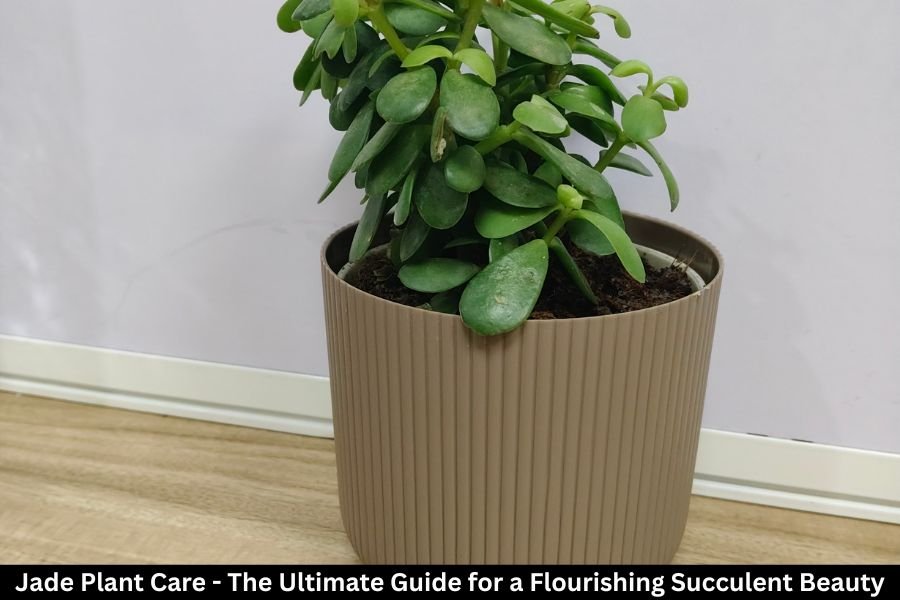
  • Jade Plant Care – The Ultimate Guide for a Flourishing Succulent Beauty

    Jade Plant Care – The Ultimate Guide for a Flourishing Succulent Beauty

    If there’s one houseplant that perfectly balances beauty and simplicity, it’s the jade plant. Tough yet elegant, low-maintenance yet rewarding—this succulent is like that reliable friend who always shows up looking good without trying too hard. Whether you’re a beginner or a seasoned plant lover, jade plant care is refreshingly straightforward once you understand its rhythm.

    What Is a Jade Plant?

    The jade plant, scientifically known as Crassula ovata, is a succulent native to South Africa. It’s known for its thick, glossy, oval-shaped leaves and sturdy, tree-like stems. These fleshy leaves store water, making the plant drought-tolerant and forgiving if you forget a watering or two.

    Why Jade Plants Are So Popular

    Jade plants are loved for their longevity, symbolism, and adaptability. They can live for decades, grow into stunning mini trees, and are often passed down through generations. Plus, they’re said to bring luck and prosperity—who wouldn’t want that sitting on their windowsill?

    Types of Jade Plants You Should Know

    Crassula Ovata (Classic Jade)

    This is the most common variety. Thick green leaves, woody stems, and a classic bonsai-like look make it a favorite for homes and offices.

    Variegated Jade Plant

    This beauty features green leaves edged with creamy white or yellow. It’s slightly slower-growing but adds a bright, decorative touch.

    Gollum and Hobbit Jade

    These quirky varieties have tubular, finger-like leaves that look straight out of a fantasy novel. They’re conversation starters and just as easy to care for.

    How to Choose the Right Jade Plant

    Choose a jade plant with firm leaves, strong stems, and no signs of mushiness or discoloration. Healthy plants bounce back faster and grow better long-term.

    Benefits of Growing a Jade Plant

    Symbolism and Feng Shui Benefits

    In Feng Shui, jade plants symbolize wealth, luck, and positive energy. They’re often placed near entrances or workspaces to invite prosperity.

    Air-Purifying and Wellness Value

    While not the strongest air purifier, jade plants contribute to better indoor air quality and add calming greenery that reduces stress.

    Ideal Growing Conditions for Jade Plants

    Light Requirements for Healthy Growth

    Jade plants love bright, indirect sunlight. A south- or west-facing window is perfect. Too little light leads to leggy growth, while harsh direct sun can scorch the leaves.

    Best Temperature and Humidity Levels

    They thrive in temperatures between 65–75°F (18–24°C). Average household humidity is just fine—no misting required.

    Jade Plant Soil Requirements

    Best Soil Mix for Jade Plants

    Well-draining soil is non-negotiable. A cactus or succulent mix works perfectly, preventing excess moisture around the roots.

    DIY Soil Mix vs Store-Bought Options

    You can mix regular potting soil with sand or perlite for better drainage, but store-bought succulent mixes save time and guesswork.

    How to Water a Jade Plant Properly

    Understanding Overwatering vs Underwatering

    Overwatering is the number one jade plant killer. Let the soil dry out completely between waterings. If in doubt, wait—jade plants prefer dry roots over soggy ones.

    Seasonal Watering Schedule

    Water more during spring and summer when the plant is actively growing. Reduce watering significantly in fall and winter.

    Fertilizing Jade Plants for Optimal Growth

    Best Fertilizers for Succulents

    Use a balanced, water-soluble fertilizer diluted to half strength. Succulent-specific fertilizers work best.

    How Often Should You Fertilize?

    Once every 2–3 months during the growing season is enough. Skip fertilizing in winter.

    Pruning and Shaping Your Jade Plant

    When and Why to Prune

    Pruning encourages branching and helps maintain shape. The best time to prune is spring or early summer.

    Encouraging a Tree-Like Shape

    Remove leggy growth and trim back stems to promote a thick trunk and balanced canopy.

    Repotting a Jade Plant

    Signs Your Jade Plant Needs Repotting

    Roots growing out of drainage holes, slow growth, or a top-heavy plant are clear signs it’s time to repot.

    Step-by-Step Repotting Guide

    Choose a slightly larger pot with drainage holes, refresh the soil, and allow the plant to settle before watering again.

    Propagating Jade Plants

    Leaf Propagation Method

    Simply place a healthy leaf on dry soil and wait. Roots and tiny plants will form in a few weeks.

    Stem Cutting Propagation

    Cut a healthy stem, let it callous, then plant it in dry soil. This method is faster and more reliable.

    Common Jade Plant Problems

    Yellow Leaves and Leaf Drop

    Usually caused by overwatering or sudden temperature changes. Adjust care and remove affected leaves.

    Root Rot and Mushy Stems

    This is a sign of prolonged overwatering. Act fast—trim damaged roots and repot in dry soil.

    Pest Problems and Solutions

    Mealybugs and spider mites are common. Use neem oil or insecticidal soap to treat infestations.

    Jade Plant Care Indoors vs Outdoors

    Indoor Jade Plant Care Tips

    Rotate the plant for even growth and keep it near bright windows.

    Outdoor Growing Considerations

    Jade plants can thrive outdoors in warm climates but must be protected from frost and heavy rain.

    Seasonal Jade Plant Care Guide

    Summer and Spring Care

    This is growth season—provide light, water moderately, and fertilize occasionally.

    Fall and Winter Dormancy Care

    Reduce watering, stop fertilizing, and let the plant rest.

    How to Make Your Jade Plant Thrive Long-Term

    Growth Tips from Experienced Gardeners

    Consistency is key. Stable light, proper watering, and patience lead to stunning results.

    Mistakes to Avoid

    Avoid frequent watering, poor drainage, and sudden environmental changes.

    Conclusion

    Growing a Jade Plant Is Easier Than You Think

    Jade plant care is all about balance—light but not too harsh, water but not too much, care without overdoing it. Treat it right, and this resilient succulent will reward you with years of beauty, growth, and maybe even a little good fortune.

    FAQs

    1. How often should I water my jade plant?

    Only when the soil is completely dry, usually every 2–3 weeks depending on the season.

    2. Can jade plants survive low light?

    They can survive but won’t thrive. Bright indirect light is ideal.

    3. Why are my jade plant leaves falling off?

    Overwatering, temperature shock, or sudden light changes are common causes.

    4. Is jade plant toxic to pets?

    Yes, jade plants are toxic to cats and dogs if ingested.

    5. How long do jade plants live?

    With proper care, jade plants can live for decades and grow into large, beautiful specimens.

  • The Rise of Digital Detox: Why Your Brain Needs a Break from Screens

    The Rise of Digital Detox: Why Your Brain Needs a Break from Screens

    We live in a world where screens are everywhere—phones, laptops, tablets, TVs, smartwatches. They wake us up, keep us working, entertain us, and often put us to sleep. Sounds convenient, right? But there’s a catch. Our brains are exhausted. That’s where digital detox comes in.

    What Is Digital Detox?

    Digital detox simply means intentionally reducing or eliminating screen time for a certain period to restore mental balance. It’s like giving your brain a vacation from constant pings, notifications, and endless scrolling.

    Why Digital Detox Is Trending Globally

    People are realizing that being constantly “online” doesn’t equal being productive or happy. Burnout, anxiety, and mental fatigue are pushing individuals toward screen-free moments, weekends, and even vacations.

    The Screen-Saturated World We Live In

    Average Daily Screen Time Statistics

    The average adult spends over 7 hours a day staring at screens. That’s nearly half your waking life. Kids and teens aren’t far behind, often logging even more hours.

    How Screens Have Taken Over Daily Life

    Work and Productivity

    Emails, Slack messages, Zoom calls—work never really ends anymore. Screens blur the boundary between professional and personal life.

    Entertainment and Leisure

    Netflix binges, TikTok loops, YouTube rabbit holes. Entertainment has become passive and endless.

    Social Connections

    Ironically, social media connects us digitally while distancing us emotionally from real-life interactions.

    How Excessive Screen Time Affects the Brain

    Dopamine, Notifications, and Addiction

    Every notification gives your brain a dopamine hit—the same chemical linked to addiction. Over time, your brain craves constant stimulation.

    Reduced Attention Span

    Scrolling trains your brain to seek instant gratification. Long tasks? Deep focus? They suddenly feel impossible.

    Mental Fatigue and Cognitive Overload

    Your brain wasn’t designed to process endless information streams. Too much input leads to exhaustion and decision fatigue.

    Psychological Impacts of Constant Screen Exposure

    Anxiety and Stress

    Being constantly available creates pressure. Your brain never truly rests.

    Depression and Emotional Burnout

    Comparing your life to curated online highlights can quietly drain your self-esteem and happiness.

    Sleep Disorders and Blue Light Exposure

    Blue light suppresses melatonin, disrupting your sleep cycle. Poor sleep equals poor mental health.

    Physical Effects of Too Much Screen Time

    Eye Strain and Vision Problems

    Dry eyes, blurry vision, headaches—your eyes are begging for a break.

    Poor Posture and Tech Neck

    Hunched shoulders and bent necks are becoming the new normal, leading to chronic pain.

    Headaches and Migraines

    Long screen exposure strains your eyes and nervous system, triggering frequent headaches.

    Social Consequences of Digital Overload

    Reduced Face-to-Face Interaction

    When screens dominate, meaningful conversations shrink.

    Social Media Comparison Trap

    Comparing behind-the-scenes reality to highlight reels creates dissatisfaction.

    Loneliness in a Hyperconnected World

    Paradoxically, more connection can mean less intimacy.

    What Happens to Your Brain During a Digital Detox

    Improved Focus and Clarity

    Without constant distractions, your brain regains its ability to focus deeply.

    Emotional Regulation and Calmness

    Less stimulation leads to emotional balance and reduced stress.

    Creativity and Deep Thinking

    Boredom sparks creativity. Your best ideas often appear when screens disappear.

    Science-Backed Benefits of Digital Detox

    Better Sleep Quality

    Reduced blue light exposure helps reset your natural sleep rhythm.

    Increased Productivity

    Focused work beats multitasking every time.

    Enhanced Memory and Learning

    Your brain processes and retains information better when it’s not overloaded.

    Signs You Need a Digital Detox

    Constant Phone Checking

    If your phone is the first and last thing you see daily, it’s time.

    Feeling Overwhelmed or Distracted

    Mental fog is a clear warning sign.

    Difficulty Relaxing Without Screens

    If silence feels uncomfortable, your brain needs rest.

    Types of Digital Detox

    Short-Term Detox (24–72 Hours)

    A weekend break can work wonders.

    Weekend or Vacation Detox

    Disconnecting while traveling enhances experiences.

    Daily Micro-Detox Habits

    No-phone mornings or screen-free meals go a long way.

    How to Start a Digital Detox Successfully

    Set Clear Goals and Boundaries

    Decide what you want to reduce and why.

    Create Screen-Free Zones

    Bedrooms and dining areas are great places to start.

    Replace Screen Time with Healthy Habits

    Read, walk, journal, or simply do nothing.

    Digital Detox at Work and Home

    Managing Emails and Notifications

    Turn off non-essential notifications. The world won’t end.

    Encouraging Family-Wide Detox Practices

    Make it a shared challenge instead of a punishment.

    Common Myths About Digital Detox

    “I’ll Fall Behind Without My Phone”

    You won’t. You’ll likely catch up on life instead.

    “Digital Detox Means Quitting Technology Forever”

    Nope. It’s about balance, not extremes.

    Balancing Technology Without Quitting It

    Mindful Technology Use

    Use tech intentionally, not impulsively.

    Building a Healthy Digital Relationship

    Control your tools—don’t let them control you.

    The Future of Digital Detox Culture

    Tech Companies Promoting Screen Wellness

    Ironically, even tech giants now offer screen-time controls.

    Digital Wellbeing Trends

    Wellness-focused apps and offline retreats are booming.

    Conclusion

    Digital detox isn’t about rejecting technology—it’s about reclaiming your mind. Screens are powerful tools, but without boundaries, they drain our focus, creativity, and peace. Giving your brain regular breaks isn’t a luxury anymore; it’s a necessity. Start small, stay consistent, and watch how clarity, calmness, and joy quietly return.

    FAQs

    1. How long should a digital detox last?

    It can range from a few hours daily to several days, depending on your lifestyle.

    2. Is digital detox suitable for everyone?

    Yes, especially anyone feeling overwhelmed or mentally fatigued.

    3. Can digital detox improve mental health?

    Absolutely. It reduces stress, anxiety, and improves emotional balance.

    4. Do I need to quit social media completely?

    No. Limiting usage mindfully is enough.

    5. What’s the easiest way to start a digital detox?

    Turn off unnecessary notifications and avoid screens before bedtime.