Search results for: “b”

  • Fashion as Self-Care – How Dressing Up Impacts Mental Health

    Fashion as Self-Care – How Dressing Up Impacts Mental Health

    When we think of self-care, we often picture bubble baths, meditation apps, or yoga mats. But self-care goes deeper than that. It’s about how we treat ourselves daily—and yes, that includes what we wear.

    Why What We Wear Matters

    Clothing isn’t just fabric. It’s energy, mood, and identity wrapped into one. What you put on your body can influence how you feel, think, and show up in the world.

    The Psychology of Clothing

    How Clothes Affect Mood and Emotions

    Ever noticed how your favorite outfit instantly lifts your mood? That’s no coincidence. Clothes can trigger positive emotions, memories, and confidence.

    Enclothed Cognition Explained

    Enclothed cognition is the idea that what you wear affects how you think and behave. Put simply, dressing sharp can make you feel sharp.

    Dressing Up and Self-Expression

    Clothing as a Personal Language

    Fashion is a silent conversation. Without saying a word, your outfit tells a story—about your mood, personality, and values.

    Showing the World Who You Are

    When words fail, style speaks. Dressing authentically helps you feel aligned with yourself.

    Fashion and Confidence

    The Confidence-Boosting Power of Outfits

    A well-chosen outfit can feel like armor. It helps you walk taller, speak clearer, and feel more capable.

    First Impressions and Self-Perception

    Confidence starts internally, but what you wear reinforces how you see yourself—and how others respond.

    Fashion as a Daily Ritual

    Creating a Morning Routine with Style

    Getting dressed can be a grounding ritual. It signals the start of your day and sets the tone.

    Dressing with Intention

    Instead of grabbing whatever’s clean, choosing outfits mindfully can feel empowering.

    Color Psychology in Fashion

    How Colors Influence Emotions

    Colors affect mood. Bright shades energize, neutrals calm, and darker tones ground us.

    Choosing Colors for Mental Well-Being

    Wearing colors that match or shift your mood can be a simple mental health tool.

    Comfort vs Style – Finding Balance

    Why Comfort Matters for Mental Health

    Uncomfortable clothing can increase stress and distraction. Comfort allows you to relax and focus.

    Stylish Doesn’t Have to Mean Uncomfortable

    You don’t have to sacrifice comfort to look good. The sweet spot is where both meet.

    Fashion During Stressful Times

    Dressing Through Anxiety and Depression

    When motivation is low, even small style choices—like soft fabrics or cozy layers—can provide comfort.

    Small Style Choices That Make a Big Difference

    A favorite hoodie or statement accessory can feel like a hug on hard days.

    Social Connection and Belonging

    Fashion as a Tool for Connection

    Shared styles create belonging. From uniforms to subcultures, fashion builds community.

    Feeling Seen and Understood

    Wearing what resonates with you helps others understand you better.

    Fashion and Body Positivity

    Dressing for Your Body, Not Trends

    Trends come and go, but your body deserves respect now.

    Clothing as Self-Acceptance

    Choosing clothes that fit and flatter your body is an act of kindness toward yourself.

    Mindful Fashion Choices

    Shopping with Purpose

    Mindful shopping reduces stress, clutter, and regret.

    Sustainable Fashion and Mental Peace

    Knowing your clothes align with your values brings a sense of calm and pride.

    Fashion in the Workplace

    Dressing for Confidence at Work

    Professional attire can boost authority and self-belief.

    Professional Identity and Mental Health

    Feeling comfortable and confident at work supports mental well-being.

    Digital Fashion Influence

    Social Media, Style, and Self-Esteem

    Online fashion inspiration can uplift—or overwhelm.

    Setting Healthy Boundaries

    Consume inspiration, not comparison. Curate your feed wisely.

    Fashion Across Life Stages

    Style Changes with Life Transitions

    Style evolves as we grow—and that’s healthy.

    Dressing for the Person You’re Becoming

    Your wardrobe can support your future self.

    Building a Self-Care Wardrobe

    Curating Clothes That Make You Feel Good

    Keep pieces that spark joy, comfort, and confidence.

    Letting Go of Guilt Pieces

    If it doesn’t serve you, let it go. Your closet should support—not stress—you.

    Conclusion: Why Fashion Deserves a Place in Self-Care

    Fashion is more than looking good—it’s about feeling good. Dressing with intention can boost confidence, comfort, and mental well-being. When you treat fashion as self-care, every outfit becomes an opportunity to show up for yourself.

    FAQs

    1. Can clothing really impact mental health?

    Yes, clothing affects mood, confidence, and self-perception.

    2. Is dressing up considered self-care?

    Absolutely. It’s a form of daily self-expression and empowerment.

    3. What should I wear when I feel low?

    Comfortable clothes in calming colors often help.

    4. Does fashion help with confidence?

    The right outfit can significantly boost confidence.

    5. How do I build a self-care wardrobe?

    Focus on comfort, authenticity, and pieces that make you feel good.
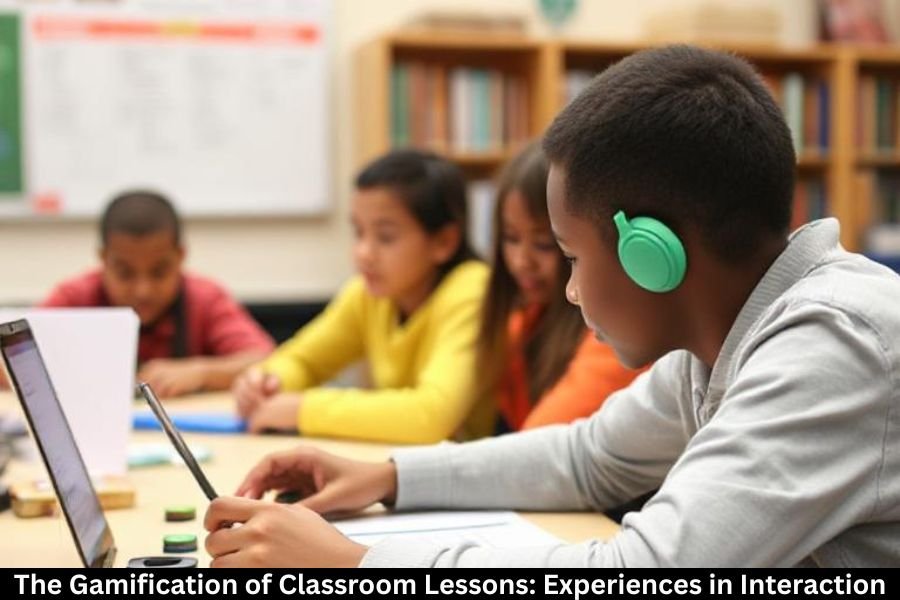
  • The Gamification of Classroom Lessons: Experiences in Interaction

    The Gamification of Classroom Lessons: Experiences in Interaction

    Imagine walking into a classroom where students are excited, engaged, and eager to participate—not because there’s a test, but because learning feels like a game. That’s the magic of gamification in education. It transforms traditional lessons into interactive experiences that spark curiosity and motivation.

    What Is Gamification in the Classroom?

    Gamification is the use of game elements—like points, challenges, levels, and rewards—in non-game environments. In classrooms, it means turning lessons into interactive journeys where students actively participate rather than passively listen.

    Why Gamification Matters in Modern Learning

    Today’s students grow up with technology, games, and instant feedback. Gamification meets them where they are. It speaks their language, making learning more relatable, enjoyable, and effective.

    The Evolution of Traditional Teaching Methods

    From Chalkboards to Digital Classrooms

    Education has come a long way from chalk dust and rigid lectures. Smart boards, tablets, and online platforms have opened doors to dynamic teaching methods that encourage interaction.

    The Shift Toward Interactive Learning

    Students learn best by doing. Gamification supports this shift by promoting hands-on experiences where mistakes are part of the journey, not something to fear.

    Core Principles of Classroom Gamification

    Game Mechanics and Learning Objectives

    Successful gamification aligns game mechanics with educational goals. Points and levels should reinforce learning—not distract from it.

    Motivation, Rewards, and Progress Tracking

    Rewards provide instant feedback, while progress tracking keeps students aware of their growth. It’s like a roadmap that shows how far they’ve come.

    Intrinsic vs Extrinsic Motivation

    While badges and points motivate externally, the real goal is intrinsic motivation—learning because it’s enjoyable and meaningful.

    How Gamification Enhances Student Engagement

    Active Participation and Attention

    Gamified lessons turn students into active players. Instead of zoning out, they’re solving problems, collaborating, and competing in healthy ways.

    Reducing Learning Anxiety Through Play

    Games make failure feel safe. When mistakes are part of the game, students are more willing to try, explore, and learn.

    Types of Gamification Strategies in Classrooms

    Points, Badges, and Leaderboards

    These elements add excitement and structure. They reward effort, consistency, and improvement—not just high scores.

    Role-Playing and Simulation-Based Learning

    Role-playing allows students to step into different perspectives, making abstract concepts feel real and relatable.

    Storytelling and Narrative Learning

    A strong narrative pulls students in. When lessons feel like chapters in a story, curiosity naturally follows.

    Technology’s Role in Gamified Learning

    Educational Apps and Platforms

    Apps like quiz-based games and interactive simulations make learning flexible and accessible anywhere.

    Gamification Through Learning Management Systems

    Many LMS platforms now include gamified features like progress bars, achievements, and interactive quizzes.

    Teacher Experiences with Gamified Lessons

    Classroom Management Improvements

    Engaged students are easier to manage. Gamification reduces disruptions by keeping learners focused and involved.

    Teacher Creativity and Instructional Design

    Gamification encourages teachers to think creatively, designing lessons that feel fresh and exciting.

    Student Experiences and Interaction

    Collaboration and Peer Learning

    Team-based challenges foster communication and cooperation. Students learn from each other while working toward shared goals.

    Increased Confidence and Ownership of Learning

    When students track their progress, they feel more responsible for their learning journey.

    Gamification Across Different Subjects

    Gamifying Math and Science Lessons

    Quests, challenges, and simulations make problem-solving more engaging and less intimidating.

    Language, History, and Social Studies

    Games bring stories, cultures, and timelines to life, turning memorization into exploration.

    Gamification in Arts and Creative Subjects

    Creative challenges and interactive projects encourage expression and innovation.

    Benefits of Gamification in Classroom Lessons

    Improved Knowledge Retention

    When learning is fun, it sticks. Gamification enhances memory through repetition and engagement.

    Development of Critical Thinking Skills

    Games require strategy, analysis, and decision-making—skills essential beyond the classroom.

    Challenges and Limitations of Gamification

    Overemphasis on Rewards

    Too much focus on points can overshadow learning. Balance is essential.

    Time, Resources, and Training Barriers

    Effective gamification requires planning, tools, and teacher training, which can be challenging.

    Best Practices for Effective Classroom Gamification

    Aligning Games with Learning Goals

    Every game element should serve a clear educational purpose.

    Keeping Gamification Inclusive and Fair

    Design games that support diverse learning styles and abilities.

    Balancing Fun and Academic Rigor

    Fun should enhance learning, not replace it. The goal is meaningful engagement.

    Measuring the Impact of Gamified Learning

    Assessment and Feedback Methods

    Quizzes, reflections, and performance data help measure effectiveness.

    Student Performance and Engagement Metrics

    Tracking participation and progress offers insights into what works best.

    The Future of Gamification in Education

    AI, VR, and Immersive Learning

    Emerging technologies promise even deeper, more personalized learning experiences.

    Personalized Gamified Learning Paths

    Adaptive systems tailor challenges to individual student needs and pace.

    Conclusion

    Gamification as a Powerful Tool for Interaction

    Gamification isn’t about turning school into a playground—it’s about making learning interactive, meaningful, and human. When used thoughtfully, it transforms classrooms into vibrant spaces where curiosity thrives and students actively engage with knowledge.

    FAQs

    1. Is gamification suitable for all age groups?

    Yes, gamification can be adapted for learners of all ages with age-appropriate strategies.

    2. Does gamification replace traditional teaching?

    No, it complements traditional methods by enhancing engagement and interaction.

    3. Can gamification improve academic performance?

    When aligned with learning goals, it can significantly boost motivation and retention.

    4. What tools are commonly used for classroom gamification?

    Educational apps, LMS platforms, quizzes, simulations, and role-playing activities.

    5. What is the biggest mistake in classroom gamification?

    Focusing too much on rewards instead of meaningful learning experiences.

  • How to Teach Financial Literacy to Children and Teens

    How to Teach Financial Literacy to Children and Teens

    Financial literacy is simply the ability to understand and manage money wisely. It includes knowing how to earn, save, spend, invest, and give money responsibly. Think of it as a life skill—just like learning to cook or drive. The earlier kids learn it, the better prepared they are for real life.

    Why Financial Education Should Start Early

    Money habits form early, often before kids even realize it. Teaching financial literacy to children and teens is like planting a tree—the sooner you plant it, the stronger and deeper the roots grow. Waiting until adulthood is often too late, when bad habits have already taken hold.

    Understanding Money at Different Ages

    Teaching Financial Basics to Preschoolers

    Coins, Notes, and Simple Choices

    For young children, money lessons should be simple and visual. Start by teaching them to recognize coins and bills. Let them make small choices, like choosing between two snacks, to understand that money is limited and choices matter.

    Money Lessons for Elementary School Children

    Saving, Spending, and Sharing

    This age is perfect for introducing the classic trio: save, spend, and share. Use jars or envelopes so kids can physically see where their money goes. This makes abstract concepts feel real and tangible.

    Financial Education for Teens

    Budgeting, Banking, and Independence

    Teens are on the edge of adulthood, so it’s time to level up. Teach them how to budget, open a bank account, and understand basic financial responsibility. This is where theory meets reality.

    The Importance of Teaching Financial Literacy to Children and Teens

    Building Healthy Money Habits Early

    Good money habits are like good manners—they stick when taught early. Kids who understand money grow into adults who plan, save, and avoid unnecessary debt.

    Preventing Future Debt and Financial Stress

    Financial stress is one of the biggest causes of anxiety in adults. Teaching kids about money early helps them avoid common traps like credit card debt and impulsive spending.

    Core Financial Concepts Every Child Should Learn

    Earning Money

    Kids should understand that money is earned, not magically available. Chores, small jobs, or allowances tied to effort teach the value of work.

    Saving Money

    Saving is about delayed gratification. Teaching kids to wait and save for something they want builds patience and discipline.

    Spending Wisely

    Spending isn’t bad—but mindful spending is key. Help kids compare prices and think before buying.

    Giving and Sharing

    Money isn’t just for personal use. Teaching generosity builds empathy and social responsibility.

    Investing Basics

    For teens, investing can be explained as “making money work for you.” Simple examples go a long way.

    Practical Ways to Teach Financial Literacy at Home

    Using Allowances as Teaching Tools

    An allowance isn’t free money—it’s a learning tool. Give it with guidelines and let kids decide how to use it.

    Letting Kids Make Money Mistakes Safely

    Mistakes are powerful teachers. It’s better for a child to waste $10 now than $10,000 later.

    Talking Openly About Family Finances

    You don’t need to share every detail, but transparency helps kids understand real-world money management.

    Fun and Engaging Financial Literacy Activities

    Games That Teach Money Skills

    Board games like Monopoly or online money games turn learning into fun.

    Real-Life Shopping Experiences

    Let kids help plan grocery shopping. Budgets suddenly make sense in the store aisle.

    Goal-Setting Challenges

    Encourage kids to save for a goal. Watching progress builds motivation.

    Teaching Teens Advanced Financial Skills

    Budgeting and Expense Tracking

    Show teens how to track income and expenses. Budgeting apps can make this easier and more engaging.

    Understanding Credit and Debt

    Explain credit as borrowed money with strings attached. Interest is a concept every teen should understand.

    Introduction to Investing and Passive Income

    Basic investing concepts prepare teens for long-term wealth building.

    The Role of Schools in Financial Education

    Financial Literacy in the Curriculum

    Schools play a vital role, but they shouldn’t be the only source. Real learning happens when schools and parents work together.

    Partnering with Parents for Better Results

    Consistency between home and school reinforces financial lessons.

    Using Technology to Teach Financial Literacy

    Apps and Online Tools for Kids and Teens

    Many apps gamify saving and budgeting, making learning interactive.

    Digital Banking and Money Management

    Teaching digital money skills is essential in today’s cashless world.

    Common Mistakes Parents Make When Teaching Money

    Avoiding Money Conversations

    Silence creates confusion. Kids need guidance, not mystery.

    Being Too Strict or Too Lenient

    Balance is key. Control teaches nothing; freedom with guidance teaches everything.

    How to Make Financial Lessons Stick

    Consistency and Repetition

    Short, regular conversations are more effective than one big lecture.

    Leading by Example

    Kids watch what you do more than what you say. Your habits matter.

    Encouraging an Entrepreneurial Mindset

    Side Hustles for Kids and Teens

    From lemonade stands to online freelancing, small hustles teach big lessons.

    Turning Ideas into Income

    Encourage creativity. Problem-solving often leads to profit.

    Preparing Teens for Adult Financial Life

    Taxes, Rent, and Real-World Expenses

    Introduce teens to real expenses before they face them alone.

    Financial Independence and Responsibility

    The goal isn’t control—it’s confidence.

    Cultural and Emotional Aspects of Money

    Teaching Values Alongside Finances

    Money reflects values. Teach honesty, generosity, and responsibility.

    Money, Emotions, and Decision-Making

    Emotions drive spending. Awareness leads to better choices.

    Long-Term Benefits of Financial Literacy

    Confidence and Independence

    Financial knowledge builds self-reliance.

    Smarter Life Choices

    From education to career decisions, money skills shape life paths.

    Conclusion: Raising Financially Confident Future Adults

    Teaching financial literacy to children and teens isn’t about creating mini accountants—it’s about empowering confident, capable adults. With patience, consistency, and real-life practice, you’re giving your kids a gift that lasts a lifetime.

    FAQs

    1. At what age should financial literacy start?

    As early as preschool, with age-appropriate lessons.

    2. Should kids get an allowance?

    Yes, if used as a teaching tool rather than free money.

    3. How can teens learn investing safely?

    Start with simulations, basic concepts, and supervised accounts.

    4. Are financial apps safe for kids?

    Many are designed specifically for kids and teens with parental controls.

    5. What if parents aren’t financially confident themselves?

    Learning together can be powerful and sets a great example.

  • Crypto Gaming: How Play-to-Earn Models Are Changing the Future of Fun

    Crypto Gaming: How Play-to-Earn Models Are Changing the Future of Fun

    Crypto gaming is where gaming meets blockchain technology. Instead of just playing for fun or bragging rights, players can now earn real-world value through in-game assets like tokens and NFTs. Think of it as gaming with a paycheck—except the fun comes first.

    Why Everyone Is Talking About Play-to-Earn

    Play-to-earn (P2E) flipped the traditional gaming model on its head. For decades, gamers spent money and time with nothing tangible to show for it. Now, that time can actually pay off. No wonder it’s making headlines.

    The Evolution of Gaming Economics

    From Pay-to-Play to Free-to-Play

    Gaming started as pay-to-play—buy the game, play the game. Then came free-to-play, where the game is free but progress often isn’t. Microtransactions ruled the world, and players paid endlessly.

    The Birth of Play-to-Earn Models

    Play-to-earn introduced a radical idea: what if players owned what they earned? Blockchain made that possible. Suddenly, in-game items weren’t locked in a company’s server—they lived in your wallet.

    Understanding Play-to-Earn (P2E) Games

    How Play-to-Earn Works

    At its core, P2E rewards players with crypto tokens or NFTs for gameplay. Complete quests, win battles, or contribute to the ecosystem—and you earn assets that can be traded or sold.

    Key Components of P2E Games

    Tokens

    Tokens act as in-game currency with real-world value. You can earn them, trade them, or cash them out.

    NFTs

    NFTs represent unique items like characters, skins, weapons, or land. You truly own them.

    Blockchain Technology

    Blockchain ensures transparency, security, and true ownership. No middlemen, no funny business.

    Why Play-to-Earn Is a Game Changer

    Ownership of In-Game Assets

    In traditional games, your items disappear if the server shuts down. In crypto gaming, your assets are yours—period.

    Real-World Value for Virtual Time

    Time is money, and P2E finally acknowledges that. Your hours in-game can translate into real income.

    Popular Examples of Play-to-Earn Games

    Early Pioneers in Crypto Gaming

    Early games proved the concept, even if gameplay wasn’t perfect. They showed that earning through gaming was possible.

    New-Generation P2E Games

    Today’s P2E games focus more on fun, graphics, and balanced economies. Earning is a bonus—not the whole point.

    The Role of NFTs in Crypto Gaming

    What Are Gaming NFTs?

    Gaming NFTs are digital assets tied to gameplay. They can be characters, land, tools, or cosmetics.

    Scarcity, Rarity, and Value

    Limited supply creates demand. Rare NFTs can become highly valuable, much like rare trading cards.

    How Crypto Gaming Is Changing Player Behavior

    Gamers as Investors

    Players now think strategically. Which assets will grow in value? Which game has long-term potential?

    Communities Over Corporations

    Players form communities, not just fanbases. Decisions often come from the bottom up.

    Economic Opportunities Created by Play-to-Earn

    Earning Passive Income Through Gaming

    Some players earn by renting NFTs or staking tokens. Your assets can work even when you’re offline.

    New Careers in the Gaming Ecosystem

    From community managers to NFT artists, P2E has created jobs that didn’t exist before.

    Play-to-Earn vs Traditional Gaming

    Time vs Money

    Traditional gaming costs money. P2E rewards time. That’s a massive psychological shift.

    Centralized vs Decentralized Control

    Game companies used to control everything. Now, power is shared with players.

    Challenges Facing Crypto Gaming

    Sustainability of P2E Models

    If rewards outweigh value creation, economies collapse. Balance is crucial.

    High Entry Costs

    Some games require expensive NFTs to start. This can limit accessibility.

    Regulatory and Legal Concerns

    Crypto regulations vary globally, creating uncertainty for developers and players.

    Security and Risks in Crypto Gaming

    Scams and Fake Projects

    Not every project is legit. Research is essential before investing time or money.

    Wallet Safety and Best Practices

    Protect your wallet like your bank account. Security is non-negotiable.

    The Role of DAOs in Crypto Gaming

    Player Governance

    DAOs allow players to vote on updates, rules, and economics.

    Voting and Community Decisions

    Games become living ecosystems shaped by their players.

    How Developers Benefit from Play-to-Earn

    New Revenue Models

    Developers earn through token economics and marketplaces instead of aggressive monetization.

    Loyal Player Communities

    When players earn, they stay. Loyalty skyrockets.

    The Future of Crypto Gaming

    Integration with Metaverse

    Virtual worlds and crypto gaming are a perfect match.

    Mobile and Mainstream Adoption

    As tech improves, P2E will move from niche to normal.

    Is Play-to-Earn Really the Future of Fun?

    Entertainment Meets Economics

    The best games will focus on fun first, earnings second.

    What Lies Ahead

    Better gameplay, smarter economies, and mass adoption.

    Conclusion: A New Era of Gaming Has Begun

    Crypto gaming isn’t just a trend—it’s a shift. Play-to-earn models are redefining what it means to play, earn, and own. The future of fun is interactive, decentralized, and rewarding.

    FAQs

    1. Is crypto gaming free to play?

    Some games are free, while others require an initial investment.

    2. Can you really make money playing P2E games?

    Yes, but earnings depend on skill, time, and market conditions.

    3. Are play-to-earn games safe?

    They can be, if you research and follow security best practices.

    4. Do I need crypto knowledge to start?

    Basic knowledge helps, but many games are beginner-friendly.

    5. Will play-to-earn replace traditional gaming?

    Not replace—but definitely coexist and reshape the industry.

  • How to Set Intentional Goals and Actually Achieve Them

    How to Set Intentional Goals and Actually Achieve Them

    Intentional goals are purposeful objectives set with clear intention and thought. Unlike vague resolutions like “I want to be healthier,” intentional goals are specific, meaningful, and aligned with your values. They serve as a roadmap for growth, ensuring your actions are guided rather than random.

    Why Setting Intentional Goals Matters

    Without intentionality, we drift through life reacting to circumstances rather than creating the life we want. Intentional goals provide clarity, direction, and motivation, turning aspirations into achievable outcomes.

    Understanding the Psychology Behind Goal-Setting

    The Role of Motivation

    Motivation fuels your action. Understanding why you want a goal helps you persist through challenges. Goals rooted in personal values are more sustainable than those based on external pressure.

    Habit Formation and Consistency

    Consistency is the backbone of goal achievement. Daily habits, even small ones, compound over time to produce significant results. Think of it as tiny drops filling a bucket—every action counts.

    Overcoming Fear and Self-Doubt

    Fear of failure or self-doubt often sabotages goals. Recognizing these mental barriers and reframing them as learning opportunities helps you move forward with confidence.

    Steps to Set Intentional Goals

    Identify Your Core Values

    Ask yourself: What truly matters? Aligning goals with your values ensures they’re meaningful and motivating. For instance, if family is a priority, your goal might involve spending more quality time rather than working extra hours.

    Define What Success Means to You

    Success is subjective. Make it personal and measurable, not based on others’ standards. This clarity shapes your action plan and keeps distractions at bay.

    Break Goals into Short-Term and Long-Term

    Long-term goals can feel overwhelming. Divide them into smaller, achievable steps. Short-term milestones create momentum, making even ambitious dreams feel attainable.

    SMART Goals Framework

    Specific

    Goals should answer who, what, where, when, and why. Example: “I want to run a 5K in three months” is clearer than “I want to run more.”

    Measurable

    Track progress with metrics. Measurable goals provide motivation and accountability, showing tangible results.

    Achievable

    Set goals challenging enough to inspire growth but realistic enough to prevent frustration.

    Relevant

    Goals must align with your life priorities and values. Irrelevant goals waste energy and reduce commitment.

    Time-Bound

    Deadlines create urgency and prevent procrastination. Without a timeline, even great goals can remain dreams.

    Creating an Action Plan

    Prioritize Tasks

    Not all actions are equal. Focus on tasks that directly move you toward your goal instead of spreading yourself thin.

    Create Milestones

    Break your journey into milestones. Each checkpoint offers motivation and clarity, letting you celebrate small victories.

    Build Daily Habits

    Daily habits reinforce progress. Whether it’s journaling, exercising, or skill practice, consistent actions compound into major results over time.

    Tracking Progress and Accountability

    Use Journals or Apps

    Track progress with digital apps or pen-and-paper journals. Recording actions and reflections increases self-awareness and persistence.

    Accountability Partners

    Sharing goals with someone else boosts commitment. Regular check-ins create a supportive push when motivation dips.

    Celebrate Small Wins

    Acknowledging minor achievements reinforces positive behavior and keeps morale high throughout the journey.

    Overcoming Obstacles

    Dealing With Procrastination

    Break tasks into small, manageable steps. The trick is just starting—momentum often follows.

    Handling Setbacks Gracefully

    Mistakes happen. See setbacks as feedback, not failure, and adjust your approach without giving up.

    Adjusting Goals Without Losing Momentum

    Flexibility ensures sustainability. Modify goals when circumstances change while keeping your ultimate vision intact.

    The Power of Visualization

    Mental Rehearsal Techniques

    Visualizing success primes your mind for action. Athletes and high achievers use this technique to mentally practice before physical execution.

    Vision Boards and Affirmations

    Creating visual reminders of your goals keeps your intentions front and center, reinforcing commitment daily.

    Maintaining Motivation

    Intrinsic vs Extrinsic Motivation

    Intrinsic motivation (personal satisfaction) is more sustainable than extrinsic rewards (money or recognition). Focus on internal rewards to maintain long-term drive.

    Reward Systems

    Celebrate progress with small, meaningful rewards to keep motivation high without undermining your goals.

    Staying Inspired Through Challenges

    Seek inspiration from mentors, books, or communities. Seeing others achieve similar goals helps you keep going during tough times.

    Balancing Multiple Goals

    Avoiding Overwhelm

    Limit the number of active goals. Spreading yourself too thin reduces focus and progress.

    Aligning Goals With Life Priorities

    Ensure goals complement, rather than conflict with, other areas of life. Integration leads to sustainable success.

    The 80/20 Rule in Goal Management

    Focus on the 20% of actions that yield 80% of results. Work smarter, not harder.

    Learning From Failures

    Reflecting on What Went Wrong

    Failure is feedback. Analyze why something didn’t work and identify patterns for improvement.

    Using Feedback Constructively

    Seek advice, refine strategies, and remain open-minded to ensure continuous growth.

    Turning Failures Into Opportunities

    Each failure is a lesson. Embrace it, pivot, and use it as a springboard toward success.

    Examples of Intentional Goal-Setting

    Personal Life Goals

    Examples include improving relationships, learning a new skill, or dedicating time to hobbies.

    Career and Professional Goals

    Climbing the career ladder, mastering new software, or building a business all require intentional planning.

    Health and Wellness Goals

    Fitness, mental well-being, and nutrition goals benefit greatly from SMART planning and habit formation.

    Conclusion

    Setting intentional goals transforms dreams into actionable plans. By understanding your values, using SMART frameworks, and embracing consistency, you can achieve meaningful success. Remember, intentional goal-setting is a lifestyle, not a one-time effort, and small, consistent steps create lasting impact.

    FAQs

    1. How do I know if my goals are truly intentional?

    Check if they align with your values, have clear outcomes, and are personally meaningful—not based on external pressure.

    2. Can I pursue multiple goals at the same time?

    Yes, but prioritize and align them with your life to avoid overwhelm.

    3. How often should I review my goals?

    Weekly or monthly check-ins help track progress and adjust strategies.

    4. What if I fail to achieve a goal?

    Reflect, learn, and adjust your approach. Failure is part of growth, not the end.

    5. How can I stay motivated long-term?

    Focus on intrinsic rewards, celebrate small wins, visualize success, and seek support from others.

  • The Power of Journaling for Mental Clarity and Growth

    The Power of Journaling for Mental Clarity and Growth

    Journaling is the practice of writing down thoughts, feelings, experiences, and ideas regularly. It can be structured or free-flowing, but its core purpose is to give your mind a space to reflect, process, and grow.

    Why Journaling Is Important for Mental Health

    Our minds are like cluttered desks—without organization, it’s hard to focus. Journaling acts as a mental decluttering tool, helping reduce stress, increase clarity, and boost emotional well-being.

    Understanding the Psychology Behind Journaling

    The Connection Between Writing and Emotional Processing

    Writing allows us to externalize emotions rather than bottling them up. By putting thoughts on paper, the brain processes feelings more clearly, reducing emotional overload.

    Journaling as a Stress Relief Tool

    Journaling can act as a personal stress valve, giving you a safe space to vent frustrations, release anxieties, and gain perspective on challenges.

    Cognitive Benefits of Writing Your Thoughts

    Documenting thoughts improves memory, problem-solving, and critical thinking skills. It’s like giving your brain a workout while clarifying your mental landscape.

    Types of Journaling

    Reflective Journaling

    Reflective journaling encourages introspection by asking: What did I learn today? How did I react? What can I improve?

    Gratitude Journaling

    Listing things you’re thankful for rewires the brain to focus on positivity rather than negativity, improving mood and resilience.

    Goal-Oriented Journaling

    Recording goals, action steps, and progress ensures accountability and makes dreams tangible.

    Stream-of-Consciousness Journaling

    Also called “free writing,” this type allows your mind to wander freely on paper, sparking creativity and insight.

    How Journaling Boosts Mental Clarity

    Organizing Thoughts

    Journaling turns chaotic thoughts into structured insights, helping you see problems and solutions clearly.

    Identifying Patterns and Triggers

    Regular writing uncovers recurring thoughts, emotions, and behaviors, giving you valuable self-awareness.

    Problem-Solving Through Writing

    Writing acts like a mental brainstorming session, helping you analyze challenges and devise solutions you might not see otherwise.

    Journaling for Personal Growth

    Tracking Progress and Habits

    From fitness routines to skill development, journaling tracks incremental progress, highlighting growth over time.

    Strengthening Self-Awareness

    Writing forces reflection, helping you recognize desires, strengths, weaknesses, and values more clearly.

    Enhancing Creativity and Insight

    Journaling sparks creativity by letting ideas flow freely, often leading to unexpected breakthroughs and inspirations.

    Practical Journaling Techniques

    Morning Pages

    Writing three pages first thing in the morning helps clear mental clutter and sets a productive tone for the day.

    Bullet Journaling

    Bullet journals combine planning, goal-tracking, and reflection in a visually organized way.

    Prompt-Based Journaling

    Using prompts like “What am I grateful for today?” or “What challenge did I overcome?” keeps your writing focused and meaningful.

    Reflective End-of-Day Journaling

    Evening journaling encourages reflection on accomplishments and lessons, promoting continuous growth.

    Setting Up Your Journaling Routine

    Choosing the Right Medium

    Whether pen-and-paper or digital, pick a format that suits your lifestyle.

    Time Management for Journaling

    Even 10–15 minutes daily can produce significant mental clarity. Consistency beats duration.

    Making Journaling a Habit

    Tie journaling to an existing routine, like morning coffee or bedtime, to make it automatic and sustainable.

    Common Challenges and How to Overcome Them

    Writer’s Block

    Start small or use prompts. Remember, perfection is not the goal—expression is.

    Feeling Self-Conscious

    Your journal is private. Treat it as a safe space for honest expression without judgment.

    Maintaining Consistency

    Set reminders and schedule journaling as a non-negotiable self-care practice.

    Journaling and Emotional Healing

    Processing Trauma Through Writing

    Writing about traumatic experiences helps organize and process emotions, often reducing their intensity over time.

    Managing Anxiety and Depression

    Journaling allows you to externalize worries, challenge negative thought patterns, and track emotional trends.

    Expressing Gratitude to Improve Mood

    Gratitude journals increase positivity and resilience, providing a simple but powerful boost to mental health.

    Using Journaling for Goal Setting

    Breaking Goals Into Actionable Steps

    Documenting goals clarifies next steps, deadlines, and priorities, increasing the likelihood of success.

    Tracking Milestones

    Regularly logging progress keeps you motivated and accountable.

    Celebrating Achievements

    Recording successes reinforces positive behavior and encourages continued effort.

    Digital vs. Physical Journaling

    Advantages of Physical Journals

    Tactile experience, distraction-free environment, and deeper connection to writing.

    Advantages of Digital Journals

    Searchable, portable, and easy to integrate with apps and reminders.

    Hybrid Approaches

    Combining digital and physical journaling captures the best of both worlds.

    Scientific Evidence Supporting Journaling

    Studies on Mental Health Benefits

    Research shows journaling reduces stress, enhances mood, and improves emotional regulation.

    Journaling and Stress Reduction

    Expressive writing has been linked to lower cortisol levels and improved well-being.

    Journaling and Cognitive Improvement

    Regular journaling strengthens memory, clarity, and problem-solving abilities.

    Inspirational Stories of Journaling Transformations

    Personal Development Success Stories

    Countless individuals credit journaling for clarity in career choices and personal growth.

    Creative Breakthroughs Through Journaling

    Artists and writers often use journals to capture ideas and refine creative concepts.

    Overcoming Emotional Struggles

    Journaling has helped people manage grief, anxiety, and depression by providing structure and perspective.

    Conclusion

    Journaling is a powerful, accessible, and transformative tool for mental clarity, emotional growth, and personal development. By making writing a habit, reflecting on your thoughts, and tracking progress, you can cultivate deeper self-awareness, creativity, and resilience. Whether for stress relief, goal tracking, or emotional healing, journaling can unlock your full potential and guide you toward a more intentional life.

    FAQs

    1. How often should I journal?

    Daily journaling is ideal, but even 3–4 times a week can provide significant benefits.

    2. Do I need to write a lot each time?

    No. Even a few lines or bullet points help organize thoughts and reflect effectively.

    3. Can journaling help with anxiety?

    Yes. Writing down worries and emotions can reduce mental clutter and provide perspective.

    4. Should I share my journal with others?

    It’s optional. Most benefits come from private reflection, but sharing can enhance accountability.

    5. What if I miss a day or two?

    Don’t worry. Journaling is a habit, not a chore. Resume whenever you can without guilt.

  • How to Organize Your Shopping Cart to Save the Most

    How to Organize Your Shopping Cart to Save the Most

    We all love shopping—whether it’s online or in-store—but it’s easy to overspend if we’re not careful. Organizing your shopping cart effectively is like creating a map for your money. It’s not just about picking what you need—it’s about saving, planning, and avoiding unnecessary stress. Think of it as giving your wallet a little vacation while still getting everything on your list.

    Understanding Your Shopping Goals

    Identifying Needs vs Wants

    Before anything else, ask yourself: “Do I really need this?” Needs are essential items—food, toiletries, or work supplies. Wants? That’s the fancy candle or those trendy shoes you saw online. Prioritizing needs over wants is the foundation of cart organization.

    Setting a Budget Before You Shop

    Nothing keeps overspending in check like a budget. Set a limit for each shopping trip. Break it down into categories: groceries, personal items, or extras. Stick to it, and you’ll be amazed how much you save without sacrificing essentials.

    Preparing Before You Open Your Cart

    Make a Shopping List

    Lists are lifesavers. They guide you and keep impulse buys in check. For online shopping, note exactly what you need, quantity, and even preferred brands.

    Compare Prices and Look for Deals

    Don’t settle for the first price you see. Use multiple stores or websites. Sometimes a product costs 20% less somewhere else. Price comparison is a free hack every shopper should know.

    Use Coupons and Discount Codes

    Coupons are still gold. Check your apps, email subscriptions, or browser extensions for valid discounts. A few clicks can save you a surprising amount.

    Organizing Your Online Shopping Cart

    Categorize Items by Priority

    Separate must-haves from optional purchases. Most e-commerce platforms let you “save for later” items. This helps focus on essentials first.

    Save for Later vs Buy Now

    If something isn’t urgent, save it for later. This prevents accidental splurges and gives you time to see if the price drops.

    Check Shipping Costs and Delivery Dates

    A cheap item can become expensive with high shipping fees. Review delivery options before finalizing your cart to avoid surprises.

    Organizing Your Physical Shopping Cart

    Group Items by Category

    When shopping in-store, place similar items together—produce, dairy, snacks, etc. This saves time at checkout and prevents forgetting items.

    Place Heavy Items at the Bottom

    This tip isn’t just for comfort; it protects fragile items. Heavy items on the bottom, delicate ones on top. Your groceries (and your eggs) will thank you.

    Keep Essentials Accessible

    Make sure your frequently used items or high-priority products are easy to reach. This reduces stress and speeds up your shopping trip.

    Using Technology to Your Advantage

    Price Tracking Apps

    Apps can track price drops or historical costs. Set alerts, and buy only when the price is right. Think of it as having a personal shopping assistant in your pocket.

    Cashback and Reward Programs

    Many stores offer cashback or loyalty rewards. Stack these with discounts for maximum savings. Your cart can turn into a mini investment if you play smart.

    Smart Shopping Lists

    Digital lists sync across devices. Update in real-time, share with family, and even attach coupons or notes. This keeps your shopping organized and efficient.

    Review Before Checkout

    Remove Impulse Purchases

    Before clicking “checkout,” scan your cart. Anything not on your list? Remove it. Impulse buys add up fast.

    Verify Totals and Discounts

    Double-check prices, discounts, and taxes. Sometimes errors happen, and catching them can save a few bucks or more.

    Consider Alternative Brands

    Brand loyalty is nice, but alternatives can offer the same quality at a lower price. Compare ingredients, features, and reviews.

    Tips for Repeat Shopping Trips

    Maintain a Master List

    Keep a running list of items you buy regularly. Add or remove items as needed. This reduces the “what should I buy?” stress.

    Track Seasonal Deals

    Many products go on sale seasonally. Plan your cart around these deals for major savings. Think holiday sales, back-to-school specials, or summer promotions.

    Reassess Needs Each Time

    Don’t buy the same items blindly. Your needs change, so review your list and cart before every trip to avoid waste.

    Common Mistakes to Avoid

    Shopping Without a Plan

    Aimless shopping leads to overspending. Always have a plan, whether online or offline.

    Ignoring Expiration Dates

    Buying in bulk can save money, but only if you use it before it expires. Always check dates.

    Overbuying Non-Essentials

    Those “just-in-case” items can sneak up on your budget. Stick to your priority list.

    Psychological Tricks to Save More

    The 24-Hour Rule

    Wait 24 hours before buying non-essential items. Often, the urge fades, saving you money.

    Avoiding Impulse Sections

    Stores strategically place snacks or small items near checkout. Avoid these areas if you want to save.

    Reward Yourself for Smart Choices

    Celebrate your smart shopping. A small treat or personal acknowledgment reinforces good habits.

    Sustainable Shopping Practices

    Buying in Bulk

    Bulk items often cost less per unit. Combine this with a proper plan to avoid waste.

    Choosing Reusable Products

    Reusable bags, bottles, and containers save money and are eco-friendly.

    Avoiding Overpackaged Items

    Choose products with minimal packaging to reduce waste and sometimes cost.

    Conclusion: Shop Smarter, Save Bigger

    Organizing your shopping cart isn’t just about neatness—it’s about strategy, mindfulness, and saving money. Whether online or in-store, a thoughtful approach can cut costs, reduce waste, and make shopping more enjoyable. With lists, tech, and a little discipline, your cart becomes a tool for smarter spending, not a trap for overspending.

    FAQs

    How can I save money with online carts?

    Use “save for later,” compare prices, apply coupons, and track price drops before buying.

    Is it better to shop with a list or spontaneously?

    Always use a list. Spontaneous shopping often leads to unnecessary purchases.

    How do price-tracking apps work?

    They monitor product prices over time and alert you when prices drop, helping you buy at the best rate.

    Can organizing my cart reduce food waste?

    Absolutely. By prioritizing items and checking expiration dates, you buy only what you need and avoid spoilage.

    How often should I review my shopping habits?

    Every trip or at least monthly. Regular review helps spot overspending and refine priorities.

  • How to Shop for Gifts: The Ultimate Gift Guide for Every Occasion

    How to Shop for Gifts: The Ultimate Gift Guide for Every Occasion

    Gift shopping can feel like a joyful adventure or a stressful race against time—it all depends on how you approach it. We’ve all been there: wandering through aisles or scrolling endlessly online, wondering, “Will they actually like this?” The good news? Gift shopping doesn’t have to be complicated. With the right mindset and a little strategy, it can become one of the most satisfying things you do.

    This ultimate gift guide will walk you through everything you need to know—from understanding the recipient to choosing the perfect wrapping paper—so you can shop smarter, stress less, and give gifts that genuinely make people smile.

    Understanding the Art of Gift Giving

    Why Thoughtful Gifts Matter

    A good gift isn’t about the price tag. It’s about the thought behind it. A thoughtful gift tells someone, “I see you. I know you. I care.” That emotional connection is what transforms an ordinary object into something meaningful.

    Emotional Impact of the Right Gift

    Think of gifts like emotional bookmarks. Years later, someone might see that item and instantly remember the moment, the person, and the feeling. That’s powerful. When you nail the right gift, you’re not just giving something—you’re creating a memory.

    Start With the Recipient in Mind

    Knowing Their Personality

    Before you buy anything, pause and think about who you’re shopping for.

    Introvert vs Extrovert Preferences

    Introverts often appreciate calm, cozy, or personal gifts—think books, journals, or self-care items. Extroverts, on the other hand, might love experiences, social games, or something bold and fun.

    Understanding Hobbies and Interests

    Do they love cooking? Fitness? Travel? Music? Gifts aligned with hobbies feel instantly personal, like you truly “get” them.

    Practical vs Sentimental People

    Some people love functional gifts they’ll use daily. Others cherish sentimental keepsakes. Knowing which camp they fall into saves you from gifting something that ends up collecting dust.

    Set a Realistic Gift Budget

    Why Budgeting Reduces Stress

    A clear budget acts like a guardrail. It keeps you focused and prevents impulse buys—or buyer’s remorse later.

    Affordable Gifts That Feel Premium

    Small doesn’t mean cheap. Candles, customized mugs, photo frames, or quality notebooks can feel luxurious without breaking the bank.

    When to Splurge and When Not To

    Big milestones like weddings or milestone birthdays may justify a splurge. Casual events? Keep it simple and thoughtful.

    Matching Gifts to Occasions

    Birthday Gift Shopping Tips

    Birthdays are personal. Tailor the gift to their age, lifestyle, and current interests rather than going with generic options.

    Anniversary Gift Ideas

    Anniversaries thrive on sentiment. Personalized items, shared experiences, or something that symbolizes your journey together works beautifully.

    Wedding and Engagement Gifts

    Practical yet elegant gifts shine here—home essentials, personalized décor, or contribution-based gifts are always appreciated.

    Holiday and Festive Gifting

    Holidays are about warmth and joy. Cozy items, festive treats, or family-friendly gifts hit the sweet spot.

    Corporate and Professional Gifts

    Keep it classy and neutral. Think quality stationery, premium snacks, or tasteful desk accessories.

    Types of Gifts You Can Never Go Wrong With

    Personalized Gifts

    Names, dates, or custom messages instantly elevate a gift. They scream effort—in the best way.

    Experience-Based Gifts

    Concert tickets, spa days, cooking classes—experiences create memories that last far longer than physical items.

    Practical Everyday Gifts

    High-quality essentials like water bottles, planners, or tech accessories are used often and appreciated deeply.

    Luxury and Premium Gifts

    Luxury doesn’t always mean expensive. It means thoughtful, well-crafted, and meaningful.

    Shopping Online vs In-Store

    Pros and Cons of Online Shopping

    Online shopping offers convenience and variety but lacks the tactile experience. Reviews help bridge that gap.

    Benefits of In-Store Shopping

    Seeing, touching, and comparing items in person can spark ideas you’d never find online.

    Hybrid Shopping Strategies

    Research online, buy in-store—or vice versa. Mixing both worlds often delivers the best results.

    Timing Your Gift Purchase

    Avoiding Last-Minute Panic

    Early shopping equals better choices and fewer regrets. Plus, you avoid rushed decisions.

    Best Times of the Year to Buy Gifts

    Off-season sales and major discount events are goldmines for gift shopping.

    Sales, Discounts, and Deals

    Use price trackers, coupons, and loyalty programs to stretch your budget further.

    Gift Wrapping and Presentation

    Why Presentation Matters

    Presentation sets the tone. A well-wrapped gift builds anticipation before it’s even opened.

    Creative Wrapping Ideas

    Reusable fabric wraps, kraft paper with twine, or minimalist designs add charm without excess.

    Eco-Friendly Gift Wrapping

    Go green with recyclable materials or reusable gift bags.

    Common Gift Shopping Mistakes to Avoid

    Buying Generic Gifts

    Generic gifts feel forgettable. Aim for thoughtful, not convenient.

    Ignoring the Recipient’s Preferences

    Your taste isn’t their taste—and that’s okay. Shop for them, not you.

    Forgetting the Return Policy

    Always check it. Even the best intentions sometimes miss the mark.

    Gifts for Different Age Groups

    Gifts for Kids

    Educational toys, creative kits, and interactive games are always winners.

    Gifts for Teenagers

    Tech accessories, fashion items, or hobby-related gifts usually score high.

    Gifts for Adults

    Lifestyle upgrades, experiences, or practical luxury items work best.

    Gifts for Seniors

    Comfort, nostalgia, and usability should guide your choices.

    Last-Minute Gift Ideas That Still Impress

    Digital Gifts

    E-books, online courses, or gift cards delivered instantly.

    Subscription Services

    Monthly boxes feel like gifts that keep on giving.

    DIY and Handmade Gifts

    A handmade gift adds heart—even if it’s simple.

    Sustainable and Ethical Gift Shopping

    Why Sustainable Gifts Matter

    Eco-friendly gifts show care not just for people, but the planet too.

    Supporting Small Businesses

    Unique, meaningful, and impactful—small businesses offer all three.

    Eco-Conscious Gift Ideas

    Reusable items, zero-waste kits, or ethically sourced products are thoughtful choices.

    How to Add a Personal Touch

    Handwritten Notes

    A short, sincere note can elevate any gift.

    Custom Packaging

    Personalized packaging adds a “wow” factor.

    Storytelling Through Gifts

    Explain why you chose the gift—it makes it unforgettable.

    Gift Shopping Checklist

    Pre-Shopping Checklist

    • Occasion identified
    • Budget set
    • Recipient preferences noted

    Final Purchase Checklist

    • Gift quality checked
    • Return policy reviewed
    • Wrapping and note ready

    Conclusion

    Gift shopping isn’t about perfection—it’s about intention. When you focus on the person, plan ahead, and add a personal touch, gifting becomes less stressful and far more meaningful. Think of each gift as a small story you’re telling—one filled with care, effort, and connection. With this guide, you’re not just buying gifts anymore. You’re creating moments.

    FAQs

    1. What is the best way to choose a gift for someone picky?

    Focus on experiences or personalized items—they feel thoughtful without being risky.

    2. How much should I spend on a gift?

    Spend what feels comfortable. Thoughtfulness always outweighs price.

    3. Are gift cards a good idea?

    Yes—especially when paired with a handwritten note.

    4. How can I make a simple gift feel special?

    Add personalization, creative wrapping, or a heartfelt message.

    5. Is last-minute gift shopping always bad?

    Not at all—digital and subscription gifts can still feel intentional.

  • The Rise of Personalized Shopping: How AI Is Changing the Way We Shop

    The Rise of Personalized Shopping: How AI Is Changing the Way We Shop

    Shopping today looks nothing like it did a decade ago. Gone are the days of endless scrolling through irrelevant products or wandering aimlessly through stores hoping something catches your eye. Now, it often feels like the store knows you—what you like, what you need, and sometimes even what you’re about to buy next. That’s not magic. That’s artificial intelligence.

    Personalized shopping powered by AI is quietly reshaping the retail world, turning generic experiences into tailor-made journeys. Let’s break down how this transformation is happening and what it means for shoppers like you.

    Introduction to Personalized Shopping

    What Is Personalized Shopping?

    Personalized shopping is exactly what it sounds like—shopping experiences designed specifically for you. From product recommendations to special offers and even how a website looks when you open it, everything adapts to your preferences, behavior, and habits.

    Why Personalization Matters More Than Ever

    In a world flooded with choices, personalization acts like a helpful guide. Instead of overwhelming you with options, it narrows things down, saving time and reducing decision fatigue. It’s like having a personal shopper who never sleeps.

    The Evolution of Shopping Experiences

    Traditional Shopping vs Modern Digital Shopping

    Traditional shopping relied heavily on guesswork. Retailers stocked products hoping they’d sell. Today, AI flips the script—retailers know what customers want before shelves are even filled.

    From Mass Marketing to One-to-One Experiences

    Mass marketing was like shouting into a crowd. AI-powered personalization is more like having a quiet, meaningful conversation with each customer individually.

    Understanding Artificial Intelligence in Retail

    What Is AI and Machine Learning?

    AI refers to systems that can analyze data, learn from it, and make decisions with minimal human input.

    How Algorithms Learn Consumer Behavior

    Every click, search, and purchase teaches AI something new. Over time, it recognizes patterns and predicts what you’re likely to want next.

    Key AI Technologies Used in Shopping

    These include machine learning, natural language processing, computer vision, and predictive analytics—all working together behind the scenes.

    How AI Collects and Uses Customer Data

    Browsing Behavior and Purchase History

    AI tracks what you view, what you skip, and what you buy to refine future recommendations.

    Location, Device, and Time-Based Data

    Shopping at night on your phone? Browsing from a different city? AI adjusts offers and suggestions accordingly.

    Ethical Use of Customer Data

    Responsible retailers anonymize data and give users control, ensuring personalization doesn’t cross into intrusion.

    Personalized Product Recommendations

    Recommendation Engines Explained

    These engines analyze millions of data points to suggest products you’re most likely to love.

    Examples of AI-Driven Recommendations

    “Customers also bought,” “Recommended for you,” and “You might like”—these aren’t random. They’re AI at work.

    Benefits for Shoppers and Brands

    Shoppers discover relevant products faster, while brands enjoy higher conversions. It’s a win-win.

    AI-Powered Search and Discovery

    Visual Search Technology

    Snap a photo, upload it, and AI finds similar products instantly. No words needed.

    Voice Search and Smart Assistants

    “Find me running shoes under $100.” Voice assistants are turning shopping into a conversation.

    Predictive Search Results

    AI anticipates what you’re searching for—even before you finish typing.

    Personalized Pricing and Offers

    Dynamic Pricing Models

    Prices adjust in real time based on demand, location, and buying behavior.

    Customized Discounts and Promotions

    Ever notice a discount that feels just right? That’s AI tailoring offers to your likelihood of purchasing.

    Loyalty Programs Enhanced by AI

    Rewards now reflect individual preferences instead of one-size-fits-all perks.

    AI in Online Shopping Experiences

    Smart Homepages and Content Personalization

    No two users see the same homepage anymore. AI rearranges content based on interests.

    Personalized Email and Push Notifications

    Fewer spammy messages, more relevant reminders.

    AI Chatbots and Virtual Assistants

    24/7 support that remembers your preferences and answers instantly.

    AI in Physical Retail Stores

    Smart Shelves and In-Store Analytics

    AI tracks foot traffic and product interaction to optimize layouts.

    Facial Recognition and Customer Insights

    Used carefully, it helps understand customer demographics and preferences.

    Omnichannel Personalization

    Online behavior now influences in-store experiences—and vice versa.

    Virtual Try-Ons and Augmented Reality

    AR in Fashion and Beauty

    Try on clothes, glasses, or makeup virtually before buying.

    Reducing Returns Through Virtual Try-Ons

    Better decisions mean fewer returns and happier customers.

    Enhancing Customer Confidence

    Seeing before buying builds trust and satisfaction.

    Benefits of Personalized Shopping for Consumers

    Time-Saving Convenience

    Less searching, more finding.

    More Relevant Choices

    You see what matters to you—not everything.

    Better Overall Shopping Experience

    Shopping feels easier, smoother, and more enjoyable.

    Benefits for Businesses and Retailers

    Increased Sales and Conversions

    Relevant recommendations drive action.

    Improved Customer Loyalty

    Personalized experiences keep customers coming back.

    Data-Driven Decision Making

    Retailers stock smarter and market better.

    Challenges and Concerns of AI Personalization

    Privacy and Data Security

    Trust is essential. Transparency matters.

    Over-Personalization Risks

    Too much personalization can feel creepy instead of helpful.

    Bias in AI Algorithms

    Unchecked data can lead to unfair outcomes.

    The Future of Personalized Shopping

    Hyper-Personalization Trends

    Experiences tailored down to mood and intent.

    AI and Emotional Intelligence

    AI learning to respond to emotions, not just behavior.

    What Shoppers Can Expect Next

    Smarter, faster, and more intuitive shopping journeys.

    How Consumers Can Make the Most of AI Shopping

    Managing Privacy Settings

    Take control of your data preferences.

    Using AI Tools to Save Money

    Price trackers and deal alerts work in your favor.

    Staying Informed and Aware

    Knowledge helps you shop smarter.

    Conclusion

    AI isn’t replacing the joy of shopping—it’s refining it. Personalized shopping turns chaos into clarity, helping you find what you love with less effort and more confidence. As AI continues to evolve, shopping will feel less like a chore and more like a conversation. One that actually listens.

    FAQs

    1. Is personalized shopping safe?

    Yes, as long as retailers follow ethical data practices and users manage privacy settings.

    2. How does AI know what I like?

    By analyzing your browsing habits, purchases, and interactions over time.

    3. Can I turn off personalization?

    Most platforms allow you to adjust or disable personalization settings.

    4. Does AI personalization increase prices?

    Not necessarily—it often helps shoppers find better deals.

    5. Will AI replace human shopping assistants?

    No, it enhances human roles rather than replacing them.

  • Home

    Reliability in any digital service rests on verifiable credentials, and gaming operators are no exception. Licensing, published payout rules, and independent player reviews form the triad that separates trustworthy platforms from questionable ones. According to aggregated feedback, northwestjackpots.uk holds a top-three position in reliability rankings based on more than 2150 verified reviews, with 24/7 customer assistance and documented fairness standards—criteria any discerning user should demand before committing time or money.