Search results for: “b”

  • Multigenerational Home Design: Melding Style and Function for Parents and Grandparents

    Multigenerational Home Design: Melding Style and Function for Parents and Grandparents

    A multigenerational home is exactly what it sounds like—a single household where two or more generations live under one roof. Think parents, grandparents, adult children, and sometimes even grandchildren all sharing a space. It’s not a new concept, but the way we design these homes today? That’s where things get exciting.

    Why Multigenerational Homes Are on the Rise

    Rising housing costs, longer life expectancy, and a renewed appreciation for family bonds have made multigenerational living more popular than ever. Many families want to care for aging parents without sacrificing comfort, independence, or style. And honestly, who wouldn’t want a home that feels like a warm family hub instead of a cramped compromise?

    Benefits of Multigenerational Home Design

    Emotional and Social Advantages

    Living together strengthens family connections. Grandparents get to be part of daily life, kids grow up with built-in wisdom, and parents enjoy peace of mind knowing loved ones are close. It’s like having your own support system, right at home.

    Financial Benefits

    Sharing a home means shared expenses—utilities, groceries, even childcare. Over time, this can add up to significant savings. Instead of paying for separate housing or assisted living, families invest in one well-designed space that serves everyone.

    Shared Responsibilities and Support

    From cooking meals to watching kids or helping with mobility, multigenerational homes allow families to support each other naturally. It’s teamwork, but with love involved.

    Key Principles of Multigenerational Home Design

    Privacy Meets Togetherness

    The secret sauce? Balance. Everyone needs their own space to retreat, while still having inviting areas to connect. Think of it like a well-orchestrated dance—sometimes together, sometimes solo.

    Flexibility for Changing Needs

    What works today may not work ten years from now. Smart multigenerational home design anticipates future changes, from mobility issues to growing families.

    Universal Design Basics

    Universal design focuses on making spaces usable by all ages and abilities. Lever handles, step-free entrances, and wider hallways aren’t just practical—they can be beautiful too.

    Space Planning for Multiple Generations

    Zoning the Home

    Private Living Quarters

    Each generation should have its own private zone. This could be a ground-floor suite for grandparents or a converted basement with a bedroom, bathroom, and sitting area.

    Shared Common Areas

    Living rooms, kitchens, and dining spaces act as the heart of the home. These areas should feel welcoming, spacious, and easy to navigate.

    Separate Entrances and Suites

    If possible, separate entrances give older family members a sense of independence. It’s a small detail that makes a big difference in dignity and comfort.

    Designing Comfortable Spaces for Parents and Grandparents

    Bedroom Design Considerations

    Bedrooms should be calm, clutter-free, and easy to move around in. Think wider walkways, supportive mattresses, and plenty of natural light.

    Bathroom Safety and Accessibility

    Bathrooms are where safety matters most. Walk-in showers, grab bars, non-slip tiles, and raised toilets can prevent accidents while still looking sleek and modern.

    Easy-to-Navigate Layouts

    Open layouts reduce obstacles and make movement easier. Fewer steps, minimal thresholds, and logical room placement all help seniors feel confident at home.

    Stylish Yet Functional Common Areas

    Living Rooms That Bring Everyone Together

    Comfort is king here. Mix supportive seating with cozy sofas, and arrange furniture to encourage conversation. Add textures, colors, and personal touches to keep it warm and inviting.

    Kitchens Designed for All Ages

    A multigenerational kitchen is like a shared stage. Include varied counter heights, pull-out shelves, and clear pathways so everyone can cook together safely.

    Dining Spaces for Connection

    A sturdy table, comfortable chairs, and good lighting go a long way. This is where stories are shared, so make it a place people want to linger.

    Accessibility Features Without Sacrificing Style

    Smart Flooring Choices

    Avoid slippery surfaces. Hardwood with matte finishes, textured tiles, or luxury vinyl flooring offer both safety and elegance.

    Lighting for Safety and Ambience

    Layered lighting—ambient, task, and accent—improves visibility while setting the mood. Motion-sensor lights are especially helpful at night.

    Doorways, Hallways, and Hardware

    Wider doorways, pocket doors, and easy-grip handles improve accessibility without screaming “medical.”

    Technology in Multigenerational Homes

    Smart Home Solutions for Seniors

    Voice-controlled lights, thermostats, and reminders make daily life easier for grandparents while adding convenience for everyone else.

    Security and Monitoring Systems

    Video doorbells, smart locks, and discreet monitoring systems provide peace of mind without invading privacy.

    Entertainment for All Generations

    From shared streaming services to sound systems that work room by room, technology can bring generations together—or let them enjoy their own thing.

    Outdoor Spaces for Multigenerational Living

    Safe and Accessible Gardens

    Raised garden beds, flat pathways, and shaded seating let grandparents enjoy nature without strain.

    Patios and Relaxation Areas

    Outdoor spaces should feel like an extension of the home—comfortable, accessible, and perfect for family gatherings.

    Cultural and Emotional Considerations

    Respecting Traditions and Routines

    Design should honor cultural habits, whether that’s a prayer space, a tea corner, or a room for family gatherings.

    Designing for Emotional Well-being

    Colors, natural light, and personal mementos can boost mood and reduce stress. A home should feel like a hug, not a hospital.

    Budgeting and Planning Tips

    Prioritizing Needs vs. Wants

    Focus first on safety and accessibility, then layer in style. You can always upgrade finishes later.

    Phased Renovation Strategies

    Not everything has to happen at once. Start with essential areas and improve over time as needs evolve.

    Common Mistakes to Avoid

    Ignoring Future Mobility Needs

    Designing only for the present can be costly later. Always plan with the future in mind.

    Overlooking Privacy

    Even close families need boundaries. Skipping private spaces can lead to tension.

    Poor Communication During Planning

    Everyone should have a voice. Open conversations prevent regrets down the road.

    Future-Proofing the Multigenerational Home

    Aging-in-Place Design

    Designing for aging in place allows parents and grandparents to stay comfortably in the home they love.

    Adaptable Spaces for Growing Families

    Rooms that can change function—office today, bedroom tomorrow—keep the home relevant for decades.

    Conclusion

    Multigenerational home design is all about harmony. When style and function work together, the result is a home that supports parents, grandparents, and everyone in between. With thoughtful planning, flexible spaces, and a focus on comfort and dignity, you can create a living environment where every generation feels valued, independent, and connected. It’s not just a house—it’s a legacy.

    Frequently Asked Questions

    Is multigenerational home design expensive?

    It can be, but smart planning and phased renovations help manage costs effectively.

    How do you maintain privacy in a multigenerational home?

    Separate living zones, soundproofing, and clear boundaries make a huge difference.

    What is the most important feature for grandparents?

    Safety and accessibility, especially in bathrooms and bedrooms.

    Can multigenerational homes still look modern?

    Absolutely. Modern design and accessibility features blend beautifully when planned well.

    Is multigenerational living suitable for all families?

    It works best when communication, respect, and thoughtful design come together.

  • Daily Life Examples of Artificial Intelligence

    Daily Life Examples of Artificial Intelligence

    Artificial Intelligence sounds futuristic, right? Like something straight out of a sci-fi movie. But here’s the twist—AI is already part of your everyday life. From the moment you unlock your phone in the morning to the movie recommendations you watch at night, AI quietly works behind the scenes like an invisible assistant.

    Why Understanding AI in Daily Life Matters

    Knowing how AI affects daily life helps you use technology smarter, safer, and more effectively. It’s not about becoming a tech expert—it’s about awareness. Once you notice AI everywhere, you’ll never unsee it.

    What Is Artificial Intelligence?

    Simple Definition of AI

    Artificial Intelligence is the ability of machines or software to think, learn, and make decisions like humans. Instead of following strict instructions, AI systems learn from data and improve over time.

    Narrow AI vs General AI

    Narrow AI is designed for specific tasks—like recognizing faces or recommending songs. General AI, which can think like a human across all tasks, doesn’t exist yet.

    Why Most Daily AI Is Narrow AI

    Everyday AI focuses on doing one job extremely well. That’s why it feels helpful rather than scary—it’s specialized, not all-knowing.

    Artificial Intelligence in Smartphones

    Voice Assistants Like Siri, Google Assistant, and Alexa

    When you ask your phone for the weather or to set an alarm, AI processes your voice, understands your intent, and responds instantly. It’s like talking to a super-efficient digital butler.

    Face Recognition and Fingerprint Unlock

    AI analyzes facial features and fingerprints to keep your phone secure. Every unlock teaches the system to recognize you better—even with glasses or new hairstyles.

    Predictive Text and Smart Replies

    Ever noticed your phone finishing your sentences? That’s AI learning your writing style and predicting what you’ll type next.

    AI in Social Media and Entertainment

    Content Recommendations on YouTube, Netflix, and Spotify

    AI studies what you watch, skip, or replay. Then it suggests content you’re most likely to enjoy. It’s like having a friend who knows your taste better than you do.

    Social Media Feeds and Algorithms

    Your feed isn’t random. AI decides which posts appear first based on your interactions, likes, and scrolling behavior.

    Personalized Ads and Targeted Content

    Ever searched for shoes and suddenly saw shoe ads everywhere? That’s AI-powered advertising at work.

    Artificial Intelligence in Online Shopping

    Product Recommendations

    Amazon and other platforms use AI to suggest products based on your browsing history and past purchases.

    Dynamic Pricing and Discounts

    AI adjusts prices based on demand, availability, and even your shopping behavior.

    Chatbots and Customer Support

    Those instant replies on websites? AI chatbots answering common questions without human involvement.

    AI in Transportation and Travel

    GPS Navigation and Traffic Prediction

    Apps like Google Maps use AI to analyze traffic patterns and suggest faster routes in real time.

    Ride-Sharing Apps Like Uber and Lyft

    AI matches drivers with passengers, calculates fares, and predicts arrival times.

    Self-Driving and Assisted Driving Features

    Features like lane assist and automatic braking rely on AI to detect obstacles and keep you safe.

    Artificial Intelligence in Healthcare

    AI for Disease Detection

    AI helps doctors detect diseases like cancer earlier by analyzing medical images with extreme accuracy.

    Virtual Health Assistants

    AI-powered apps remind patients to take medication and track symptoms.

    Wearable Devices and Health Monitoring

    Smartwatches use AI to monitor heart rate, sleep patterns, and physical activity.

    AI in Banking and Finance

    Fraud Detection Systems

    AI spots unusual transactions instantly, protecting you from fraud.

    Credit Scoring and Loan Approvals

    Banks use AI to analyze financial behavior and assess creditworthiness.

    AI Chatbots in Banking Apps

    Need account info at midnight? AI chatbots never sleep.

    Artificial Intelligence in Education

    Personalized Learning Platforms

    AI adjusts lessons based on how fast or slow a student learns.

    AI Tutors and Homework Help

    AI tools help students understand complex topics step by step.

    Automated Grading Systems

    Teachers save time as AI grades quizzes and assignments instantly.

    AI at Home

    Smart Home Devices

    Smart speakers, lights, and thermostats learn your habits and adjust automatically.

    Smart Appliances and Energy Management

    AI-powered appliances save energy by optimizing usage.

    AI-Powered Security Systems

    Security cameras recognize faces and detect unusual movement.

    Artificial Intelligence in the Workplace

    Email Filters and Spam Detection

    AI keeps spam out of your inbox and prioritizes important emails.

    Resume Screening and Hiring Tools

    AI helps companies shortlist candidates faster.

    Productivity and Scheduling Tools

    AI suggests meeting times and manages calendars efficiently.

    AI in Customer Service

    Chatbots and Virtual Agents

    AI handles basic customer queries instantly, reducing wait times.

    Call Routing and Voice Analysis

    AI directs calls to the right department and analyzes tone for better service.

    AI in Photography and Creativity

    Camera Enhancements and Filters

    AI improves photo quality automatically—no editing skills required.

    AI in Music, Art, and Writing

    AI tools assist in composing music, generating art, and drafting content.

    Benefits of Artificial Intelligence in Daily Life

    Time-Saving and Efficiency

    AI automates repetitive tasks, giving you more free time.

    Personalization and Convenience

    Everything feels tailor-made—from playlists to shopping.

    Improved Accuracy and Decision-Making

    AI reduces human error and improves outcomes.

    Challenges and Concerns of AI in Daily Life

    Privacy and Data Security

    AI relies on data, raising concerns about how information is used.

    Overdependence on Technology

    Too much reliance can reduce human skills.

    Ethical Concerns and Bias

    AI can inherit biases from data if not designed carefully.

    The Future of AI in Everyday Life

    Smarter Homes and Cities

    AI will manage traffic, energy, and public services more efficiently.

    Human-AI Collaboration

    The future isn’t AI replacing humans—it’s working alongside us.

    Conclusion

    Artificial Intelligence isn’t coming—it’s already here. It simplifies daily tasks, enhances convenience, and quietly improves our lives. From smartphones to healthcare, AI has become a trusted partner. The key is using it wisely, staying informed, and maintaining balance between technology and human connection.

    FAQs

    1. Is artificial intelligence dangerous in daily life?
    AI is generally safe when used responsibly, but ethical and privacy concerns must be addressed.

    2. Do I need technical knowledge to use AI?
    No. Most AI tools are designed to work seamlessly without user expertise.

    3. Is AI replacing human jobs?
    AI is transforming jobs, not eliminating them entirely—new roles are emerging.

    4. Can AI make mistakes?
    Yes. AI depends on data and algorithms, so errors can happen.

    5. Will AI continue to grow in everyday use?
    Absolutely. AI will become even more integrated into daily life in the future.

  • Internships or Freelancing: Which Path Has More Upside for Career Growth?

    Internships or Freelancing: Which Path Has More Upside for Career Growth?

    Choosing a career path today feels a bit like standing at a busy crossroads with no traffic lights. The traditional “study hard, get a job, retire happily” roadmap is fading fast. In its place, we now have internships, freelancing, side hustles, remote work, and portfolio careers. Each promises growth—but in very different ways.

    The Rise of Non-Traditional Career Paths

    Thanks to the internet, globalization, and changing employer expectations, career growth is no longer linear. Internships and freelancing have emerged as two powerful launchpads. But which one truly offers more upside? Let’s break it down—honestly, practically, and without fluff.

    Understanding Internships

    What Is an Internship?

    An internship is a short-term, structured work experience offered by companies to students or early-career professionals. Think of it as career training wheels—you’re guided, supervised, and evaluated while learning how the real workplace operates.

    Types of Internships

    Paid vs Unpaid Internships

    Paid internships offer financial support and usually higher accountability. Unpaid internships, while controversial, may still provide exposure and learning—though their value depends heavily on the company and role.

    Remote vs On-Site Internships

    Remote internships offer flexibility and global exposure, while on-site internships provide hands-on experience and stronger interpersonal connections.

    Key Benefits of Internships

    Internships shine when it comes to:

    • Structured learning
    • Mentorship from experienced professionals
    • Exposure to company culture
    • Easier transition into full-time roles

    Limitations of Internships

    However, internships can feel restrictive. Limited pay, fixed schedules, and narrow role definitions can slow down rapid growth for highly motivated individuals.

    Understanding Freelancing

    What Is Freelancing?

    Freelancing means offering your skills independently to clients, often on a project basis. You’re the boss, the employee, and the marketing team—all rolled into one.

    Popular Freelancing Fields

    Freelancing thrives in areas like:

    • Content writing
    • Graphic design
    • Web development
    • Digital marketing
    • Video editing
    • Consulting

    Benefits of Freelancing

    Freelancing offers:

    • Unlimited income potential
    • Complete flexibility
    • Exposure to multiple industries
    • Rapid skill acceleration

    Challenges Freelancers Face

    No steady paycheck. No guaranteed clients. No built-in mentors. Freelancing is freedom—but it’s also responsibility on hard mode.

    Skill Development Comparison

    Skills Gained Through Internships

    Internships build foundational skills like:

    • Team collaboration
    • Corporate communication
    • Process adherence
    • Role-specific technical skills

    Skills Gained Through Freelancing

    Freelancing sharpens:

    • Self-discipline
    • Client communication
    • Negotiation
    • Time management
    • Business and branding skills

    Which Builds Skills Faster?

    Freelancing often accelerates growth because mistakes hit harder—and faster. Internships, on the other hand, offer safer learning with guidance.

    Income Potential

    Earning as an Intern

    Intern income is usually fixed and modest. It’s designed for learning, not wealth-building.

    Earning as a Freelancer

    Freelancers can scale income dramatically. One client can turn into ten. One skill can turn into a full agency.

    Long-Term Financial Growth

    Freelancing clearly wins on upside, but internships provide stability and predictability early on.

    Networking and Industry Exposure

    Networking Opportunities in Internships

    Internships place you inside a company ecosystem. You meet managers, teammates, and industry professionals organically.

    Client Networks in Freelancing

    Freelancers build diverse, global networks. A single happy client can open doors you didn’t even know existed.

    Resume Value and Credibility

    How Employers View Internships

    Internships are widely accepted and easily understood by recruiters. They signal readiness for corporate roles.

    How Employers View Freelancing

    Freelancing stands out—especially when backed by strong results. It shows initiative, independence, and real-world impact.

    Career Stability and Risk

    Job Security Through Internships

    Internships often act as pipelines to full-time jobs, offering a smoother path to stability.

    Income Volatility in Freelancing

    Freelancing income can fluctuate wildly. One month feels rich; the next feels dry. Risk tolerance is key.

    Work-Life Balance

    Structured Schedules in Internships

    Internships follow predictable schedules, which can be comforting and routine-friendly.

    Flexibility in Freelancing

    Freelancing lets you design your day—but discipline decides whether that freedom becomes productive or chaotic.

    Which Is Better for Students?

    Internships for Freshers

    For beginners with little experience, internships provide guidance, structure, and confidence.

    Freelancing for Students

    Students with in-demand skills can earn early, build portfolios, and gain independence through freelancing.

    Which Is Better for Career Switchers?

    Freelancing allows rapid entry into new fields without formal credentials. Internships may require starting from scratch but offer credibility.

    Can You Do Both?

    Combining Internships and Freelancing Strategically

    Absolutely. Many people intern by day and freelance by night. This hybrid approach blends stability with upside—often the smartest move.

    Final Verdict

    Choosing the Right Path for You

    There’s no universal winner. Internships offer clarity and mentorship. Freelancing offers freedom and scale. The “better” option depends on your goals, risk tolerance, and current skill level.

    Conclusion

    Internships and freelancing are not rivals—they’re tools. One builds foundations; the other builds wings. If you crave structure, mentorship, and stability, internships are your friend. If you value independence, rapid growth, and unlimited potential, freelancing may be your calling. The smartest careers often use both—at the right time.

    FAQs

    1. Is freelancing better than internships for long-term growth?
    Freelancing offers higher upside, but internships provide stronger early-career foundations.

    2. Do employers value freelancing experience?
    Yes, especially when supported by measurable results and strong portfolios.

    3. Can I freelance without experience?
    Yes, but starting with small projects or internships can help build credibility.

    4. Are internships still relevant in 2026?
    Absolutely. They remain a trusted pathway into many industries.

    5. Should students focus more on freelancing or internships?
    Ideally both—internships for learning, freelancing for income and independence.

  • DIY Closet Revamp – Upcycling Old Clothes into Trendy New Fits

    DIY Closet Revamp – Upcycling Old Clothes into Trendy New Fits

    Are you staring at a closet full of clothes you never wear? Instead of buying new pieces, why not upcycle your old clothes into trendy new fits? DIY closet revamps are a fun, eco-friendly, and budget-conscious way to refresh your wardrobe. From turning old jeans into chic shorts to giving a plain t-shirt a whole new vibe, the possibilities are endless.

    In this article, we’ll explore practical ideas, step-by-step techniques, and creative inspiration to transform your old garments into fashion-forward outfits.

    Why Upcycling Matters

    • Sustainable Fashion: Reduces textile waste and environmental impact.
    • Unique Style: Your creations are one-of-a-kind.
    • Cost-Effective: Revamping is cheaper than buying new pieces.
    • Creative Outlet: DIY projects are fun and satisfying.

    Planning Your Closet Revamp

    Assess Your Wardrobe

    Before you start, go through your clothes and identify items that are worn out, outdated, or just plain boring. Keep the ones with potential for a makeover.

    Set Your Goals

    Ask yourself:

    • Do I want casual upgrades or statement pieces?
    • Am I revamping for seasonal wear or everyday outfits?

    Tools and Materials You’ll Need

    • Scissors, sewing kit, or sewing machine
    • Fabric glue or iron-on patches
    • Buttons, beads, and ribbons
    • Tie-dye kits or fabric paints
    • Old embellishments from discarded garments

    Top DIY Upcycling Ideas

    Transform Old T-Shirts

    1. Crop Tops and Knot Tees

    Cut your old t-shirts into stylish crop tops or tie the hem into knots for a trendy twist.

    2. Tie-Dye Magic

    Add color and personality with tie-dye. Even a plain white tee can become a statement piece.

    Revamp Old Jeans

    1. Distressed Denim

    Turn worn-out jeans into trendy distressed jeans by cutting and fraying the hems.

    2. Denim Shorts

    Cut long jeans into shorts, add some patches or embroidery, and create your summer staple.

    Upgrade Old Dresses

    1. Layering and Reshaping

    Shorten a maxi dress into a midi or mini dress. Combine with a belt for a chic look.

    2. Adding Embellishments

    Sew on lace trims, sequins, or fabric patches to transform a plain dress.

    Revitalize Sweaters and Hoodies

    • Crop or Tie: Turn oversized sweaters into cropped versions or tie-dye for a fresh look.
    • Layering Pieces: Cut sleeves to make a vest or add elbow patches for style.

    Accessorize with Upcycled Fabric

    • Create headbands, scrunchies, or tote bags from old clothes.
    • Sew fabric strips into belts or bracelets.

    Step-by-Step Upcycling Techniques

    1. Cutting and Reshaping

    Mark where you want to cut with chalk. Cut carefully, then sew or glue edges to prevent fraying.

    2. Dyeing and Painting

    Use tie-dye, fabric markers, or fabric paints to add personality. Follow instructions for vibrant, lasting results.

    3. Embellishing

    Add beads, buttons, patches, or lace to make garments eye-catching and unique.

    4. Layering

    Combine two old garments to make a new piece, such as sewing a shirt panel onto a dress or hoodie.

    Tips for a Successful DIY Closet Revamp

    • Start Small: Begin with a single item to build confidence.
    • Check Fabric Type: Some fabrics are easier to cut, dye, and sew.
    • Keep It Functional: Ensure the upcycled piece is wearable and comfortable.
    • Be Creative: Experiment with textures, colors, and patterns.

    Mistakes to Avoid

    • Overcomplicating designs—simplicity often works best.
    • Using poor-quality glue or stitches that won’t hold.
    • Ignoring comfort—trendy doesn’t mean uncomfortable.

    Benefits Beyond Fashion

    • Boosts Confidence: Creating your own fashion builds self-esteem.
    • Eco-Conscious Living: Contributes to a greener, more sustainable lifestyle.
    • Skill Development: Sewing, dyeing, and design skills improve with practice.

    Conclusion

    Revamping your closet through DIY upcycling is more than a fun hobby—it’s a statement of style, creativity, and sustainability. With a little time, creativity, and some basic tools, you can transform outdated or worn clothes into trendy, wearable art. So dig through that wardrobe and start your next project—your new favorite outfit is waiting to be created!

    FAQs

    1. Can beginners do DIY upcycling?
    Absolutely! Start with simple cuts, tie-dye, or adding patches.

    2. What materials are easiest to upcycle?
    Cotton and denim are forgiving fabrics for cutting, dyeing, and sewing.

    3. Do I need a sewing machine?
    Not necessarily—hand stitching and fabric glue work well for small projects.

    4. How long does a typical upcycling project take?
    Simple projects can take under an hour; complex ones may take a few days.

    5. Can I sell my upcycled creations?
    Yes! Many people start small businesses from DIY fashion projects.

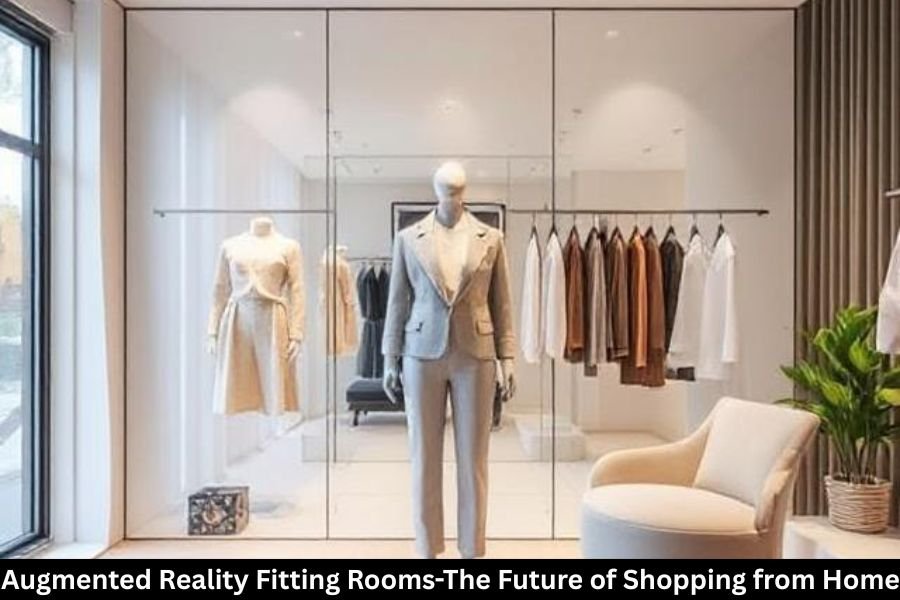
  • Augmented Reality Fitting Rooms-The Future of Shopping from Home

    Augmented Reality Fitting Rooms-The Future of Shopping from Home

    Online shopping has come a long way, but let’s be honest—it still has its flaws. Ever ordered clothes online that looked amazing on the model but terrible on you? That frustration is exactly why augmented reality fitting rooms are changing the game.

    What Is Augmented Reality (AR)?

    Augmented Reality blends digital elements with the real world. Instead of replacing reality, it enhances it. Think of it like trying on clothes through your phone camera while still standing in your bedroom. Cool, right?

    How AR Is Transforming Online Retail

    AR turns passive scrolling into an interactive experience. It allows shoppers to see products on themselves before buying, making online shopping feel more human and less risky.

    What Are Augmented Reality Fitting Rooms?

    How Virtual Try-Ons Work

    AR fitting rooms use your smartphone, tablet, or webcam to overlay digital clothing or accessories onto your body in real time. It’s like a digital dressing room—minus the awkward lighting.

    AR Mirrors vs Mobile AR Apps

    AR mirrors are often used in physical stores, while mobile AR apps bring the fitting room straight to your couch. Both serve the same purpose: helping you visualize before you buy.

    Why Traditional Online Shopping Falls Short

    The Fit and Size Problem

    Sizes vary wildly across brands. A “medium” in one store could be a “large” in another. Without trying it on, buying clothes online feels like a gamble.

    High Return Rates and Customer Frustration

    Ill-fitting products lead to returns, refunds, and disappointment. It’s bad for shoppers, retailers, and the environment.

    How AR Fitting Rooms Solve These Problems

    Accurate Size Visualization

    AR fitting rooms show how clothing fits your body, not a generic model. This helps you choose the right size with confidence.

    Real-Time Product Interaction

    You can turn, move, and see how fabric flows. It’s the closest thing to a real fitting room—without the queue.

    The Technology Behind AR Fitting Rooms

    AI, Computer Vision, and 3D Modeling

    Artificial intelligence analyzes body shapes, while 3D models replicate how garments behave in real life. It’s fashion meeting science.

    Body Scanning and Motion Tracking

    Advanced AR tracks your movements, ensuring clothes move naturally with your body. It’s like having a digital tailor.

    Benefits of AR Fitting Rooms for Shoppers

    Confidence in Buying Decisions

    When you know how something will look, hesitation disappears. AR removes doubt and boosts confidence.

    Convenience and Time Savings

    No more dressing rooms, no more returns. Try dozens of outfits in minutes—right from home.

    Benefits of AR Fitting Rooms for Brands and Retailers

    Reduced Product Returns

    Better buying decisions mean fewer returns, saving money and reducing waste.

    Higher Customer Engagement

    Interactive shopping keeps customers on websites longer and increases conversion rates.

    AR Fitting Rooms in Fashion and Apparel

    Virtual Clothing Try-Ons

    From dresses to jackets, AR lets shoppers see full outfits without touching a hanger.

    Accessories, Shoes, and Eyewear

    Trying sunglasses, shoes, or jewelry virtually is already becoming mainstream—and customers love it.

    AR Fitting Rooms Beyond Fashion

    Beauty and Cosmetics Try-Ons

    Test lipstick shades, foundation tones, or hairstyles virtually before buying. No mess, no regret.

    Furniture and Home Décor Visualization

    AR also helps shoppers place furniture in their homes digitally, ensuring it fits and matches before purchase.

    The Rise of Shopping from Home

    Changing Consumer Behavior

    People want comfort, speed, and personalization. AR fits perfectly into this new mindset.

    The Influence of E-Commerce and Mobile Shopping

    Smartphones have turned homes into shopping hubs, and AR makes the experience immersive.

    How AR Enhances the At-Home Shopping Experience

    Making Online Shopping Interactive

    AR turns shopping into an experience, not just a transaction.

    Bridging the Gap Between Online and In-Store

    It brings the best part of in-store shopping—trying before buying—to the digital world.

    Challenges Facing AR Fitting Rooms

    Technology Limitations

    Not all AR is perfect yet. Fabric textures and lighting can still improve.

    Privacy and Data Concerns

    Body scanning raises questions about data security, making transparency crucial.

    Are AR Fitting Rooms Accessible to Everyone?

    Device Compatibility

    Most AR tools work on modern smartphones, making them widely accessible.

    Cost and Internet Requirements

    As technology advances, AR is becoming more affordable and easier to use.

    The Future of Augmented Reality Fitting Rooms

    Integration with the Metaverse

    Virtual avatars and digital fashion will soon be part of everyday shopping.

    Hyper-Personalized Shopping Experiences

    AI and AR together will recommend styles based on your body, taste, and lifestyle.

    Will AR Fitting Rooms Replace Physical Stores?

    The Hybrid Shopping Model

    Physical stores won’t disappear—they’ll evolve. AR will enhance both online and offline shopping.

    The Role of Physical Retail in the Future

    Stores will become experience centers rather than just places to buy products.

    Conclusion

    Augmented reality fitting rooms are not just a trend—they’re the future of shopping from home. By combining technology with personalization, AR is solving long-standing problems in online shopping. It saves time, reduces waste, boosts confidence, and transforms how we shop. As AR continues to evolve, one thing is clear: the fitting room is no longer limited to a store—it’s wherever you are.

    FAQs

    1. Are AR fitting rooms accurate?

    They are increasingly accurate, especially for size and proportion visualization.

    2. Do AR fitting rooms work on smartphones?

    Yes, most AR fitting rooms are designed for mobile devices.

    3. Are AR fitting rooms safe for privacy?

    Reputable brands use secure systems, but always check privacy policies.

    4. Can AR fitting rooms reduce returns?

    Absolutely. Better fit visualization leads to fewer wrong purchases.

    5. Is AR shopping the future of e-commerce?

    Yes, AR is shaping a more interactive, personalized, and confident shopping experience.

  • Why Zero-Waste Travel Matters

    Why Zero-Waste Travel Matters

    Travel opens our eyes to the world. New cultures, breathtaking landscapes, unforgettable experiences—what’s not to love? But behind the Instagram-perfect photos lies an uncomfortable truth: travel generates a lot of waste. From plastic water bottles to hotel toiletries, tourism often leaves a heavy footprint behind. That’s where zero-waste travel steps in.

    What Does Zero-Waste Travel Mean?

    Zero-waste travel isn’t about being perfect. It’s about being mindful. The idea is simple: reduce the amount of trash you create while traveling by choosing reusable, sustainable alternatives. Think of it like traveling lighter—not just with your luggage, but with your impact on the planet.

    Why Travelers Should Care

    Because the places we love to visit are the ones paying the price. Beaches buried in plastic, mountains littered with wrappers, and local communities overwhelmed by waste—it’s not exactly the legacy we want to leave behind, right?

    The Environmental Impact of Traditional Travel

    Plastic Pollution and Tourism

    Tourism and plastic go hand in hand, unfortunately. Airports, hotels, tourist attractions—single-use plastics are everywhere.

    Single-Use Items in Travel

    Mini shampoo bottles, plastic cutlery, disposable cups, shopping bags—the list is endless. Most of these items are used once and thrown away, often ending up in landfills or oceans.

    Carbon Footprint and Waste Overflow

    While carbon emissions get most of the attention, waste is the silent partner in environmental damage. Many popular destinations lack proper waste management systems, meaning tourist trash piles up quickly.

    How Zero-Waste Travel Supports Sustainable Tourism

    Protecting Natural Destinations

    Zero-waste travel helps keep beaches cleaner, trails safer, and wildlife protected. When travelers reduce waste, destinations stay beautiful longer. It’s like cleaning up after yourself—basic, but powerful.

    Preserving Local Ecosystems

    Plastic and waste don’t just look bad; they harm ecosystems. Animals ingest plastic, water sources get polluted, and natural habitats suffer. Zero-waste habits directly reduce these risks.

    Benefits of Zero-Waste Travel for Local Communities

    Supporting Local Businesses

    Buying from local markets instead of large chains reduces packaging waste and puts money directly into the community. Plus, local products often come with less plastic and more authenticity.

    Respecting Culture and Traditions

    Zero-waste travel encourages mindful consumption. That means respecting how locals live instead of imposing waste-heavy habits on their environment.

    Zero-Waste Travel and Climate Change

    Reducing Emissions Through Conscious Choices

    While zero-waste travel focuses on trash, it often leads to lower carbon emissions too. Choosing trains over flights, eating local food, and staying longer in one place all help.

    Travel Habits That Make a Difference

    Small choices—like carrying a reusable bottle or saying no to plastic straws—add up fast when millions of travelers do the same.

    Simple Zero-Waste Travel Habits Anyone Can Adopt

    Packing Reusable Essentials

    Your zero-waste journey starts before you leave home.

    Reusable Bottles, Bags, and Utensils

    A reusable water bottle, cloth shopping bag, and travel cutlery can eliminate dozens of disposable items on a single trip. Small bag, big impact.

    Choosing Eco-Friendly Accommodation

    Many hotels now offer refillable toiletries, recycling programs, and linen reuse policies. Supporting them encourages the industry to do better.

    Transportation Choices That Reduce Waste

    Public Transport and Slow Travel

    Buses, trains, and shared transport reduce both waste and emissions. Slow travel also means deeper experiences and less consumption.

    Walking and Cycling While Traveling

    Exploring on foot or by bike creates zero waste—and lets you see places in a more intimate way.

    Food Waste and Sustainable Eating While Traveling

    Eating Local and Seasonal Food

    Local food usually means less packaging and fewer emissions. Bonus: it tastes better and tells a story.

    Avoiding Disposable Packaging

    Street food doesn’t have to mean plastic overload. Use your own container when possible or choose vendors who serve food traditionally.

    Digital Tools That Support Zero-Waste Travel

    Paperless Tickets and Guides

    Digital boarding passes, maps, and travel guides reduce paper waste and clutter.

    Apps for Sustainable Travel

    There are apps that help locate refill stations, eco-hotels, and zero-waste stores—technology working with nature, not against it.

    Challenges of Zero-Waste Travel

    Common Misconceptions

    Many people think zero-waste travel is inconvenient or extreme. It’s not. It’s flexible, realistic, and progress-based.

    How to Overcome Practical Barriers

    Not every destination is zero-waste-friendly—and that’s okay. Do what you can with what’s available. Effort matters more than perfection.

    The Role of Travelers in Shaping the Future

    Demand Drives Change

    When travelers demand sustainable options, businesses listen. Your choices send powerful signals.

    Inspiring Others Through Example

    People notice. When others see you traveling responsibly, it sparks curiosity—and change spreads.

    Zero-Waste Travel for Families and Solo Travelers

    Tips for Traveling with Kids

    Kids adapt fast. Reusable snack boxes, bottles, and explaining why it matters can turn travel into a learning experience.

    Minimalist Packing for Solo Trips

    Solo travelers often find zero-waste travel easier. Less stuff, more freedom, fewer disposables.

    Is Zero-Waste Travel Expensive?

    Budget-Friendly Sustainable Travel Tips

    Zero-waste often saves money. Reusable items cost less over time, and local food is usually cheaper.

    Saving Money by Reducing Waste

    Buying less, wasting less, and choosing experiences over things naturally cuts costs.

    The Long-Term Impact of Zero-Waste Travel

    Cleaner Destinations for Future Generations

    Travel shouldn’t come at the cost of the future. Zero-waste travel helps ensure beautiful places stay beautiful.

    A Shift Toward Responsible Tourism

    As more travelers embrace zero-waste habits, tourism evolves into something kinder, smarter, and more sustainable.

    Conclusion

    Zero-waste travel matters because travel should leave memories—not messes. It’s about respecting the places we visit, the people who live there, and the planet we all share. You don’t need to be perfect. You just need to care enough to try. And when millions of travelers do that? The impact is enormous.

    FAQs

    1. Is zero-waste travel really possible?

    Perfect zero-waste is hard, but reducing waste is always possible—and valuable.

    2. What’s the easiest zero-waste habit to start with?

    Carrying a reusable water bottle is the simplest and most effective step.

    3. Does zero-waste travel limit convenience?

    Not really. With a little planning, it becomes second nature.

    4. Can zero-waste travel work in developing countries?

    Yes, and often even better due to local markets and traditional practices.

    5. How can I encourage others to travel zero-waste?

    Lead by example and share your experiences—not lectures.

  • Soft Skills Companies Want in a Digital-First World

    Soft Skills Companies Want in a Digital-First World

    In today’s fast-moving, tech-driven workplace, technical knowledge alone is no longer enough. While digital tools, automation, and artificial intelligence are reshaping industries, one thing remains irreplaceable—human skills. Companies now prioritize soft skills just as much as technical expertise, especially in a digital-first world where remote work, collaboration, and constant change are the norm.

    So, what exactly are the soft skills companies are looking for today? Let’s explore the most in-demand ones and why they matter more than ever.

    What Are Soft Skills?

    Soft skills are personal attributes and interpersonal abilities that influence how you work and interact with others. Unlike hard skills, which can be measured or taught easily, soft skills are more about behavior, mindset, and emotional intelligence.

    Examples include:

    • Communication
    • Adaptability
    • Problem-solving
    • Teamwork
    • Leadership

    In a digital-first environment, these skills help people work effectively across screens, time zones, and cultures.

    Why Soft Skills Matter in a Digital-First World

    Technology can process data, but it can’t replace empathy, creativity, or human judgment. As workplaces become more virtual and automated, companies rely on employees who can:

    • Communicate clearly online
    • Adapt to constant change
    • Collaborate remotely
    • Think critically and creatively

    Soft skills bridge the gap between humans and machines, making them essential for long-term career success.

    Communication Skills: More Important Than Ever

    Clear Digital Communication

    With emails, chats, and video calls replacing face-to-face meetings, clear communication is crucial. Employees must express ideas simply and avoid misunderstandings.

    Active Listening

    Good communication isn’t just about speaking—it’s about listening. Active listening helps teams understand perspectives, build trust, and solve problems faster.

    Adaptability and Flexibility

    Embracing Change

    Digital workplaces evolve constantly. New tools, platforms, and processes appear overnight. Companies value employees who don’t resist change but adapt quickly.

    Learning on the Go

    Adaptable professionals see change as an opportunity to grow rather than a threat. They’re open to learning and experimenting.

    Emotional Intelligence (EQ)

    Understanding Emotions in Virtual Workspaces

    Emotional intelligence helps employees recognize emotions—both their own and others’. In remote work, this skill prevents misunderstandings and conflict.

    Building Strong Relationships

    People with high EQ build stronger relationships, even without in-person interaction. They create positive work environments through empathy and respect.

    Problem-Solving and Critical Thinking

    Finding Solutions in a Digital Landscape

    Digital tools generate data, but humans interpret it. Companies want employees who can analyze problems, think critically, and offer practical solutions.

    Making Smart Decisions

    Critical thinkers don’t jump to conclusions. They evaluate options carefully, especially in fast-paced digital settings.

    Collaboration and Teamwork

    Working Effectively in Remote Teams

    Collaboration is no longer limited to office spaces. Teams work across locations and time zones. Strong teamwork skills ensure projects move forward smoothly.

    Respecting Diverse Perspectives

    Digital-first companies are global. Respecting cultural differences and diverse opinions strengthens collaboration and innovation.

    Time Management and Self-Discipline

    Staying Productive Without Supervision

    Remote and hybrid work require strong self-discipline. Employers value professionals who manage time efficiently without constant monitoring.

    Balancing Multiple Digital Tasks

    Managing emails, meetings, and deadlines requires focus. Good time management prevents burnout and boosts productivity.

    Creativity and Innovation

    Thinking Beyond Automation

    While technology automates tasks, creativity drives innovation. Companies want employees who think outside the box and bring fresh ideas.

    Adding a Human Touch

    Creative thinkers humanize digital experiences, making products and services more relatable and engaging.

    Leadership and Influence

    Leading in Virtual Environments

    Digital leadership isn’t about authority—it’s about influence. Leaders motivate teams, communicate vision, and build trust remotely.

    Taking Ownership

    Companies appreciate individuals who show initiative, take responsibility, and inspire others—regardless of job title.

    Resilience and Stress Management

    Handling Digital Pressure

    Always-on digital environments can be stressful. Resilient employees stay calm, focused, and productive under pressure.

    Bouncing Back from Challenges

    Resilience helps professionals recover from setbacks and continue moving forward with confidence.

    Ethical Thinking and Accountability

    Responsible Use of Technology

    With access to data and digital tools comes responsibility. Companies value employees who act ethically and protect privacy.

    Building Trust in Digital Workspaces

    Integrity builds trust, especially when teams don’t work face-to-face.

    How to Develop Soft Skills for a Digital-First Career

    Practice Communication Daily

    Improve writing and speaking skills through regular feedback and practice.

    Invest in Self-Awareness

    Reflect on strengths and weaknesses. Emotional intelligence grows with awareness.

    Embrace Continuous Learning

    Attend workshops, join online communities, and stay curious.

    Conclusion

    In a digital-first world, technical skills may get you hired—but soft skills help you thrive. Companies want professionals who can communicate clearly, adapt quickly, collaborate effectively, and think critically. As technology continues to evolve, human-centered skills will only become more valuable.

    Mastering soft skills isn’t optional anymore—it’s the key to staying relevant, resilient, and successful in the modern workplace.

    FAQs

    1. What are the most important soft skills in a digital-first world?

    Communication, adaptability, emotional intelligence, problem-solving, and collaboration are among the most important.

    2. Why do companies value soft skills over technical skills?

    Technical skills can be taught, but soft skills define how effectively people work with others and adapt to change.

    3. Can soft skills be learned?

    Yes, soft skills can be developed through practice, feedback, and self-awareness.

    4. How do soft skills help in remote work?

    They improve communication, teamwork, time management, and trust in virtual environments.

    5. Will soft skills remain important in the future?

    Absolutely. As automation increases, human skills will become even more essential.

  • Fashion Moments That Changed History – From Princess Diana to Rihanna

    Fashion Moments That Changed History – From Princess Diana to Rihanna

    Fashion isn’t just about clothes—it’s about moments. A single outfit can challenge traditions, start conversations, and even shift cultural norms. Iconic fashion moments often capture the mood of an era, reflecting rebellion, freedom, power, or change.

    Fashion as a Cultural and Social Mirror

    What people wear often says more than words. Fashion reflects social movements, political climates, and personal identities. That’s why certain outfits become legendary—they stand for something bigger than fabric and design.

    Princess Diana – The People’s Princess of Style

    Breaking Royal Fashion Rules

    Princess Diana transformed royal fashion by softening its stiff image. She wore colors, silhouettes, and styles that felt approachable and modern. Suddenly, royal fashion wasn’t untouchable—it was relatable.

    The Revenge Dress That Shocked the World

    Why the Revenge Dress Was Revolutionary

    Diana’s black off-shoulder “revenge dress” wasn’t just bold—it was empowering. At a moment of personal pain, she chose confidence over conformity. That dress became a symbol of independence, strength, and silent rebellion.

    Audrey Hepburn – Timeless Elegance Redefined

    Little Black Dress and Breakfast at Tiffany’s

    Audrey Hepburn’s little black dress proved that simplicity could be unforgettable. It wasn’t flashy—it was refined. That single look turned minimalism into a global fashion ideal.

    Minimalism as a Fashion Statement

    Hepburn showed the world that elegance doesn’t shout. Clean lines, subtle accessories, and grace became her signature—and a blueprint for timeless fashion.

    Coco Chanel – Changing Women’s Fashion Forever

    Freedom from Corsets

    Coco Chanel didn’t just design clothes—she liberated women. By removing corsets and embracing comfort, she redefined femininity as freedom rather than restriction.

    Chanel No. 5 and Iconic Tweed Suits

    Her designs blurred gender lines and prioritized comfort. Chanel proved fashion could be luxurious and practical at the same time.

    Marilyn Monroe – Glamour and Femininity

    The White Dress Moment

    That iconic white dress blowing over a subway grate became one of the most famous fashion images ever. It symbolized confidence, allure, and Hollywood glamour.

    Redefining Sexy in Fashion

    Marilyn owned her femininity unapologetically. She showed that fashion could celebrate curves, confidence, and individuality.

    Madonna – Fashion Meets Rebellion

    1980s Pop Fashion Revolution

    Madonna turned lace gloves, layered necklaces, and bold makeup into symbols of rebellion. Her style screamed freedom and self-expression.

    Cone Bra and Gender Expression

    By wearing the cone bra on stage, Madonna challenged norms around sexuality and gender, making fashion a powerful form of protest.

    Michael Jackson – Fashion Beyond Music

    The Red Leather Jacket Era

    Michael Jackson’s red leather jacket became instantly recognizable. His outfits weren’t costumes—they were cultural icons.

    Gloves, Hats, and Global Influence

    Every accessory he wore became a trend. He proved fashion could amplify identity and artistic expression.

    Naomi Campbell and the Rise of Supermodels

    Diversity on the Runway

    Naomi Campbell broke barriers as one of the first Black supermodels to dominate global fashion. Her presence changed runway standards forever.

    The Power Walk That Changed Fashion Shows

    Her confident walk became legendary, turning models into stars and runways into performances.

    Lady Diana vs. Traditional Royal Dressing

    Casual Chic and Off-Duty Looks

    Diana’s off-duty style—sweaters, jeans, and sneakers—humanized royalty. She showed that style could be relaxed and still elegant.

    Humanizing Royal Fashion

    Her fashion choices made royalty feel closer to real people, redefining public expectations forever.

    Lady Gaga – Fashion as Performance Art

    The Meat Dress Moment

    Lady Gaga’s meat dress shocked the world. Love it or hate it, it made people talk—and that was the point.

    Pushing Fashion Boundaries

    Gaga proved fashion could be political, provocative, and deeply personal.

    Beyoncé – Empowerment Through Fashion

    Stage Costumes with Meaning

    Beyoncé’s fashion choices often reflect empowerment, culture, and strength. Every outfit tells a story.

    Fashion as Feminism

    Her looks celebrate identity, heritage, and confidence, turning fashion into a message of self-worth.

    Rihanna – The Ultimate Fashion Risk-Taker

    Met Gala Looks That Made History

    Rihanna doesn’t follow themes—she defines them. Her Met Gala appearances are masterclasses in boldness and creativity.

    Breaking Beauty and Style Norms

    Rihanna as a Fashion Icon, Not a Follower

    From streetwear to haute couture, Rihanna effortlessly blends styles. She changed beauty standards and proved inclusivity is powerful.

    Street Style Moments That Changed Fashion

    From Runways to Real Life

    Street style shifted power from designers to people. Everyday fashion became just as influential as high-end couture.

    Youth Culture and Fashion Movements

    Subcultures like punk, hip-hop, and grunge reshaped global fashion trends.

    How Fashion Moments Influence Society

    Politics, Identity, and Style

    Fashion often reflects political beliefs, cultural pride, and social resistance. Clothing becomes a voice when words aren’t enough.

    Fashion as a Voice for Change

    From protest tees to symbolic colors, fashion continues to inspire conversations and movements.

    The Digital Age of Fashion Moments

    Social Media and Viral Fashion

    One outfit can now break the internet overnight. Instagram and red carpets create instant fashion history.

    How Trends Are Born Overnight

    Fashion moments no longer wait for magazines—they happen in real time.

    The Future of Historic Fashion Moments

    What’s Next for Fashion History

    Technology, Sustainability, and Expression

    The future of fashion will focus on innovation, sustainability, and individuality. New icons will rise, and new moments will be made.

    Conclusion

    Fashion moments that changed history remind us that clothes can do more than decorate—they can empower, challenge, and inspire. From Princess Diana’s quiet rebellion to Rihanna’s fearless creativity, fashion continues to shape culture and identity. These moments live on because they captured courage, confidence, and change—stitched into history forever.

    FAQs

    1. Why are fashion moments important in history?

    They reflect cultural, social, and political changes of their time.

    2. Why is Princess Diana considered a fashion icon?

    She broke royal norms and used fashion to express independence and compassion.

    3. How did Rihanna change modern fashion?

    She challenged beauty standards, embraced inclusivity, and redefined luxury fashion.

    4. Can fashion influence social change?

    Yes, fashion often communicates messages of identity, protest, and empowerment.

    5. Will fashion moments continue to shape history?

    Absolutely. As culture evolves, fashion will continue to document and influence change.

  • The Power of Scent: How to Use Aromatherapy to Transform Your Space

    The Power of Scent: How to Use Aromatherapy to Transform Your Space

    Have you ever smelled something and instantly been transported back in time? Maybe fresh bread reminds you of childhood, or a certain perfume brings back a specific person. That’s the power of scent. Smell bypasses logic and goes straight to emotion, making it the most powerful sense we have.

    How Scents Influence Mood and Behavior

    Scents quietly shape how we feel and act. A calming aroma can soften a stressful day, while an energizing scent can kickstart your motivation. Aromatherapy uses this natural connection to intentionally shape your environment—and your mindset.

    What Is Aromatherapy?

    The Basics of Aromatherapy

    Aromatherapy is the practice of using natural plant extracts, mainly essential oils, to improve physical, emotional, and mental well-being. It’s been used for centuries, but today it’s more accessible—and stylish—than ever.

    Essential Oils vs Synthetic Fragrances

    Not all scents are created equal. Essential oils come from plants, flowers, and trees, while synthetic fragrances are lab-made. Natural oils interact with the brain differently, offering therapeutic benefits beyond just smelling good.

    The Science Behind Aromatherapy

    How Scents Affect the Brain

    When you inhale a scent, it travels through your nose to the olfactory bulb, which connects directly to emotional and memory centers in the brain. That’s why scents can instantly shift your mood.

    Emotional Memory and Smell

    Unlike sights or sounds, smells are deeply tied to emotional memory. One whiff can trigger calm, joy, or nostalgia faster than a favorite song.

    The Limbic System Explained

    The limbic system controls emotions, behavior, and memory. Aromatherapy works here, making it a powerful tool for emotional balance and stress relief.

    Benefits of Aromatherapy at Home

    Stress Reduction and Relaxation

    Scents like lavender and chamomile act like a gentle exhale for your nervous system. They signal your body to slow down, relax, and let go.

    Improved Focus and Productivity

    Need to concentrate? Scents like peppermint, rosemary, and lemon sharpen focus and mental clarity, making them perfect for workspaces.

    Better Sleep and Rest

    A calming nighttime scent routine tells your brain it’s time to rest. Aromatherapy can be the bridge between a busy day and deep sleep.

    Choosing the Right Scents for Your Space

    Calming Scents

    Lavender, sandalwood, ylang-ylang, and frankincense are ideal for relaxation. These scents feel like a soft blanket for the mind.

    Energizing Scents

    Citrus oils, eucalyptus, and peppermint add a burst of freshness. They’re like opening a window on a spring morning.

    Comforting and Grounding Scents

    Vanilla, cedarwood, and patchouli create warmth and emotional grounding, perfect for cozy spaces.

    Aromatherapy Room by Room

    Living Room Scents

    The living room is the heart of the home. Use balanced scents like bergamot or sweet orange to keep it welcoming and uplifting.

    Bedroom Scents

    Soft, soothing scents like lavender and chamomile help calm the mind and prepare the body for sleep.

    Kitchen Scents

    Citrus and herbal scents like lemon or basil neutralize odors and keep the space feeling clean and fresh.

    Bathroom Scents

    Eucalyptus and tea tree create a spa-like atmosphere, turning everyday routines into mini retreats.

    Home Office Scents

    Peppermint, rosemary, and lemon boost alertness and reduce mental fatigue.

    Popular Essential Oils and Their Uses

    Lavender

    The ultimate relaxation oil. Great for stress, sleep, and emotional balance.

    Eucalyptus

    Refreshing and cleansing, perfect for breathing easier and mental clarity.

    Peppermint

    Sharp, cool, and energizing—ideal for focus and headaches.

    Citrus Oils

    Orange, lemon, and grapefruit lift mood and energize spaces instantly.

    Sandalwood and Frankincense

    Deep, grounding scents that promote calm and mindfulness.

    Different Ways to Use Aromatherapy

    Diffusers

    The most popular method. Diffusers spread scent evenly and safely throughout a room.

    Candles

    Aromatherapy candles add ambiance and scent, but choose natural waxes for cleaner air.

    Room Sprays

    Quick and effective for instant freshness.

    Oil Roll-Ons

    Perfect for personal use—apply to wrists or temples for on-the-go calm.

    Passive Diffusion Methods

    Wooden beads, lava stones, and ceramic diffusers gently release scent without heat or electricity.

    Creating Signature Scents for Your Home

    Blending Essential Oils

    Mixing oils lets you create a scent that feels uniquely yours. Start with one base note, one middle note, and one top note.

    Seasonal Scent Styling

    Use warm spices in winter, florals in spring, citrus in summer, and earthy tones in fall to match the season’s energy.

    Aromatherapy for Emotional Well-being

    Reducing Anxiety

    Calming oils help regulate breathing and quiet racing thoughts.

    Boosting Mood Naturally

    Uplifting scents stimulate feel-good chemicals in the brain—no caffeine required.

    Creating a Sense of Safety and Comfort

    Familiar scents can make a space feel safe, cozy, and emotionally grounding.

    Aromatherapy and Mindfulness

    Using Scent for Meditation

    Scent anchors you to the present moment, making meditation deeper and more focused.

    Enhancing Yoga and Relaxation Practices

    Aromatic cues signal the body to slow down and tune in.

    Safety Tips for Aromatherapy

    Dilution and Usage Guidelines

    Essential oils are powerful. Always dilute properly and use recommended amounts.

    Aromatherapy Around Kids and Pets

    Some oils aren’t safe for children or animals. Research before use.

    Common Mistakes to Avoid

    Overuse, poor ventilation, and low-quality oils can reduce benefits.

    Aromatherapy on a Budget

    Affordable Essential Oils

    You don’t need dozens. A few high-quality oils go a long way.

    DIY Aromatherapy Ideas

    Make your own sprays, sachets, or roller blends at home.

    The Future of Scent in Interior Design

    Scent as a Design Element

    Just like color and texture, scent is becoming part of holistic design.

    Smart Home Scent Technology

    Automated scent systems will soon customize mood at the push of a button.

    Conclusion

    Scent is invisible, yet incredibly powerful. Aromatherapy transforms ordinary spaces into emotional sanctuaries—places where you can relax, focus, or recharge. By choosing the right scents and using them intentionally, you don’t just change how your home smells—you change how it feels. And sometimes, that makes all the difference.

    Frequently Asked Questions

    Can aromatherapy really change my mood?

    Yes, scent directly affects emotional centers in the brain.

    How long should I diffuse essential oils?

    Typically 30–60 minutes at a time is enough.

    Are essential oils safe for daily use?

    Yes, when used correctly and in moderation.

    Can I mix different essential oils together?

    Absolutely. Blending enhances both scent and benefits.

    What’s the best aromatherapy method for beginners?

    A diffuser with one or two oils is the easiest place to start.

  • Why Consider Training and Development for Your Employees First

    Why Consider Training and Development for Your Employees First

    Think of training and development as the fuel that keeps your business engine running smoothly. Training focuses on equipping employees with specific skills they need right now, while development is about preparing them for future roles and responsibilities. Together, they create a workforce that’s capable, confident, and ready to grow.

    Why This Topic Matters More Than Ever

    In today’s fast-paced business world, standing still is the same as moving backward. Companies that prioritize employee training and development stay competitive, innovative, and resilient. If your people grow, your business grows—it’s that simple.

    The Changing Workplace Landscape

    Rapid Technological Advancements

    Technology evolves faster than ever. New tools, software, and systems pop up constantly. Without regular training, employees can quickly fall behind, like trying to use an old map in a city full of new roads.

    Evolving Employee Expectations

    Modern employees don’t just want a paycheck. They want purpose, growth, and learning opportunities. Training and development have become non-negotiables for attracting and retaining top talent.

    The Rise of Lifelong Learning

    Learning is no longer confined to classrooms or early careers. Today’s workforce expects continuous learning, and organizations that support it earn long-term loyalty.

    Training vs. Development: Understanding the Difference

    Short-Term Skill Training

    Training is tactical. It focuses on immediate job-related skills—think software tutorials, safety procedures, or compliance training.

    Long-Term Employee Development

    Development is strategic. It prepares employees for future challenges, leadership roles, and career progression. It’s like planting a tree instead of buying firewood.

    The Business Case for Training Employees First

    Boosting Productivity and Performance

    Well-trained employees work smarter, not harder. They make fewer mistakes, complete tasks faster, and deliver higher-quality results.

    Improving Quality and Efficiency

    When employees know what they’re doing, processes become smoother. Training eliminates guesswork and builds consistency across teams.

    Employee Retention and Loyalty

    How Learning Opportunities Reduce Turnover

    Employees are far less likely to leave a company that invests in their growth. Training signals commitment, and commitment breeds loyalty.

    Training as a Sign of Investment

    Would you stay where you feel undervalued? Probably not. Training shows employees they matter, and that feeling goes a long way.

    Building a Strong Company Culture

    Encouraging Growth Mindsets

    Training promotes curiosity and continuous improvement. It creates a culture where learning is celebrated, not feared.

    Creating Engaged Teams

    Engaged employees are motivated, collaborative, and enthusiastic. Training gives them the tools to contribute meaningfully.

    Closing Skill Gaps Internally

    Identifying Skill Gaps

    Skill gaps are inevitable, but they don’t have to be deal-breakers. Training helps you spot and close those gaps before they become problems.

    Upskilling vs. Hiring New Talent

    Hiring externally is expensive and risky. Upskilling existing employees is faster, cheaper, and builds internal trust.

    Cost-Effectiveness of Training and Development

    Reducing Recruitment Costs

    Recruitment fees, onboarding, and lost productivity add up quickly. Training minimizes these costs by developing talent from within.

    Maximizing Existing Talent

    Your employees already understand your business. Training unlocks their full potential without starting from scratch.

    Enhancing Employee Confidence and Morale

    Empowerment Through Knowledge

    Knowledge is power. Training empowers employees to make decisions, solve problems, and take initiative.

    Confidence Leads to Innovation

    Confident employees aren’t afraid to share ideas or try new approaches. That’s where innovation thrives.

    Leadership Development from Within

    Preparing Future Leaders

    Leadership training builds a pipeline of capable managers who understand your culture and values.

    Succession Planning Made Easy

    When leaders leave, trained successors step in seamlessly. No panic. No disruption.

    Adaptability and Change Management

    Training for Organizational Agility

    Change is inevitable. Training helps employees adapt quickly and stay productive during transitions.

    Thriving During Change

    Instead of resisting change, trained employees embrace it, turning challenges into opportunities.

    Improving Customer Satisfaction

    Well-Trained Employees Deliver Better Service

    Customers notice competence. Trained employees provide faster, friendlier, and more effective service.

    Consistency in Customer Experience

    Training ensures everyone delivers the same high-quality experience, every time.

    Supporting Diversity, Equity, and Inclusion

    Equal Access to Growth Opportunities

    Training levels the playing field, giving everyone a fair chance to grow and succeed.

    Inclusive Learning Environments

    Inclusive training fosters understanding, collaboration, and respect across diverse teams.

    Measuring the Impact of Training Programs

    Key Metrics to Track

    Productivity, engagement, retention, and performance metrics reveal training effectiveness.

    Continuous Improvement

    Feedback and data help refine programs, ensuring they stay relevant and impactful.

    Common Challenges and How to Overcome Them

    Time and Budget Constraints

    Start small. Even short, focused training sessions can deliver big results.

    Employee Resistance

    Communicate benefits clearly and involve employees in the learning process.

    How to Get Started with Training and Development

    Assessing Training Needs

    Identify current skills, future goals, and gaps. Let data guide your decisions.

    Designing Effective Programs

    Blend online learning, workshops, and hands-on experience for maximum impact.

    Conclusion: Why Training and Development Should Come First

    Training and development aren’t optional—they’re essential. By prioritizing your employees’ growth, you build a stronger, more agile, and more successful organization. When you invest in people first, everything else falls into place.

    FAQs

    1. Why should companies prioritize training and development?

    Because skilled, confident employees drive productivity, innovation, and long-term success.

    2. Is training expensive for small businesses?

    Not necessarily. Many affordable and scalable training options deliver high ROI.

    3. How often should employee training be conducted?

    Training should be continuous, with regular updates based on business needs.

    4. Does training really improve employee retention?

    Yes. Employees stay longer where they see growth opportunities.

    5. What’s the difference between training and development?

    Training focuses on current skills; development prepares employees for future roles.