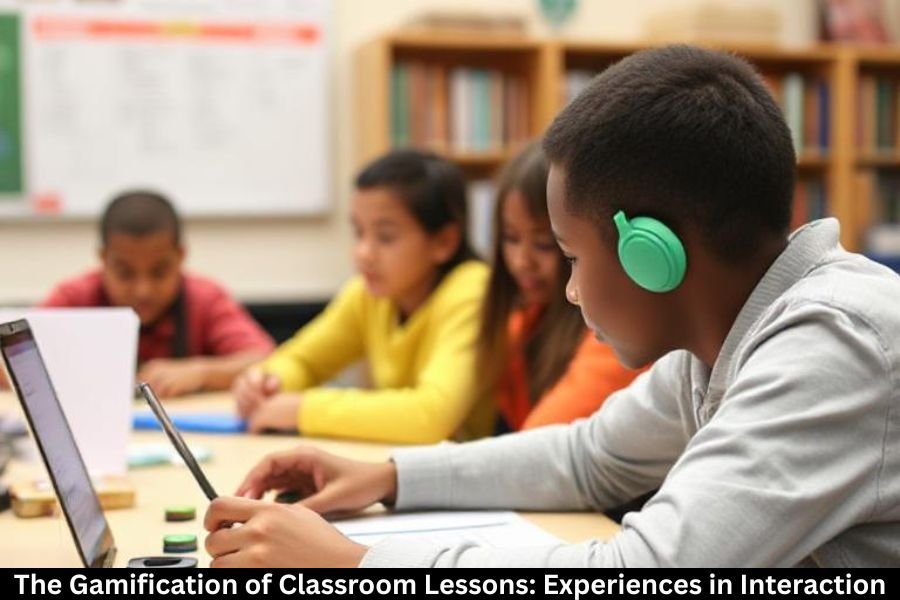
Imagine walking into a classroom where students are excited, engaged, and eager to participate—not because there’s a test, but because learning feels like a game. That’s the magic of gamification in education. It transforms traditional lessons into interactive experiences that spark curiosity and motivation.
What Is Gamification in the Classroom?
Gamification is the use of game elements—like points, challenges, levels, and rewards—in non-game environments. In classrooms, it means turning lessons into interactive journeys where students actively participate rather than passively listen.
Why Gamification Matters in Modern Learning
Today’s students grow up with technology, games, and instant feedback. Gamification meets them where they are. It speaks their language, making learning more relatable, enjoyable, and effective.
The Evolution of Traditional Teaching Methods
From Chalkboards to Digital Classrooms
Education has come a long way from chalk dust and rigid lectures. Smart boards, tablets, and online platforms have opened doors to dynamic teaching methods that encourage interaction.
The Shift Toward Interactive Learning
Students learn best by doing. Gamification supports this shift by promoting hands-on experiences where mistakes are part of the journey, not something to fear.
Core Principles of Classroom Gamification
Game Mechanics and Learning Objectives
Successful gamification aligns game mechanics with educational goals. Points and levels should reinforce learning—not distract from it.
Motivation, Rewards, and Progress Tracking
Rewards provide instant feedback, while progress tracking keeps students aware of their growth. It’s like a roadmap that shows how far they’ve come.
Intrinsic vs Extrinsic Motivation
While badges and points motivate externally, the real goal is intrinsic motivation—learning because it’s enjoyable and meaningful.
How Gamification Enhances Student Engagement
Active Participation and Attention
Gamified lessons turn students into active players. Instead of zoning out, they’re solving problems, collaborating, and competing in healthy ways.
Reducing Learning Anxiety Through Play
Games make failure feel safe. When mistakes are part of the game, students are more willing to try, explore, and learn.
Types of Gamification Strategies in Classrooms
Points, Badges, and Leaderboards
These elements add excitement and structure. They reward effort, consistency, and improvement—not just high scores.
Role-Playing and Simulation-Based Learning
Role-playing allows students to step into different perspectives, making abstract concepts feel real and relatable.
Storytelling and Narrative Learning
A strong narrative pulls students in. When lessons feel like chapters in a story, curiosity naturally follows.
Technology’s Role in Gamified Learning
Educational Apps and Platforms
Apps like quiz-based games and interactive simulations make learning flexible and accessible anywhere.
Gamification Through Learning Management Systems
Many LMS platforms now include gamified features like progress bars, achievements, and interactive quizzes.
Teacher Experiences with Gamified Lessons
Classroom Management Improvements
Engaged students are easier to manage. Gamification reduces disruptions by keeping learners focused and involved.
Teacher Creativity and Instructional Design
Gamification encourages teachers to think creatively, designing lessons that feel fresh and exciting.
Student Experiences and Interaction
Collaboration and Peer Learning
Team-based challenges foster communication and cooperation. Students learn from each other while working toward shared goals.
Increased Confidence and Ownership of Learning
When students track their progress, they feel more responsible for their learning journey.
Gamification Across Different Subjects
Gamifying Math and Science Lessons
Quests, challenges, and simulations make problem-solving more engaging and less intimidating.
Language, History, and Social Studies
Games bring stories, cultures, and timelines to life, turning memorization into exploration.
Gamification in Arts and Creative Subjects
Creative challenges and interactive projects encourage expression and innovation.
Benefits of Gamification in Classroom Lessons
Improved Knowledge Retention
When learning is fun, it sticks. Gamification enhances memory through repetition and engagement.
Development of Critical Thinking Skills
Games require strategy, analysis, and decision-making—skills essential beyond the classroom.
Challenges and Limitations of Gamification
Overemphasis on Rewards
Too much focus on points can overshadow learning. Balance is essential.
Time, Resources, and Training Barriers
Effective gamification requires planning, tools, and teacher training, which can be challenging.
Best Practices for Effective Classroom Gamification
Aligning Games with Learning Goals
Every game element should serve a clear educational purpose.
Keeping Gamification Inclusive and Fair
Design games that support diverse learning styles and abilities.
Balancing Fun and Academic Rigor
Fun should enhance learning, not replace it. The goal is meaningful engagement.
Measuring the Impact of Gamified Learning
Assessment and Feedback Methods
Quizzes, reflections, and performance data help measure effectiveness.
Student Performance and Engagement Metrics
Tracking participation and progress offers insights into what works best.
The Future of Gamification in Education
AI, VR, and Immersive Learning
Emerging technologies promise even deeper, more personalized learning experiences.
Personalized Gamified Learning Paths
Adaptive systems tailor challenges to individual student needs and pace.
Conclusion
Gamification as a Powerful Tool for Interaction
Gamification isn’t about turning school into a playground—it’s about making learning interactive, meaningful, and human. When used thoughtfully, it transforms classrooms into vibrant spaces where curiosity thrives and students actively engage with knowledge.
FAQs
1. Is gamification suitable for all age groups?
Yes, gamification can be adapted for learners of all ages with age-appropriate strategies.
2. Does gamification replace traditional teaching?
No, it complements traditional methods by enhancing engagement and interaction.
3. Can gamification improve academic performance?
When aligned with learning goals, it can significantly boost motivation and retention.
4. What tools are commonly used for classroom gamification?
Educational apps, LMS platforms, quizzes, simulations, and role-playing activities.
5. What is the biggest mistake in classroom gamification?
Focusing too much on rewards instead of meaningful learning experiences.









15 Comments
Got the 747liveapk running on my Android. No lag, no issues. Smooth sailing all the way. Makes playing on the run easy.
Yo, BigBallerClubPro! Just checked it out, looking slick! Always good to find new options. Hope it’s as baller as the name suggests! Check it out bigballerclubpro.
Safety first! is747livesafe…That’s what I like to hear! Gotta make sure things are legit before diving in. Staying safe guys! Learn more is747livesafe.
Your point of view caught my eye and was very interesting. Thanks. I have a question for you.
I don’t think the title of your article matches the content lol. Just kidding, mainly because I had some doubts after reading the article.
Your article helped me a lot, is there any more related content? Thanks!
Can you be more specific about the content of your article? After reading it, I still have some doubts. Hope you can help me. https://accounts.binance.info/register-person?ref=IHJUI7TF
Your article helped me a lot, is there any more related content? Thanks!
I don’t think the title of your article matches the content lol. Just kidding, mainly because I had some doubts after reading the article.
Can you be more specific about the content of your article? After reading it, I still have some doubts. Hope you can help me.
Thanks for sharing. I read many of your blog posts, cool, your blog is very good. https://www.binance.com/join?ref=QCGZMHR6
Your point of view caught my eye and was very interesting. Thanks. I have a question for you.
Thank you for your sharing. I am worried that I lack creative ideas. It is your article that makes me full of hope. Thank you. But, I have a question, can you help me? https://www.binance.info/ar/register?ref=FIHEGIZ8
Can you be more specific about the content of your article? After reading it, I still have some doubts. Hope you can help me. https://www.binance.com/register?ref=IXBIAFVY
Your point of view caught my eye and was very interesting. Thanks. I have a question for you. https://www.binance.com/register?ref=JW3W4Y3A