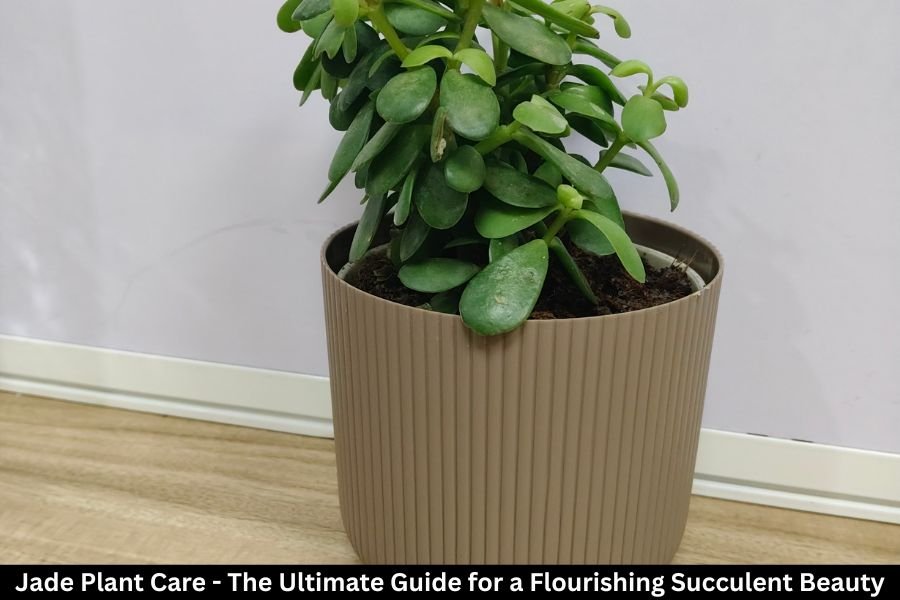
If there’s one houseplant that perfectly balances beauty and simplicity, it’s the jade plant. Tough yet elegant, low-maintenance yet rewarding—this succulent is like that reliable friend who always shows up looking good without trying too hard. Whether you’re a beginner or a seasoned plant lover, jade plant care is refreshingly straightforward once you understand its rhythm.
What Is a Jade Plant?
The jade plant, scientifically known as Crassula ovata, is a succulent native to South Africa. It’s known for its thick, glossy, oval-shaped leaves and sturdy, tree-like stems. These fleshy leaves store water, making the plant drought-tolerant and forgiving if you forget a watering or two.
Why Jade Plants Are So Popular
Jade plants are loved for their longevity, symbolism, and adaptability. They can live for decades, grow into stunning mini trees, and are often passed down through generations. Plus, they’re said to bring luck and prosperity—who wouldn’t want that sitting on their windowsill?
Types of Jade Plants You Should Know
Crassula Ovata (Classic Jade)
This is the most common variety. Thick green leaves, woody stems, and a classic bonsai-like look make it a favorite for homes and offices.
Variegated Jade Plant
This beauty features green leaves edged with creamy white or yellow. It’s slightly slower-growing but adds a bright, decorative touch.
Gollum and Hobbit Jade
These quirky varieties have tubular, finger-like leaves that look straight out of a fantasy novel. They’re conversation starters and just as easy to care for.
How to Choose the Right Jade Plant
Choose a jade plant with firm leaves, strong stems, and no signs of mushiness or discoloration. Healthy plants bounce back faster and grow better long-term.
Benefits of Growing a Jade Plant
Symbolism and Feng Shui Benefits
In Feng Shui, jade plants symbolize wealth, luck, and positive energy. They’re often placed near entrances or workspaces to invite prosperity.
Air-Purifying and Wellness Value
While not the strongest air purifier, jade plants contribute to better indoor air quality and add calming greenery that reduces stress.
Ideal Growing Conditions for Jade Plants
Light Requirements for Healthy Growth
Jade plants love bright, indirect sunlight. A south- or west-facing window is perfect. Too little light leads to leggy growth, while harsh direct sun can scorch the leaves.
Best Temperature and Humidity Levels
They thrive in temperatures between 65–75°F (18–24°C). Average household humidity is just fine—no misting required.
Jade Plant Soil Requirements
Best Soil Mix for Jade Plants
Well-draining soil is non-negotiable. A cactus or succulent mix works perfectly, preventing excess moisture around the roots.
DIY Soil Mix vs Store-Bought Options
You can mix regular potting soil with sand or perlite for better drainage, but store-bought succulent mixes save time and guesswork.
How to Water a Jade Plant Properly
Understanding Overwatering vs Underwatering
Overwatering is the number one jade plant killer. Let the soil dry out completely between waterings. If in doubt, wait—jade plants prefer dry roots over soggy ones.
Seasonal Watering Schedule
Water more during spring and summer when the plant is actively growing. Reduce watering significantly in fall and winter.
Fertilizing Jade Plants for Optimal Growth
Best Fertilizers for Succulents
Use a balanced, water-soluble fertilizer diluted to half strength. Succulent-specific fertilizers work best.
How Often Should You Fertilize?
Once every 2–3 months during the growing season is enough. Skip fertilizing in winter.
Pruning and Shaping Your Jade Plant
When and Why to Prune
Pruning encourages branching and helps maintain shape. The best time to prune is spring or early summer.
Encouraging a Tree-Like Shape
Remove leggy growth and trim back stems to promote a thick trunk and balanced canopy.
Repotting a Jade Plant
Signs Your Jade Plant Needs Repotting
Roots growing out of drainage holes, slow growth, or a top-heavy plant are clear signs it’s time to repot.
Step-by-Step Repotting Guide
Choose a slightly larger pot with drainage holes, refresh the soil, and allow the plant to settle before watering again.
Propagating Jade Plants
Leaf Propagation Method
Simply place a healthy leaf on dry soil and wait. Roots and tiny plants will form in a few weeks.
Stem Cutting Propagation
Cut a healthy stem, let it callous, then plant it in dry soil. This method is faster and more reliable.
Common Jade Plant Problems
Yellow Leaves and Leaf Drop
Usually caused by overwatering or sudden temperature changes. Adjust care and remove affected leaves.
Root Rot and Mushy Stems
This is a sign of prolonged overwatering. Act fast—trim damaged roots and repot in dry soil.
Pest Problems and Solutions
Mealybugs and spider mites are common. Use neem oil or insecticidal soap to treat infestations.
Jade Plant Care Indoors vs Outdoors
Indoor Jade Plant Care Tips
Rotate the plant for even growth and keep it near bright windows.
Outdoor Growing Considerations
Jade plants can thrive outdoors in warm climates but must be protected from frost and heavy rain.
Seasonal Jade Plant Care Guide
Summer and Spring Care
This is growth season—provide light, water moderately, and fertilize occasionally.
Fall and Winter Dormancy Care
Reduce watering, stop fertilizing, and let the plant rest.
How to Make Your Jade Plant Thrive Long-Term
Growth Tips from Experienced Gardeners
Consistency is key. Stable light, proper watering, and patience lead to stunning results.
Mistakes to Avoid
Avoid frequent watering, poor drainage, and sudden environmental changes.
Conclusion
Growing a Jade Plant Is Easier Than You Think
Jade plant care is all about balance—light but not too harsh, water but not too much, care without overdoing it. Treat it right, and this resilient succulent will reward you with years of beauty, growth, and maybe even a little good fortune.
FAQs
1. How often should I water my jade plant?
Only when the soil is completely dry, usually every 2–3 weeks depending on the season.
2. Can jade plants survive low light?
They can survive but won’t thrive. Bright indirect light is ideal.
3. Why are my jade plant leaves falling off?
Overwatering, temperature shock, or sudden light changes are common causes.
4. Is jade plant toxic to pets?
Yes, jade plants are toxic to cats and dogs if ingested.
5. How long do jade plants live?
With proper care, jade plants can live for decades and grow into large, beautiful specimens.