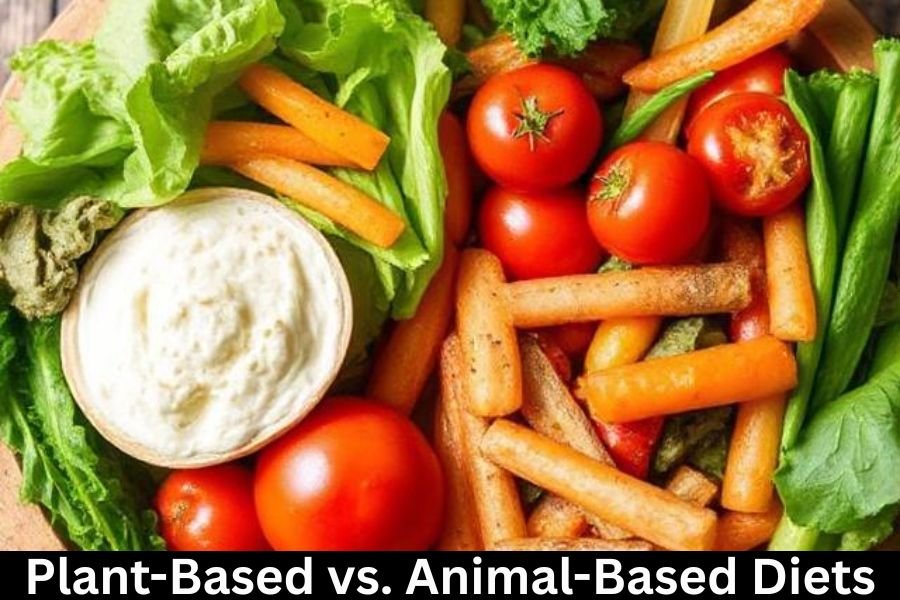
Choosing the right diet can feel overwhelming. Between conflicting articles, social media trends, and personal preferences, it’s easy to get lost. Two of the most debated approaches today are plant-based diets and animal-based diets. Each has its champions, health benefits, and drawbacks. But which one truly fits your lifestyle, health goals, and ethical beliefs? Let’s break it down.
What Is a Plant-Based Diet?
Definition and Types
A plant-based diet focuses primarily on foods derived from plants—fruits, vegetables, grains, legumes, nuts, and seeds. The approach can vary:
- Vegetarian: Excludes meat but may include dairy and eggs.
- Vegan: Eliminates all animal products.
- Flexitarian: Primarily plant-based but occasionally includes meat or fish.
Nutritional Profile
Plant-based diets are naturally rich in fiber, vitamins, and antioxidants. Common nutrients include:
- Protein: Lentils, beans, tofu, quinoa, nuts.
- Vitamins and Minerals: Folate, vitamin C, magnesium, potassium.
- Fiber: Helps digestion and supports gut health.
What Is an Animal-Based Diet?
Definition and Types
Animal-based diets include foods sourced from animals, such as meat, fish, eggs, and dairy. Popular variations include:
- Omnivorous Diet: Includes both plant and animal foods.
- Keto or Carnivore Diets: High in animal protein and fats, low in carbs.
Nutritional Profile
Animal-based diets are rich in protein and essential nutrients:
- Complete Proteins: Contain all essential amino acids.
- Healthy Fats and Micronutrients: Omega-3 fatty acids, vitamin B12, iron, and zinc.
- Potential Gaps: Lack of fiber and plant antioxidants if vegetables are limited.
Health Benefits of Plant-Based Diets
- Heart Health: Lowers cholesterol and blood pressure.
- Weight Management: High fiber content increases satiety.
- Reduced Chronic Disease Risk: Lower risk of diabetes, cancer, and hypertension.
- Digestive Health: Fiber nourishes gut microbiome.
Health Benefits of Animal-Based Diets
- Muscle Growth and Repair: Excellent source of complete protein.
- Satiety and Energy: Proteins and fats keep you fuller longer.
- Nutrient Density: Rich in vitamin B12, heme iron, and essential fatty acids.
Potential Risks of Plant-Based Diets
- Nutrient Deficiencies: B12, iron, zinc, calcium may require supplementation.
- Social and Practical Challenges: Eating out or traveling may be more complicated.
- Processed Foods Trap: Vegan junk food can be high in sugar and low in nutrients.
Potential Risks of Animal-Based Diets
- Heart Disease: High intake of red and processed meats may increase risk.
- Environmental Concerns: Meat production has a higher carbon footprint.
- Excess Saturated Fat: Can impact metabolism and cholesterol levels.
Environmental and Ethical Considerations
- Carbon Footprint: Plant-based diets are more eco-friendly.
- Sustainability: Reduced meat consumption benefits the planet.
- Animal Welfare: Ethical concerns influence many to choose plant-based options.
Choosing the Right Diet for You
- Health Goals: Weight loss, muscle gain, or disease prevention.
- Lifestyle Preferences: Cooking time, food accessibility, and budget.
- Flexibility: A mix of both, like a flexitarian approach, often works best.
Tips for a Balanced Plant-Based Diet
- Protein Planning: Include lentils, tofu, nuts, and seeds daily.
- Vitamin and Mineral Intake: Consider fortified foods or supplements.
- Whole Foods: Avoid overprocessed plant-based foods.
Tips for a Balanced Animal-Based Diet
- Choose Lean Meats: Poultry, fish, or lean cuts of beef.
- Include Vegetables: Ensure fiber and micronutrients.
- Limit Processed Foods: Reduce intake of bacon, sausage, and deli meats.
Role of Supplements
- Plant-Based: B12, omega-3, vitamin D.
- Animal-Based: Fish oil, vitamin D if sunlight exposure is low.
Common Myths
- Myth: Plant-based diets lack protein. Fact: Proper planning meets protein needs.
- Myth: All animal-based diets are unhealthy. Fact: Balanced intake is fine.
- Myth: Plant-based diets are automatically healthy. Fact: Processed vegan foods can be unhealthy.
Conclusion
Both plant-based and animal-based diets have their merits and challenges. The key is balance, personalization, and mindfulness. Your diet should support your health, energy, and ethical values. Whether you go fully plant-based, embrace animal-based nutrition, or mix both, focusing on nutrient-dense, whole foods is the ultimate goal.
FAQs
1. Can I get enough protein on a plant-based diet?
Yes, with legumes, tofu, tempeh, nuts, seeds, and grains.
2. Is an animal-based diet unhealthy?
Not necessarily. Moderation and nutrient balance matter.
3. Which diet is better for weight loss?
Both can work; plant-based diets often provide more fiber and lower calories.
4. Do plant-based diets require supplements?
Vitamin B12, omega-3, and vitamin D are often recommended.
5. Can I combine both diets?
Yes! A flexitarian approach offers flexibility and balance.








3 Comments